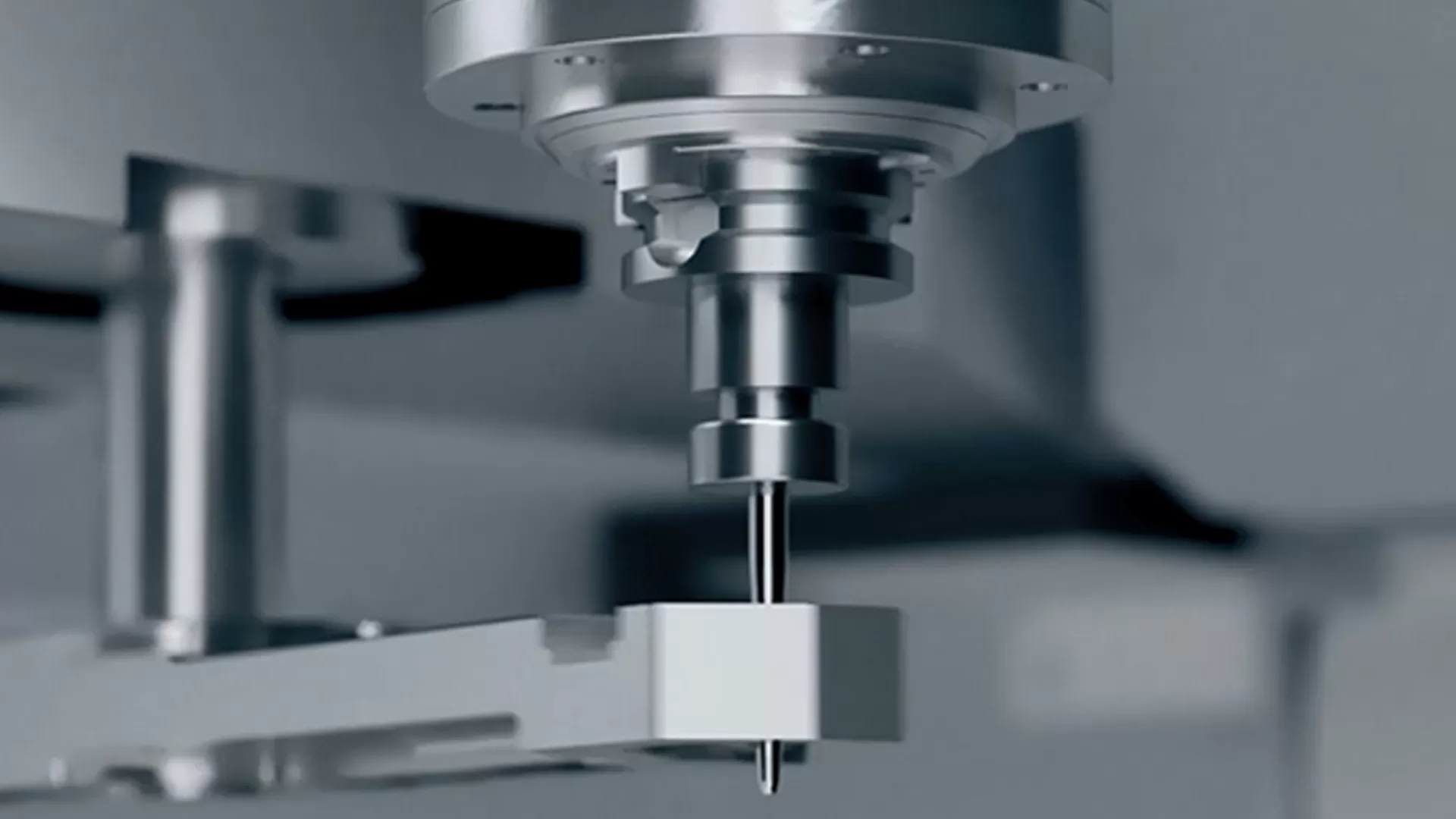
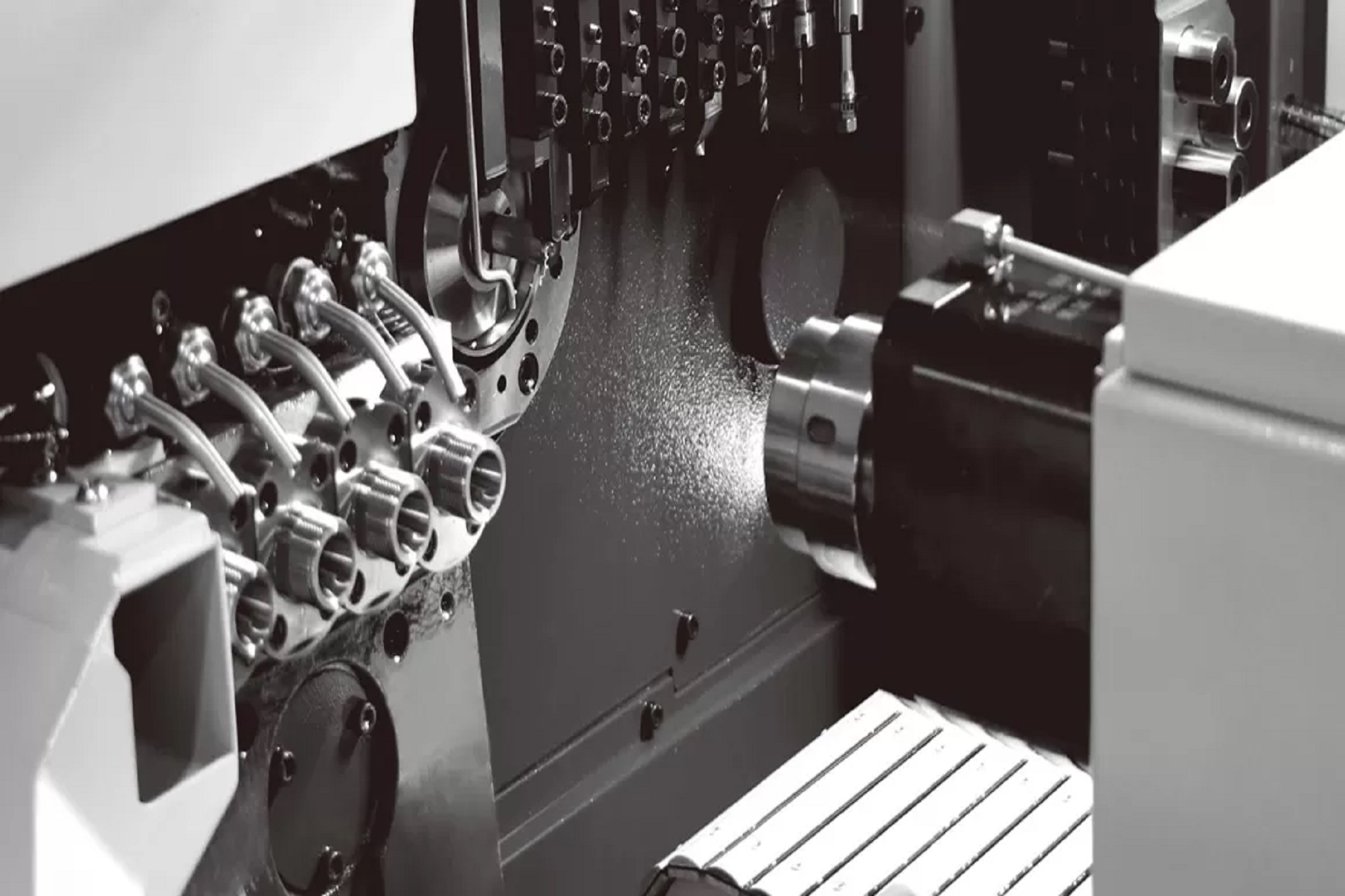
A lathe machine uses cutting tools to remove material from a rotating workpiece. Different tools are used for different machining operations, such as turning, facing, boring, grooving, threading, and parting.
So, what are the cutting tools on a lathe machine?
The answer depends on the machining operation. A turning tool is used to machine the outside diameter. A boring tool machines an existing hole. A threading tool creates internal or external threads. Other tools are used for grooves, end faces, profiles, and parting operations.
For CNC machining, choosing the right CNC lathe cutting tools is an important part of building a stable and efficient machining process.
What Is a Cutting Tool on a Lathe Machine?
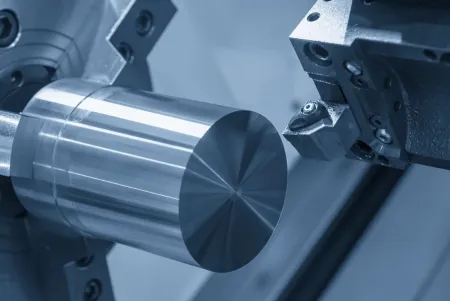
A lathe cutting tool is used to remove material from a workpiece during turning operations.
In a conventional lathe, the cutting tool is mounted on a tool post. In a CNC lathe, tools are commonly installed in a turret or tool holder. The CNC system controls the tool movement according to the machining program.
Each tool has a specific purpose. The tool geometry must match the machining operation and the required part geometry.
For this reason, there is no single cutting tool that is suitable for every lathe operation.
Main Types of Cutting Tools on a Lathe Machine
The most common lathe cutting tools can be grouped by their machining function.
1. Turning Tools
Turning tools are the most common cutting tools used on a lathe machine.
They are used to reduce the outside diameter of a workpiece. Turning tools can also machine shoulders, steps, tapers, and other external features.
Turning is generally divided into:
Rough turning
Finish turning
Profile turning
Rough turning removes a larger amount of material. Finish turning focuses on the final dimensions and surface finish.
For CNC turning, the correct tool geometry and insert selection are important for maintaining stable cutting performance.
2. Facing Tools
Facing tools are used to machine the end face of a workpiece.
During facing, the cutting tool moves across the end of the rotating workpiece. The goal is to create a flat surface that is perpendicular to the workpiece axis.
Facing is often one of the first operations in CNC turning. It can create a clean reference surface and help establish the required part length.
3. Boring Tools
Boring tools, also called boring bars, are used to machine an existing hole.
Drilling can create the initial hole, while boring can enlarge and finish the internal diameter. Boring is therefore widely used when the internal diameter requires controlled dimensions and surface quality.
Tool rigidity is important during boring. A long boring bar can be more sensitive to vibration and tool deflection.
For this reason, the boring tool must be selected according to the bore diameter, machining depth, and required accuracy.
4. Grooving Tools
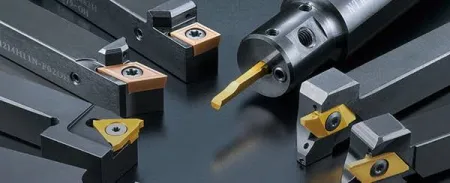
Grooving tools are used to create narrow grooves or recesses.
Depending on the tool and machine configuration, grooving can be performed on an external diameter, internal diameter, or face.
Common applications include:
External grooves
Internal grooves
Face grooves
Relief grooves
Functional recesses
Grooving tools are available in different widths and geometries. The tool should match the required groove size and profile.
5. Threading Tools
Threading tools are used to produce threads on a workpiece.
A CNC lathe can machine both external and internal threads. The threading tool must match the required thread profile.
During CNC threading, the spindle rotation and tool movement must remain synchronized. This allows the tool to follow the required thread pitch and produce a consistent thread.
Threading tools are widely used for shafts, fittings, connectors, fasteners, and other precision components.
6. Parting Tools
Parting tools, also called cut-off tools, are used to separate a finished part from the remaining stock.
The tool moves radially into the rotating workpiece until the part is cut off.
Parting is a demanding operation because the tool makes a deep and narrow cut. Tool rigidity, setup, and chip evacuation are therefore important.
A properly selected parting tool helps maintain stable cutting and reduce the risk of tool damage.
7. Profiling and Form Tools
Profiling tools are used to machine specific contours and complex external profiles.
They can produce features such as radii, tapers, and other shaped surfaces.
Form tools have a defined cutting profile. They can be useful when the same shape needs to be produced repeatedly.
The tool geometry should be selected according to the required part profile.
8. Drilling Tools
Drilling tools are used to create holes in a workpiece.
On a CNC lathe, drilling tools can be installed in the turret or other suitable tooling system, depending on the machine configuration.
Drilling is often followed by another operation. For example, a hole may be bored to improve its internal diameter or machined further for a specific feature.
Modern CNC turning centers can also combine turning with drilling and other operations when the machine is designed for these processes.

Lathe Cutting Tools and Their Applications
Different lathe cutting tools are designed for different machining tasks.
Cutting Tool | Main Application |
Turning tool | External diameter turning |
Facing tool | End-face machining |
Boring tool | Internal diameter machining |
Grooving tool | External, internal, or face grooves |
Threading tool | Internal and external threads |
Parting tool | Cutting off the finished part |
Profiling tool | Contours and complex profiles |
Drilling tool | Hole making |
This simple relationship is useful when selecting CNC lathe cutting tools.
However, tool selection should not be based on the operation alone. The workpiece material, part geometry, machining requirements, tool holder, and machine condition also need to be considered.
How to Choose the Right Lathe Cutting Tool
Choosing the right lathe cutting tool starts with the machining requirement.
Consider the Workpiece Material
Different workpiece materials have different machining characteristics. The cutting tool should be suitable for the material being processed.
Consider the Machining Operation
Turning, boring, grooving, threading, and parting require different tool geometries.
Using a tool designed for the specific operation can help improve machining stability and consistency.
Consider the Part Geometry
The shape of the workpiece also affects tool selection.
External diameters, internal bores, narrow grooves, shoulders, and complex profiles may require different tools.
Consider Machine Rigidity
Machine rigidity has a direct influence on machining stability.
A stable machine structure helps the cutting tool maintain a consistent cutting position. This is particularly important for demanding operations such as heavy turning, deep boring, and parting.
Consider Tool Setup
The tool holder, insert, tool position, and setup must work together correctly.
A good cutting tool cannot compensate for an unsuitable setup. Proper tool installation is essential for repeatable CNC machining.

Why Cutting Tools Matter in CNC Turning
Cutting tools are one part of the complete CNC machining system.
The final machining result depends on the interaction between the machine tool, cutting tool, workholding system, CNC control, cutting conditions, and workpiece.
This is why modern CNC lathes are designed as complete machining platforms rather than simply as machines that rotate a workpiece.
A stable CNC lathe provides the foundation for consistent tool movement and cutting performance. The right CNC lathe cutting tools then allow manufacturers to perform different machining operations efficiently.
For manufacturers, the goal is not simply to find the most advanced cutting tool. The goal is to build a stable machining process around the right machine and the right tooling.
Taikan Machine CNC Lathe Solutions
As a CNC machine tool manufacturer, Taikan Machine focuses on providing CNC machining solutions for a wide range of industrial applications.
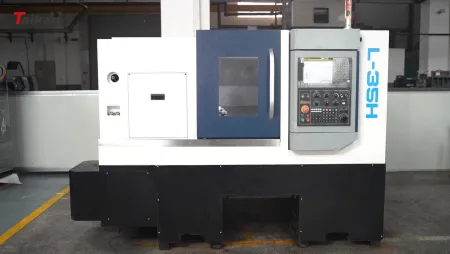
Different turning applications require different machine configurations. A standard CNC lathe can be well suited to parts that mainly require turning operations. More advanced turning centers can integrate additional machining processes when the application requires them.
The same principle applies to tooling.
The right combination of machine configuration and CNC lathe cutting tools helps manufacturers create a more efficient and consistent machining process.
Taikan Machine develops CNC machine tools with a focus on precision, rigidity, efficiency, and practical manufacturing requirements. This application-oriented approach allows customers to select the right machining solution for their specific production needs.
Conclusion
So, what are the cutting tools on a lathe machine?
The main types include:
Turning tools
Facing tools
Boring tools
Grooving tools
Threading tools
Parting tools
Profiling tools
Drilling tools
Each lathe cutting tool has a different purpose. The right tool depends on the machining operation, workpiece geometry, material, and production requirements.
For CNC machining, tool selection is only one part of the process. The machine, tooling, workholding, CNC control, and cutting conditions must work together to achieve stable and repeatable results.
With the right CNC lathe and cutting tools, manufacturers can build efficient machining processes for a wide range of precision components.
Frequently Asked Questions
What are the main cutting tools on a lathe machine?
The main cutting tools include turning tools, facing tools, boring tools, grooving tools, threading tools, parting tools, profiling tools, and drilling tools.
What is the most common cutting tool on a lathe?
The turning tool is one of the most commonly used lathe cutting tools. It is mainly used to machine the outside diameter of a rotating workpiece.
What tool is used for internal turning?
A boring tool or boring bar is commonly used for internal diameter machining. It can enlarge and finish an existing hole.
What tool is used for threading on a CNC lathe?
A threading tool is used to produce internal or external threads. The tool geometry must match the required thread profile.
What is a parting tool used for?
A parting tool is used to cut a finished component from the remaining stock. It is also known as a cut-off tool.
How do I choose the right CNC lathe cutting tool?
Start with the machining operation and workpiece geometry. Then consider the workpiece material, required dimensions, surface finish, tool geometry, machine rigidity, and tooling setup.
Why are CNC lathe cutting tools important?
The correct cutting tool helps support machining accuracy, surface quality, process stability, and efficient material removal. Tool selection should always be considered as part of the complete CNC machining process.
Wayne Zhao
Chief Technical Expert, Taikan Machine
A CNC expert with 10+ years of experience in control systems and machining.
Formerly with Siemens and FANUC, Wayne specializes in system commissioning, 5-axis programming, and integrated machining applications. He is dedicated to transforming technical expertise into actionable industry insights.

 Español
  português
  русский
  العربية
  Türkçe
  français
  Deutsch
  italiano
  ไทย
ไทย  tiếng việt
  Polska
  Malay
Malay  हिंदी
हिंदी  Indonesia
  ಕನ್ನಡ
ಕನ್ನಡ 

 Vertical Machining Center Drilling and Milling Machining Center Profile Machining Center Horizontal Machining Center 5-Axis Machining Center Gantry Machining Center CNC Lathe CNC Swiss-Type Automatic LatheS series Standard Edition with 3-Axis Linear Guide Rails H Series Advanced Edition with 3-Axis Linear Guide Rails M Series Excellent Rigidity T-V Series Light Cutting W Series Hub Machining L Series Two Rails and One Hard Rail T Series 3-Axis Hard Rail HDT Series High Precision Vertical Machining CenterB Series Drilling & Milling Machining Center S Series Drilling & Milling Machining Center SE Series Drilling & Milling Machining CenterT Series Moving Column Type & BT30 (Tilt-Disc Tool Magazine) V Series Moving Column Type & BT40 (Tilt-Disc Tool Magazine)HT-H11 Horizontal Machining Center HHQ5 High Rigidity Horizontal Machining Center HDH-63 Horizontal Machining Center HDH-100S Horizontal Machining CenterT-U Series 5-Axis Tapping Machining Center V-U Series Vertical 5-Axis Machining Center FH Series 5-Axis Milling and Turning Machining Center CX700-2000 Seven-axis Five-simultaneous Milling And Turning Machining CenterG-V Series 3-Axis Linear Guides G-VU Series 5-Axis Gantry Machining Center G-BU Series Bridge 5-Axis Gantry Machining Center