For manufacturers moving beyond 3-axis limitations, the 4-axis CNC milling machine delivers a decisive productivity edge. It adds rotary motion to linear X, Y, Z travel, enabling multi�face machining in a single setup—with fewer errors, shorter cycle times, and broader part geometry capability.
This guide cuts to the core: how 4-axis machining works, what it does, and why it matters for your shop floor.
What Is a 4-Axis CNC Milling Machine?
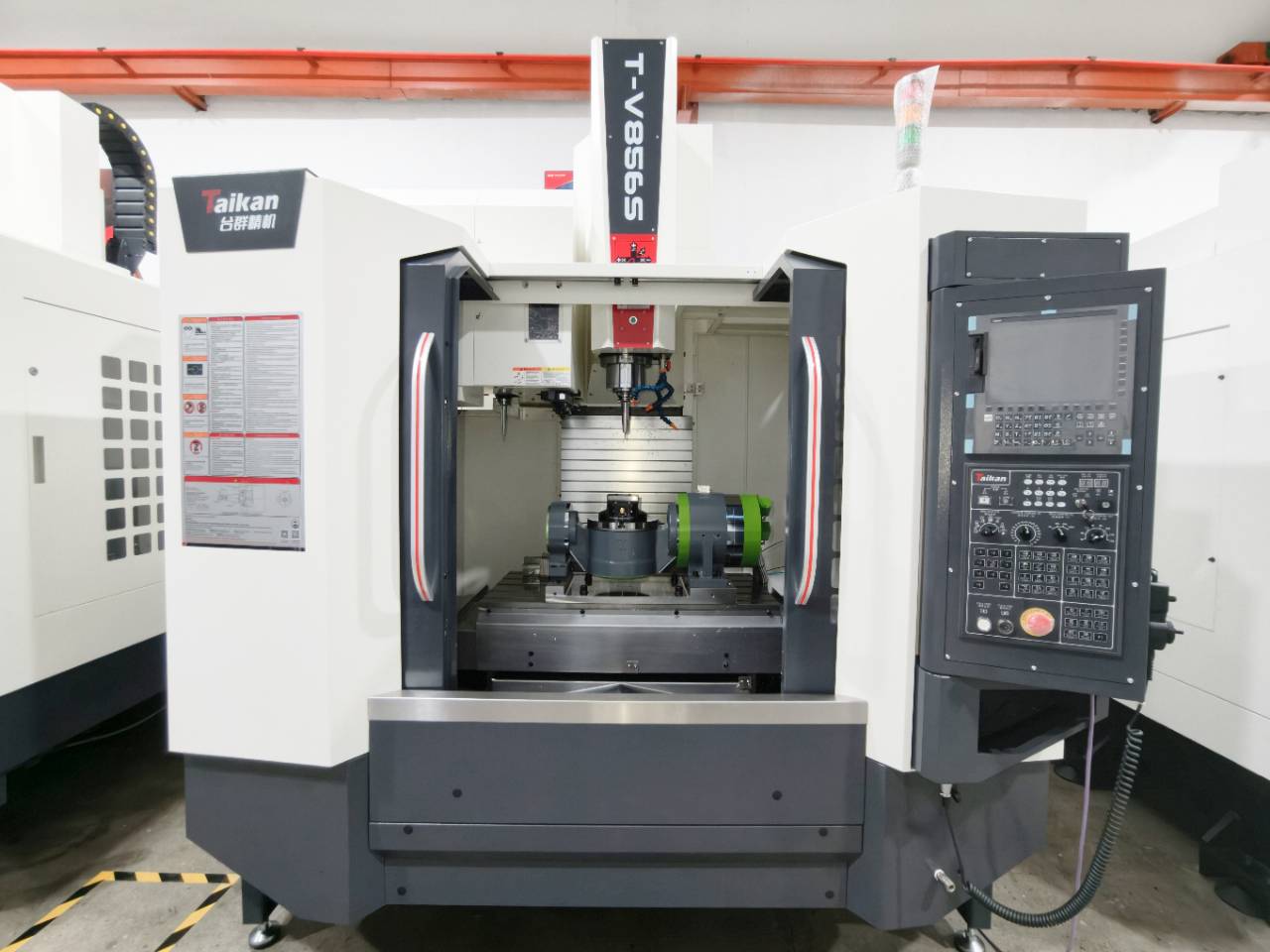
A 4-axis CNC milling machine is a computer-controlled machining center that operates along four axes of motion: the three linear axes (X, Y, and Z) plus one rotary axis. Compared with a 3 axis machining center, which mainly relies on three linear directions—left/right (X), front/back (Y), and up/down (Z)—a 4-axis machine adds rotational movement, typically around the X-axis (known as the A-axis).
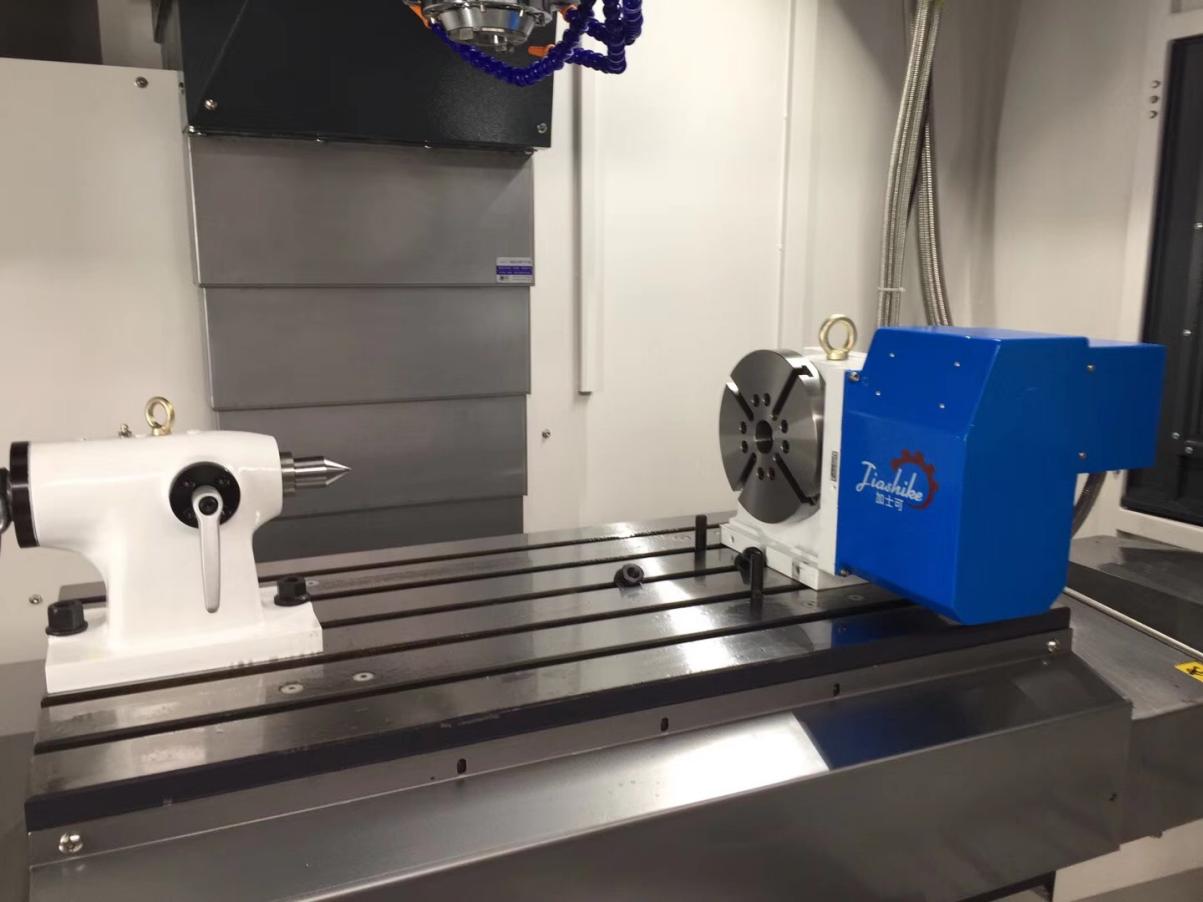
This fourth axis is usually implemented through a rotary table integrated into the machine bed or worktable. The rotary table can rotate the workpiece continuously or index it to precise angular positions, allowing the cutting tool to access multiple faces of the part in a single setup.
3-Axis vs. 4-Axis CNC Milling |
Aspect | 3-Axis CNC Mill | 4-Axis CNC Mill |
Workpiece position | Fixed / stationary | Rotates around the 4th axis (A-axis) |
Tool motion | Linear movement only (X, Y, Z) | Linear (X, Y, Z) + simultaneous/interpolated rotation |
Multi�face machining | Requires manual re-fixturing and re-indication | Automatic face changing via workpiece rotation – no manual intervention |
Accuracy impact | Cumulative errors from multiple setups | Single-setup machining eliminates positioning errors |
Typical setups needed | 5–6 setups for complex parts | 1–2 setups for the same part |
Labor & cycle time | High manual intervention, longer overall cycle | Reduced auxiliary time, significantly shorter throughput |
Key difference: 3-axis = linear only; 4-axis = linear + one rotation.
How Does a 4-Axis CNC Milling Machine Work?
1. Programming (CAD/CAM)
Engineers create a 3D model in CAD, then generate toolpaths in CAM software (Mastercam, Fusion 360, NX, etc.). The CAM outputs G-code – the machine’s instruction set for axis movements, spindle speeds, feed rates, and coolant.
2. Workholding
The workpiece is clamped onto the rotary table – using chucks, tombstones, or custom fixtures. Proper clamping must resist rotational forces while keeping tool access clear.
3. Machining Execution
The CNC control reads G-code line by line, driving servo motors on X, Y, Z, and A simultaneously.
Spindle rotates the cutting tool.
Linear axes position and cut.
The A-axis rotates the workpiece to the required orientation – either locked (indexed) or moving continuously (simultaneous).
4. Real-time Monitoring
Encoders and sensors provide closed-loop feedback on position and speed. Modern systems compensate for thermal drift and tool wear, maintaining micron-level accuracy throughout the cycle.
Two Operating Modes – Which One to Use?
Mode | Description | Best for |
Indexed (3+1) | The A-axis rotates to a set angle, locks mechanically, then X/Y/Z cuts. The axis indexes to the next angle, locks again, and repeats. | Drilling radial holes, cutting keyways, machining flat faces at various angles. Rigid locking allows heavy cuts. |
Continuous (Simultaneous) | The A-axis rotates while X/Y/Z are cutting – all axes interpolate in real time. | Helical grooves, spiral contours, cam profiles, curved surfaces. Produces smoother finishes and shorter cycles. |
Choose indexed for prismatic parts with discrete angled features; choose continuous for true 3D-curved geometry.
Core Components of a 4-Axis Machine
Machine bed – heavy ribbed cast iron or polymer concrete for vibration damping and thermal stability.
Linear axes – precision ground ball screws + linear roller guides driven by servo motors.
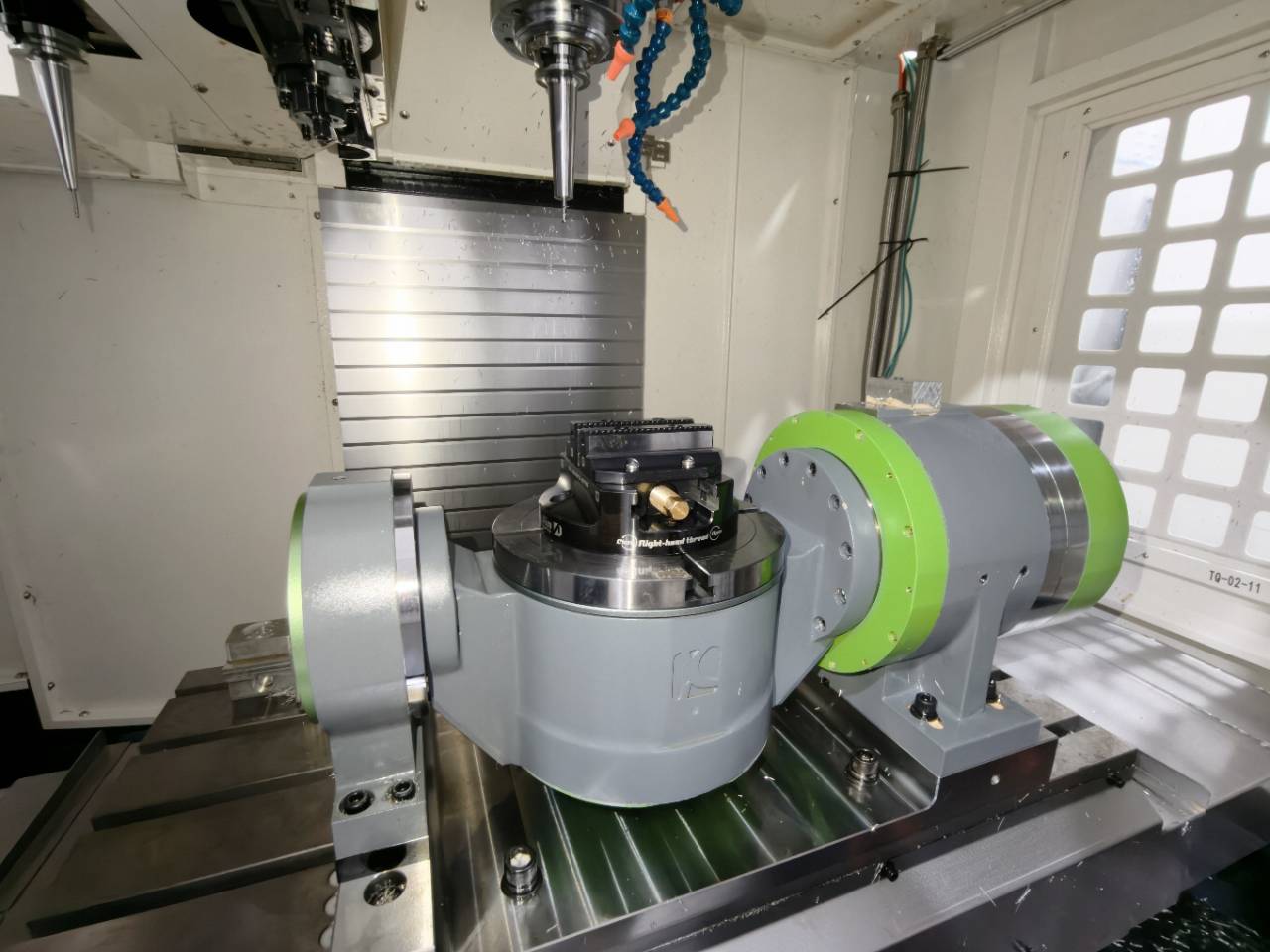
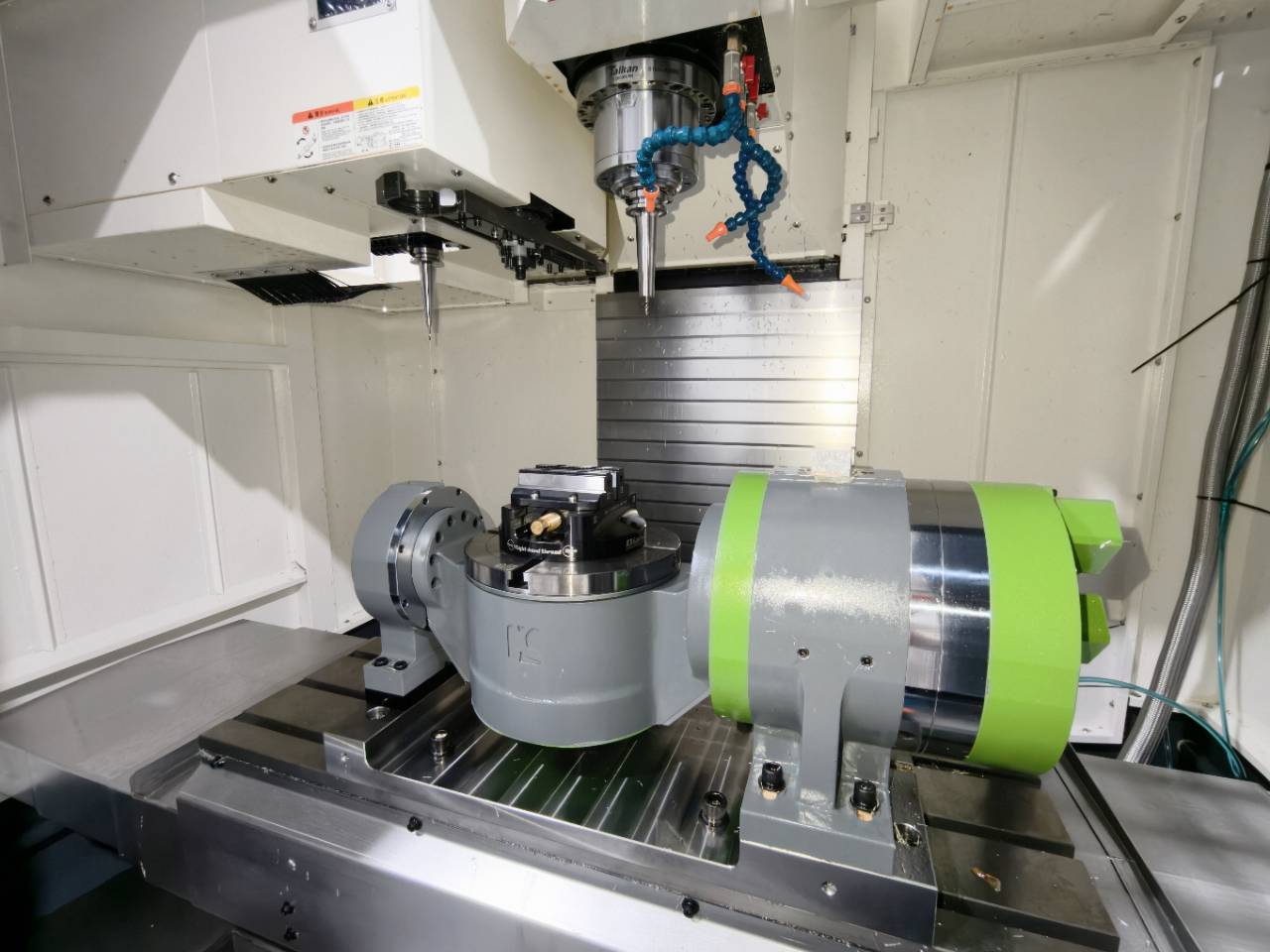
Rotary table – the 4th axis; key specs: positioning accuracy, clamping torque, max workpiece weight, and rotational speed.
Spindle – provides speed, torque, and rigidity for diverse materials.
CNC control – typically Fanuc, Mitsubishi, or Siemens; processes multi�axis interpolation and offers user�friendly interfaces.
The Advantages of 4-Axis CNC Machining
Why should your shop invest in 4-axis capability? The benefits extend far beyond simply adding another axis.
1. Fewer Setups, Greater Efficiency
Consolidating multiple 3-axis operations into a single 4-axis setup eliminates the time spent unclamping, repositioning, re-indicating, and re-probing the part. For medium-complexity components, what once required five or six setups can often be completed in just one or two. The result: dramatically reduced cycle times, lower labor costs, and faster throughput.
2. Superior Accuracy and Consistency
Every time you remove a part from a machine and reposition it, you introduce the potential for error. Fixturing inconsistencies, thermal changes, and operator variability all contribute to cumulative inaccuracies. By machining multiple features in a single setup, 4-axis machines help deliver thestable tolerance control expected from a high precision cnc milling machine, resulting in more consistent part quality.
3. Expanded Machining Capabilities
A 4-axis machine can produce features that are simply impossible on a 3-axis system: helical grooves, spiral contours, cam profiles, and complex angular features that don't align with any of the machine's primary axes.
4. Improved Surface Finish
By maintaining a more favorable tool-to-workpiece orientation, 4-axis machining can achieve smoother surface finishes. Continuous rotation eliminates the perpendicular tool paths that often leave visible step-over marks on 3-axis machined surfaces.
5. Reduced Labor Requirements
With fewer setups, less manual intervention, and the ability to run unattended for longer periods, 4-axis machines reduce the labor burden on skilled machinists—freeing them to focus on higher-value activities.
4-Axis Applications
4-axis CNC milling machines serve a diverse range of industries, from aerospace to automotive to medical device manufacturing.
Aerospace
Aerospace components demand exceptional precision and often feature complex geometries that benefit from multi-axis machining. Engine housings, structural brackets, and turbine components can all be produced more efficiently on 4-axis equipment.
Automotive
Engine blocks, transmission housings, suspension components, and other automotive parts with multiple faces and angled features are natural candidates for 4-axis machining. The ability to machine multiple sides in one setup reduces cycle times and improves dimensional consistency.
Mold and Die
Complex mold cavities often require machining on multiple faces and at various angles. 4-axis machining reduces setups and improves surface finish in these demanding applications.
Medical Devices
Orthopedic implants, surgical instruments, and other medical components require both precision and complex geometries—capabilities that 4-axis machining delivers consistently.
General Machinery and Electronics
From pump housings to electronic enclosures, any part with features on multiple faces or cylindrical surfaces can benefit from 4-axis machining.
Is 4-Axis Right for Your Operation?
While 4-axis machining offers compelling advantages, it's not the right solution for every application. Consider these questions when evaluating whether to invest in 4-axis capability:
Does your part require machining on multiple faces? If you're currently repositioning parts multiple times, 4-axis can streamline your workflow.
Does your part have cylindrical features, helical contours, or angular features? These are where 4-axis truly shines.
Are you struggling with accuracy issues from multiple setups? Fewer setups mean fewer opportunities for error.
Do you have the programming expertise? 4-axis programming requires more skill than 3-axis, though modern CAM software has made it increasingly accessible.
Is your production volume sufficient to justify the investment? For low-volume, simple parts, a 3-axis machine may be more economical.
Conclusion
The 4-axis CNC milling machine represents a strategic evolution in manufacturing capability—bridging the gap between the simplicity of 3-axis machining and the complexity of 5-axis systems. By adding rotational motion to the traditional linear axes, 4-axis machines enable fewer setups, greater accuracy, expanded capabilities, and higher throughput.
Understanding how a 4-axis CNC milling machine works is the first step toward leveraging its full potential. From the CAD/CAM programming that defines the toolpaths to the servo-driven axes that execute them with micron precision, every component works in harmony to transform digital designs into physical reality.
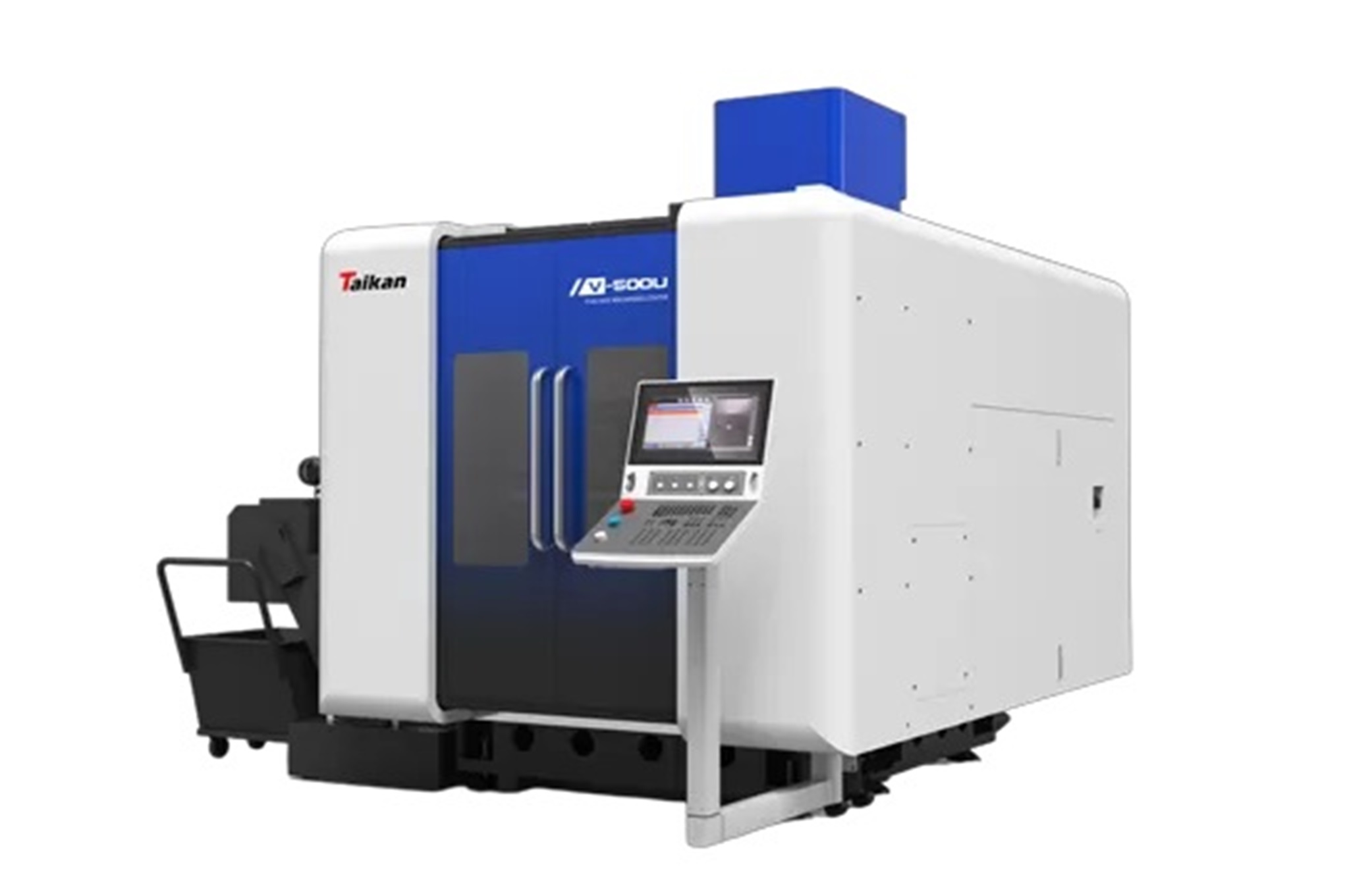
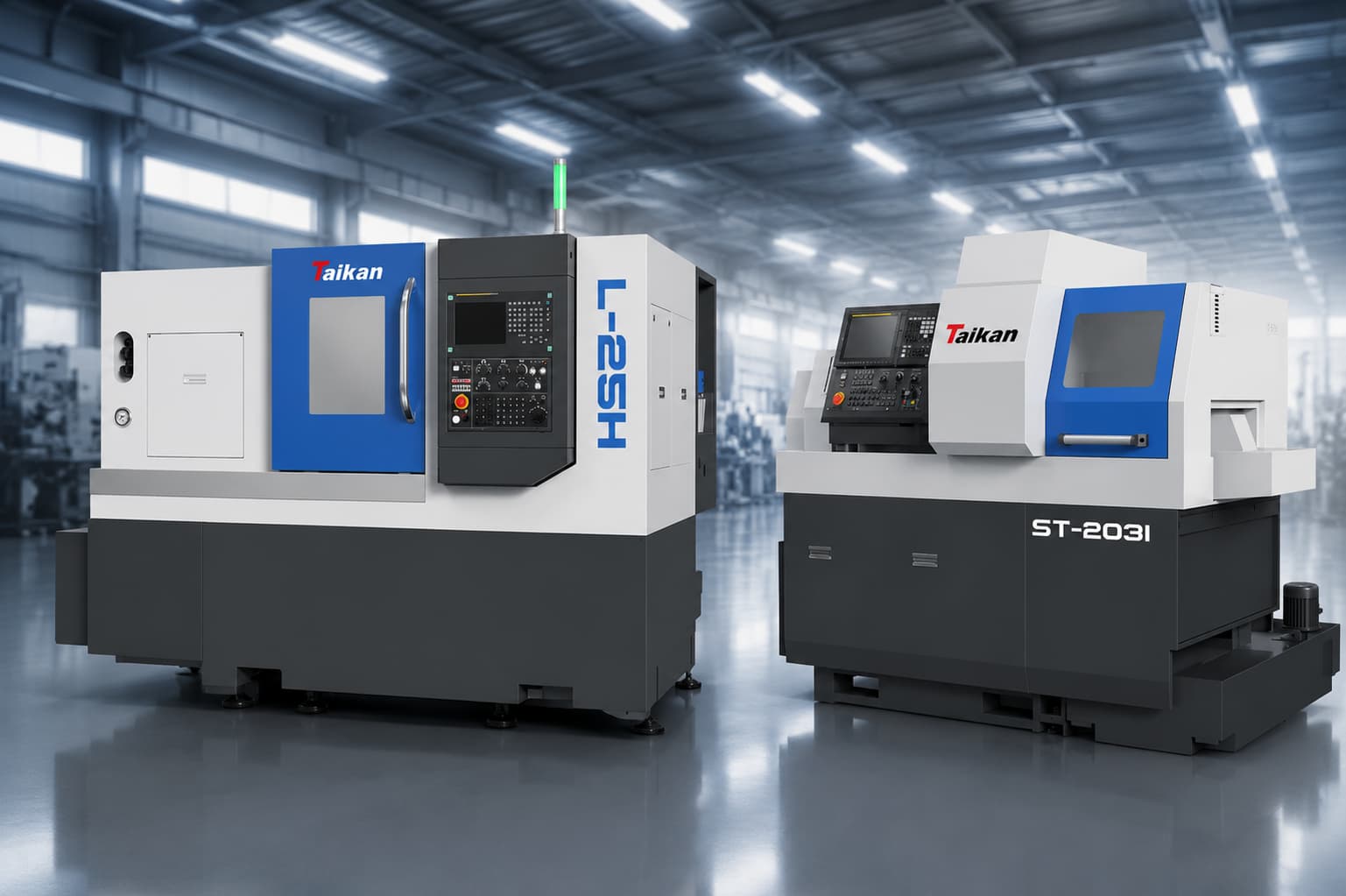
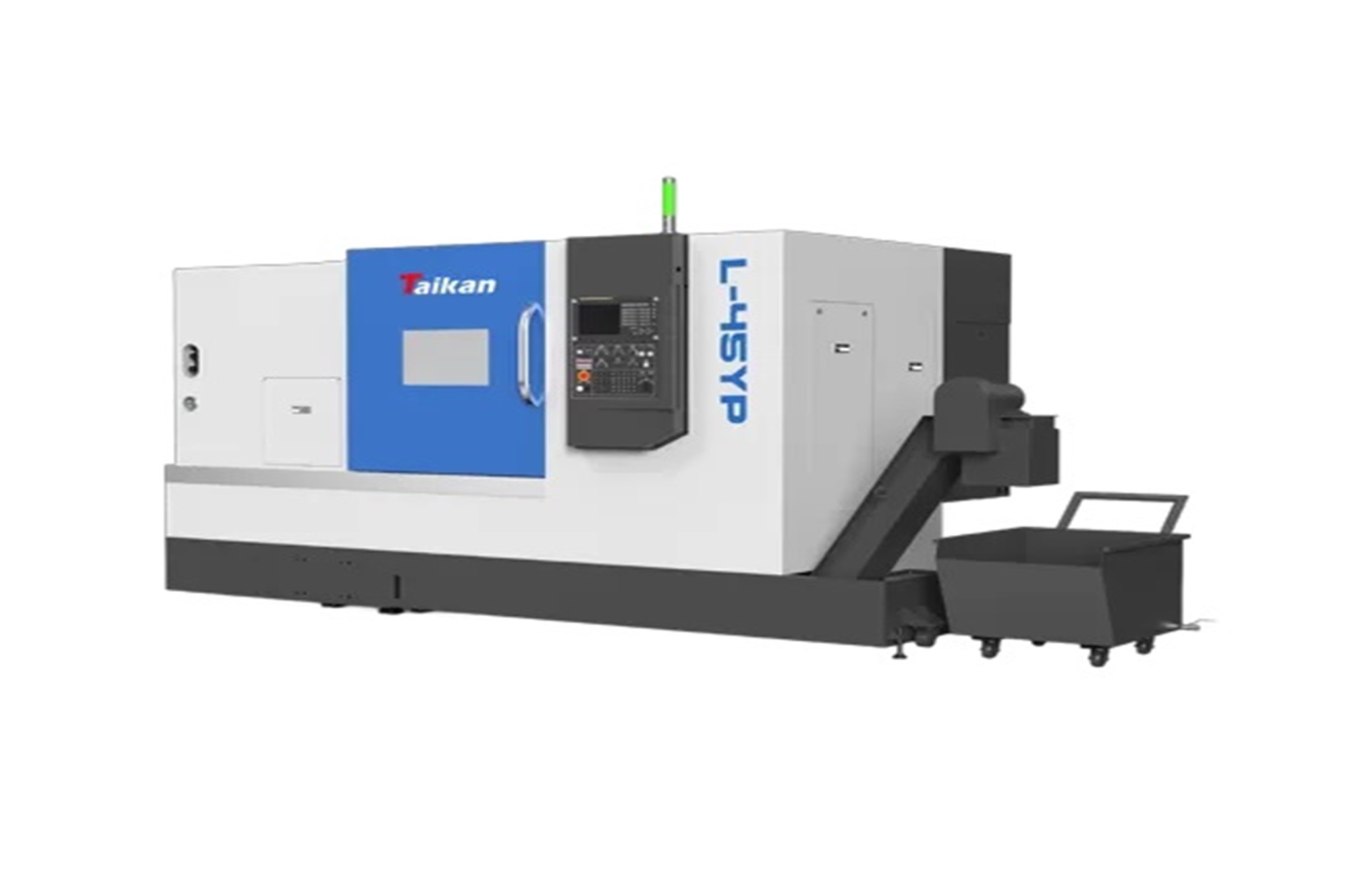
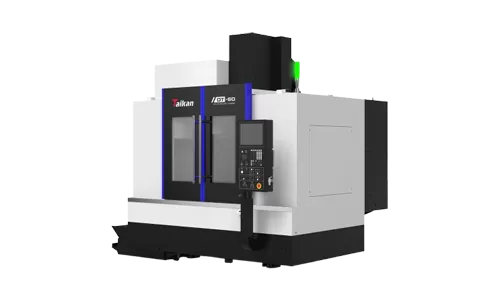
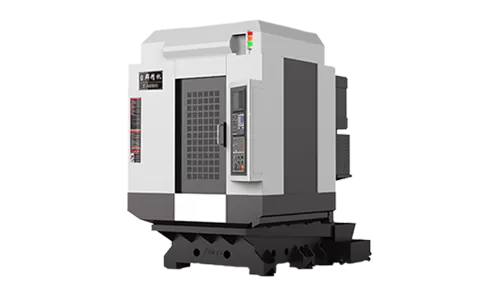
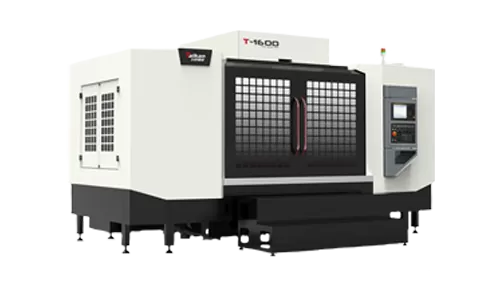
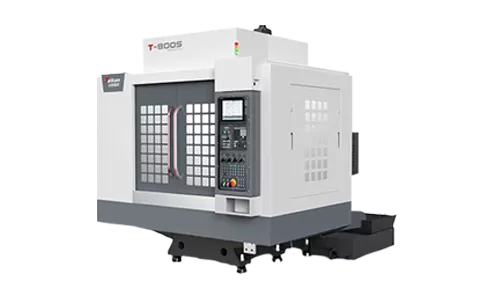
At Taikan Machine, we build 4-axis vertical machining centers that combine precision, rigidity, and reliability. With over 20 years of experience, 5 manufacturing bases, 700+ patents, and annual sales exceeding 30,000 units, Taikan is a publicly listed partner trusted by more than 20,000 enterprises worldwide.
FAQ
Q: 3-axis vs 4-axis – what’s the main difference?
A: 4-axis adds a rotary table (A-axis) so the workpiece rotates, allowing multi-face machining in one setup.
Q: What does “simultaneous 4-axis” mean?
A: The A-axis rotates during cutting while X/Y/Z move concurrently – used for complex curved surfaces.
Q: Is 3+1 the same as full 4-axis?
A: No – 3+1 indexes and locks the A-axis before cutting; full 4-axis keeps it moving during cutting.
Q: Can a 4-axis do 5-axis work?
A: No. 5-axis machining center adds a second rotation (B or C) for undercuts and free-form surfaces. 4-axis is the cost-effective middle ground.
Wayne Zhao
Chief Technical Expert, Taikan Machine
A CNC expert with 10+ years of experience in control systems and machining.
Formerly with Siemens and FANUC, Wayne specializes in system commissioning, 5-axis programming, and integrated machining applications. He is dedicated to transforming technical expertise into actionable industry insights.

 Español
  português
  русский
  العربية
  Türkçe
  français
  Deutsch
  italiano
  ไทย
ไทย  tiếng việt
  Polska
  Malay
Malay  हिंदी
हिंदी  Indonesia
  ಕನ್ನಡ
ಕನ್ನಡ 

 Vertical Machining Center Drilling and Milling Machining Center Profile Machining Center Horizontal Machining Center 5-Axis Machining Center Gantry Machining Center CNC Lathe CNC Swiss-Type Automatic LatheS series Standard Edition with 3-Axis Linear Guide Rails H Series Advanced Edition with 3-Axis Linear Guide Rails M Series Excellent Rigidity T-V Series Light Cutting W Series Hub Machining L Series Two Rails and One Hard Rail T Series 3-Axis Hard Rail HDT Series High Precision Vertical Machining CenterB Series Drilling & Milling Machining Center S Series Drilling & Milling Machining Center SE Series Drilling & Milling Machining CenterT Series Moving Column Type & BT30 (Tilt-Disc Tool Magazine) V Series Moving Column Type & BT40 (Tilt-Disc Tool Magazine)HT-H11 Horizontal Machining Center HHQ5 High Rigidity Horizontal Machining Center HDH-63 Horizontal Machining Center HDH-100S Horizontal Machining CenterT-U Series 5-Axis Tapping Machining Center V-U Series Vertical 5-Axis Machining Center FH Series 5-Axis Milling and Turning Machining Center CX700-2000 Seven-axis Five-simultaneous Milling And Turning Machining CenterG-V Series 3-Axis Linear Guides G-VU Series 5-Axis Gantry Machining Center G-BU Series Bridge 5-Axis Gantry Machining Center