3-Axis vs 4-Axis vs 5-Axis CNC Machines: Differences, Cost, Accuracy and Applications
Views: 0 Author: Site Editor Publish Time: 2026-08-13 Origin: Site
- 1. How 3-Axis, 4-Axis and 5-Axis CNC Machines Differ
- 2. Key Differences in Setup, Cost and Machining Capability
- 3. Does a Higher Axis Count Improve Accuracy and Reduce Cost?
- 4. Applications and CNC Machine Selection Guide
- 5. FAQ
- 5.1 Is a 5-axis CNC machine always more accurate than a 3-axis machine?
- 5.2 Can a 3-axis CNC machine be upgraded to four-axis machining?
- 5.3 What is the difference between 4-axis and 3+2 machining?
- 5.4 When is simultaneous five-axis machining necessary?
- 5.5 Which CNC machine has the lowest cost per part?
- 5.6 What information should be provided when requesting a CNC machine proposal?
A 3-axis CNC machine is usually the most practical choice for plates, housings, molds and other parts that can be completed from one main direction. A 4-axis CNC machine adds rotational positioning, allowing several sides of a component to be machined with fewer manual setups. A 5-axis CNC machine adds a second rotary axis, making it suitable for complex surfaces, deep cavities, angled features and parts that require access from multiple directions. The right choice is not automatically the machine with the most axes. Buyers should compare part geometry, annual production volume, required tolerances, setup time, programming capability and total cost per finished part. For many straightforward components, three-axis machining remains the most economical solution. Four-axis machining is often the best step up for multi-sided production, while a 5 axis machining center provides the greatest flexibility for complex, high-value workpieces.
How 3-Axis, 4-Axis and 5-Axis CNC Machines Differ
The number of axes describes the directions in which the cutting tool and workpiece can move relative to each other.
A 3 axis CNC machine moves along three linear directions:
X-axis: left and right movement
Y-axis: forward and backward movement
Z-axis: upward and downward movement
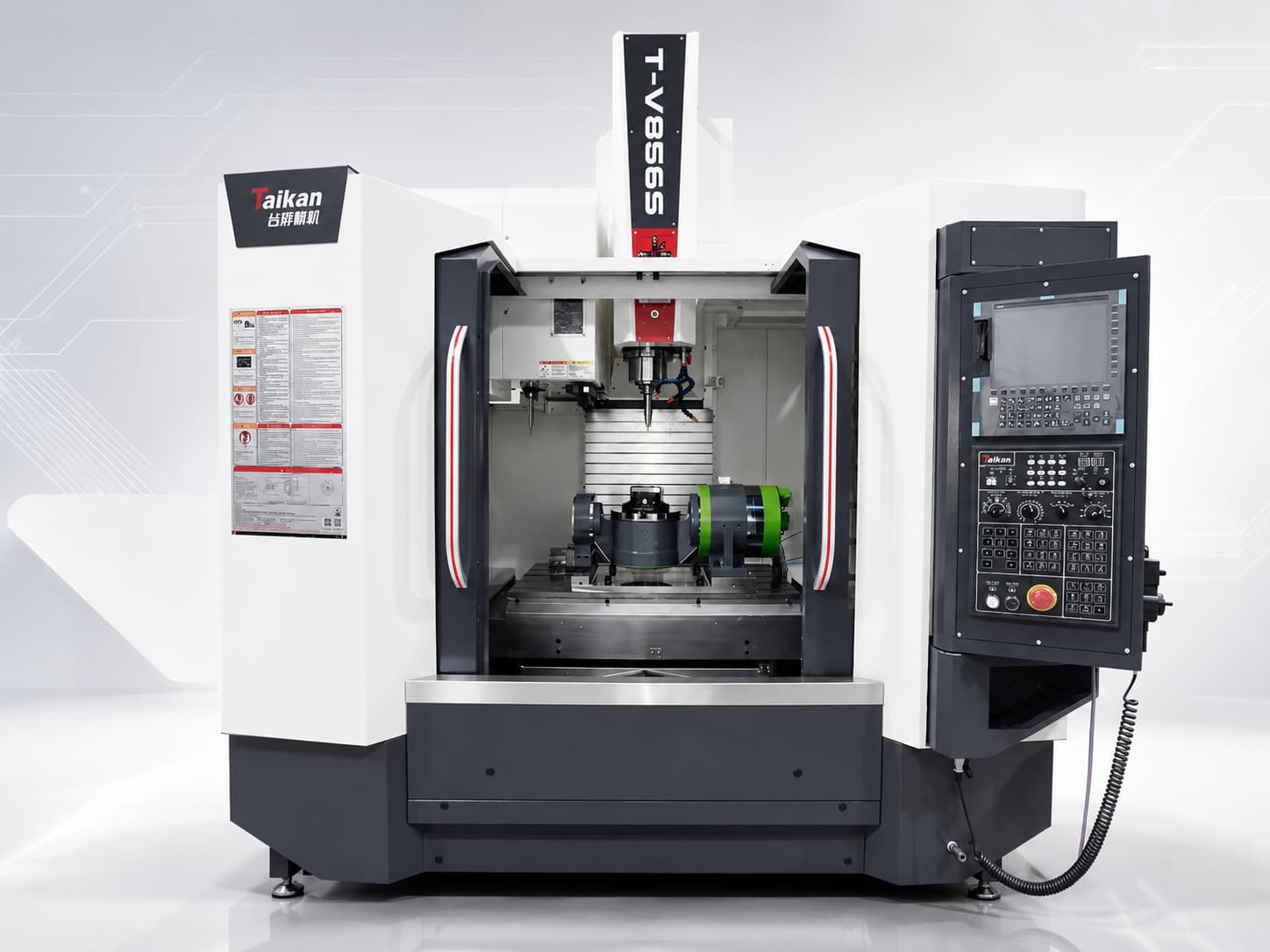
On a 3 axis cnc vertical machining center, the tool normally approaches the workpiece from one fixed direction. To machine another side, the operator must stop the cycle, reposition the part and establish the new work offset.
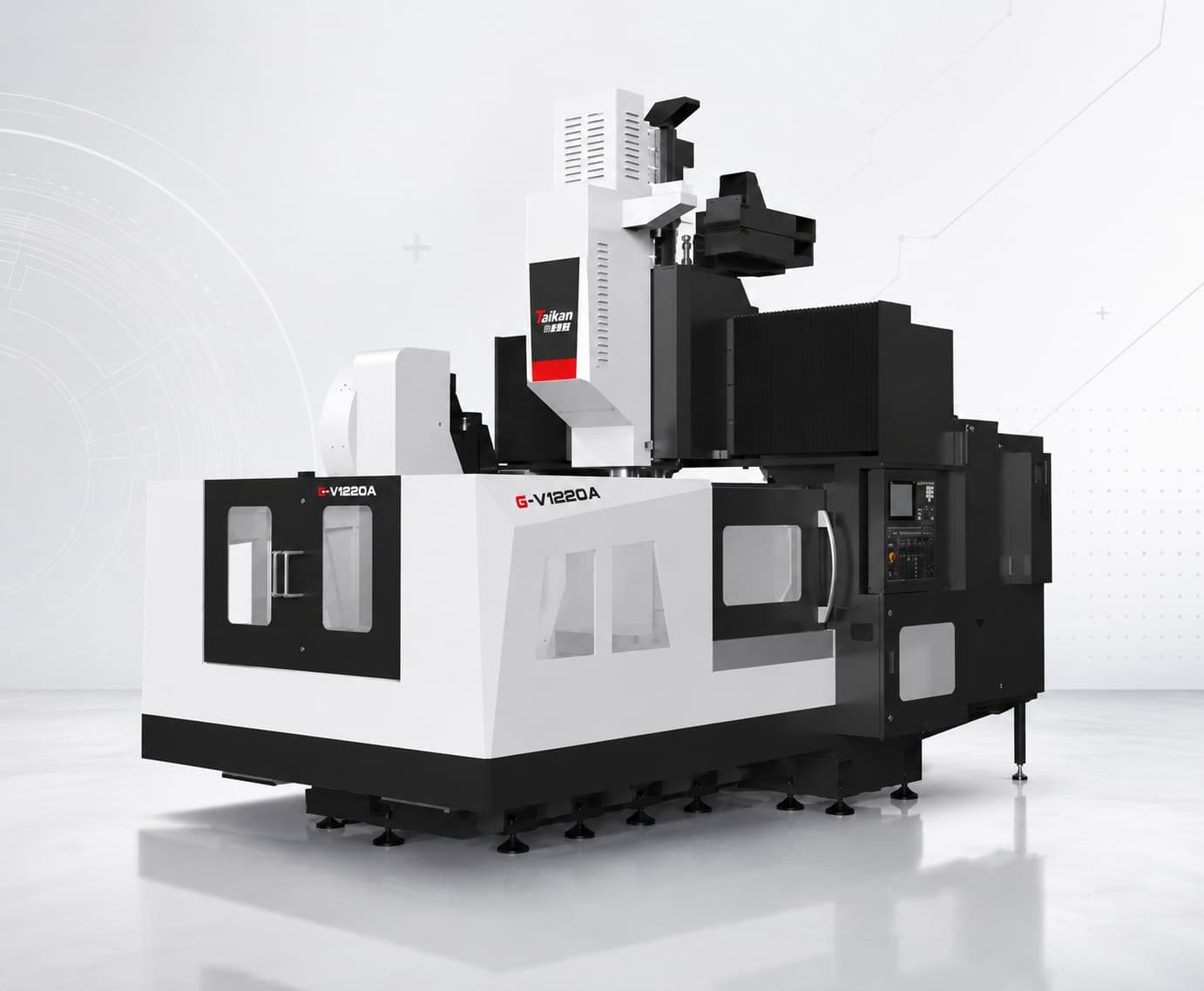
A 4 axis CNC machine uses the same X, Y and Z linear movements but adds one rotary axis, commonly identified as the A or B axis. The rotary movement may be used for indexing, in which the workpiece stops at a programmed angle before cutting, or for simultaneous machining, in which rotation continues during the cutting cycle. A five-axis machine combines three linear axes with two rotary axes. Depending on the machine design, the rotary movements may come from a tilting table, rotary table, swiveling spindle head or a combination of table and head movement.
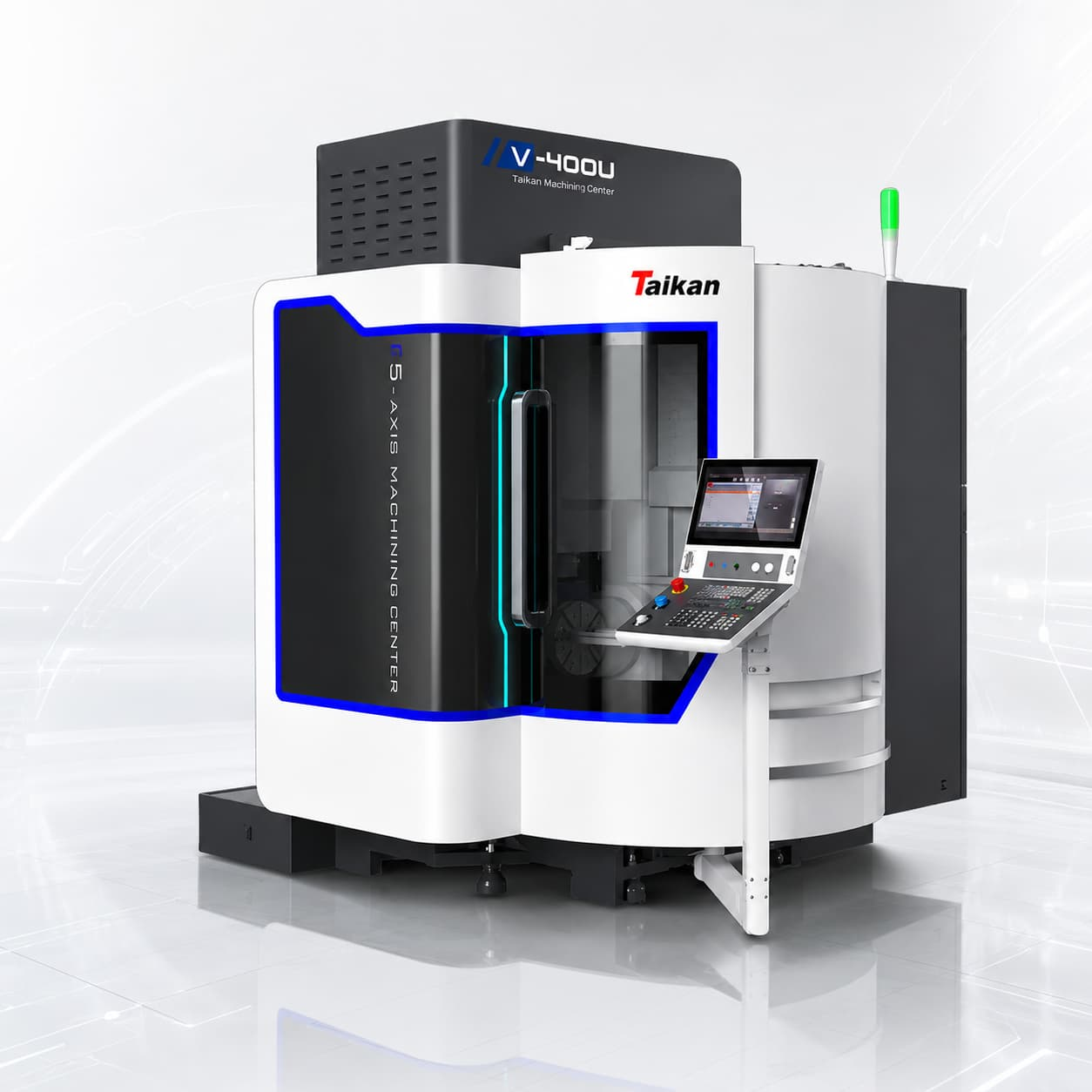
Five-axis operation can be divided into two common methods:
3+2 positional machining: The rotary axes position the part or tool at a fixed angle, after which cutting is completed using three linear axes.
Simultaneous five-axis machining: All five axes can move together while the tool follows a complex surface.
This distinction matters because not every component requiring angled machining needs continuous simultaneous movement. For drilled holes, pockets and planar surfaces at several angles, 3+2 machining may provide sufficient capability with simpler programming.
Key Differences in Setup, Cost and Machining Capability
| Comparison Factor | 3-Axis CNC Machine | 4-Axis CNC Machine | 5-Axis CNC Machine |
| Basic movement | X, Y and Z linear axes | X, Y and Z plus one rotary axis | X, Y and Z plus two rotary axes |
| Typical setup count | Multiple setups for different faces | Fewer setups for side features | Often one setup for five-sided machining |
| Part complexity | Low to moderate | Moderate | Moderate to highly complex |
| Programming difficulty | Lowest | Medium | Highest |
| Fixture requirements | Simple and widely available | Rotary-axis fixture required | Specialized workholding may be required |
| Initial machine investment | Lowest | Medium | Highest |
| Operator skill requirement | Basic to intermediate | Intermediate | Advanced |
| Best suited for | Plates, molds, brackets and housings | Cylindrical parts and multi-sided components | Impellers, aerospace parts and complex molds |
| Production advantage | Low operating cost | Reduced repositioning | Maximum access and process consolidation |
A conventional 3 axis CNC machine is usually sufficient when most features are located on one face or can be reached through simple repositioning. Common examples include mounting plates, mold inserts, machine bases, electronic housings and general mechanical components. Four-axis machining becomes valuable when parts contain repeated features around a circumference or require machining on several sides. Typical workpieces include valve bodies, shafts, turbine housings, automotive components and parts with radial holes. A horizontal machining center with a rotary B-axis can also support multi-face machining and efficient production of box-type components. A 5 axis machining center is most useful when tool orientation must change continuously or when difficult-to-reach surfaces would otherwise require several fixtures. Typical applications include turbine blades, impellers, medical implants, precision molds, aerospace structural parts and complex automotive components.
Does a Higher Axis Count Improve Accuracy and Reduce Cost?
More axes do not automatically guarantee better accuracy. Machine structure, spindle condition, rotary-axis calibration, thermal stability, toolholding, probing, cutting parameters and operator experience all affect the final result. However, additional axes can improve process accuracy by reducing the number of setups. Every time a workpiece is removed, rotated and reclamped, there is a possibility of introducing datum error, fixture variation or alignment error. Completing more operations in one clamping helps maintain the relationship between holes, surfaces and contours. For example, a housing machined on a three-axis machine may require three or four separate setups. A four-axis configuration may reduce this to one or two setups, while five-axis machining may complete most accessible features in a single cycle.
When evaluating a cnc machining center, machine price is only one part of the cost calculation. Buyers should also evaluate:
Rotary tables, fixtures and workholding systems
CAM software and machine post-processors
Cutting tools and toolholders
Operator and programmer training
Inspection and probing equipment
Setup time and non-cutting time
Scrap risk for high-value materials
Maintenance and calibration requirements
A three-axis machine normally has the lowest purchase price and the simplest maintenance requirements. It can therefore produce the lowest cost per part for straightforward workpieces. A four-axis solution costs more but may reduce labor and setup time substantially. For repeat production involving several component faces, this reduction can justify the additional investment. A five-axis machine has the highest initial cost, but it can be more economical for complex parts. Shorter tools may be used because the spindle or workpiece can be tilted toward the cutting area. Shorter tool overhang generally improves rigidity and can support better surface finish, more stable cutting and longer tool life. The correct comparison is therefore not machine price alone, but total manufacturing cost per accepted part.
Applications and CNC Machine Selection Guide
The following table provides a practical starting point for machine selection.
| Production Requirement | Recommended Configuration | Main Reason |
| Flat plates, simple pockets and drilling | 3-axis | Lowest investment and simple programming |
| Mold inserts with accessible vertical surfaces | 3-axis | Adequate capability without unnecessary complexity |
| Features located on four sides of a part | 4-axis | Reduces manual repositioning |
| Holes distributed around a cylindrical component | 4-axis | Rotary positioning improves efficiency |
| Multi-face machining of box-type components | 4-axis HMC | Good access, chip removal and production efficiency |
| Angled holes and surfaces at fixed orientations | 3+2 five-axis | Fewer setups without continuous five-axis cutting |
| Impellers, blades and sculptured surfaces | Simultaneous five-axis | Continuous control of tool orientation |
| Large aerospace structures or oversized molds | Five-axis gantry | Large travel combined with multi-angle access |
| High-mix, low-volume complex components | Five-axis | Greater flexibility and process consolidation |
Before selecting a machine, manufacturers should review actual part drawings rather than relying only on industry labels. Two companies producing automotive parts may need completely different machines because their component sizes, materials, tolerances and production volumes differ.
A practical evaluation should answer five questions:
How many sides of the workpiece require machining?
Are there undercuts, angled holes or curved surfaces?
How many setups are currently required?
What is the acceptable cycle time per part?
Does the factory have suitable CAM, programming and inspection capability?
For small and medium-sized general components, Taikan’s vertical machining center range provides multiple three-axis configurations for different travel, rigidity and spindle requirements. Large molds, structural parts and oversized workpieces may be better matched to a gantry machining center. For components requiring rotary positioning, buyers should determine whether an added rotary table on a vertical machine or an integrated horizontal configuration is more suitable. When the workpiece requires five-sided access, inclined machining or continuous surface control, a dedicated 5 axis cnc machining center is generally the more capable long-term solution.
The final machine configuration should be based on representative drawings, workpiece dimensions, material, tolerance, surface-finish requirements, expected annual volume and available factory space. Providing this information allows the machine supplier to evaluate axis travel, table size, spindle speed, torque, tool capacity and automation options more accurately.
FAQ
Is a 5-axis CNC machine always more accurate than a 3-axis machine?
No. A well-maintained three-axis machine can produce highly accurate components. Five-axis machining mainly improves access and reduces reclamping. Its accuracy advantage is strongest when fewer setups help prevent accumulated positioning and datum errors.
Can a 3-axis CNC machine be upgraded to four-axis machining?
Many vertical machining centers can be equipped with a compatible rotary table, control interface and fourth-axis drive. Before upgrading, users should check table load, available working space, controller capacity, cable arrangement and whether the remaining axis travel is sufficient.
What is the difference between 4-axis and 3+2 machining?
A four-axis machine has one rotary axis in addition to X, Y and Z. A 3+2 machine has two rotary axes that position the tool or workpiece at a fixed angle before three-axis cutting begins. The second rotary axis provides access to more orientations.
When is simultaneous five-axis machining necessary?
It is necessary when the tool orientation must change continuously while cutting, such as when machining impellers, turbine blades, complex aerospace surfaces and certain precision molds. Parts containing only fixed-angle features may be completed effectively with 3+2 machining.
Which CNC machine has the lowest cost per part?
There is no universal answer. Three-axis machining generally has the lowest equipment cost, but repeated setups can increase labor and cycle time. Four-axis or five-axis machining may achieve a lower cost per finished part when they eliminate fixtures, reduce handling and consolidate several operations.
What information should be provided when requesting a CNC machine proposal?
Provide representative part drawings, maximum workpiece dimensions, material, tolerance, surface-finish requirements, expected production volume, current machining process and preferred CNC control. These details help determine the required axis travel, spindle, table, tool magazine and automation configuration. For a reliable selection, manufacturers should begin with the part and production process rather than choosing a machine solely by axis count. Taikan can evaluate sample drawings and recommend a suitable three-axis, four-axis or five-axis machining configuration based on machining access, precision requirements and production targets.


