CNC Lathe Machine Price Guide: Machine Size, Spindle, Turret, Automation and Total Cost
Views: 0 Author: Site Editor Publish Time: 2026-08-04 Origin: Site
- 1. How Much Does a CNC Lathe Machine Cost?
- 2. What Factors Affect CNC Lathe Machine Price?
- 2.1 How Does Machine Size Influence CNC Lathe Cost?
- 2.2 Why Does Spindle Configuration Affect CNC Lathe Price?
- 2.3 How Does Turret Type Change Machine Cost?
- 3. How Does Automation Affect CNC Machine Lathe Price?
- 4. What Additional Costs Should Be Considered Besides Machine Price?
- 5. How to Choose the Right CNC Lathe Machine for Your Budget?
- 6. Conclusion
- 7. CNC Lathe Machine Selection Table
- 8. FAQ
- 8.1 What is the average CNC lathe machine price?
- 8.2 Why do CNC lathes with similar sizes have different prices?
- 8.3 Is a more expensive CNC lathe always better?
- 8.4 How can I reduce CNC lathe machine cost?
- 8.5 What should I check before purchasing a CNC lathe?
The CNC lathe machine price usually ranges from several thousand dollars for basic models to tens of thousands or even higher for advanced industrial CNC turning centers. The final CNC lathe machine cost depends on multiple factors, including machine size, spindle performance, turret configuration, automation level, accuracy requirements, and additional equipment. For manufacturers, choosing the right CNC lathe is not only about the initial purchase price but also about production efficiency, maintenance costs, and long-term return on investment. A CNC lathe machine is a precision machining system that rotates a workpiece while cutting tools remove material according to programmed instructions. Different industries require different machine configurations, which is why two CNC lathes with similar appearances may have very different prices. For buyers comparing CNC machine lathe price options, understanding the factors behind the cost can help avoid overpaying for unnecessary features or selecting a machine that cannot meet production requirements.
How Much Does a CNC Lathe Machine Cost?
The price of a CNC lathe varies significantly depending on the machine type, machining capability, and automation requirements. A simple CNC lathe designed for basic turning operations may have a lower investment cost, while high-performance turning centers with multi-axis functions require a larger budget.
Typical price ranges include:
| CNC Lathe Type | Typical Price Range | Suitable Applications |
| Entry-level CNC Lathe | Several thousand to around $20,000 | Small workshops, basic turning operations |
| Standard CNC Turning Machine | Around $20,000–$80,000 | Automotive parts, machinery components, general manufacturing |
| High-performance CNC Turning Center | $80,000+ | Complex parts, high-volume production, precision industries |
| Automated CNC Lathe Production Line | Higher investment depending on configuration | Mass production and unmanned machining |
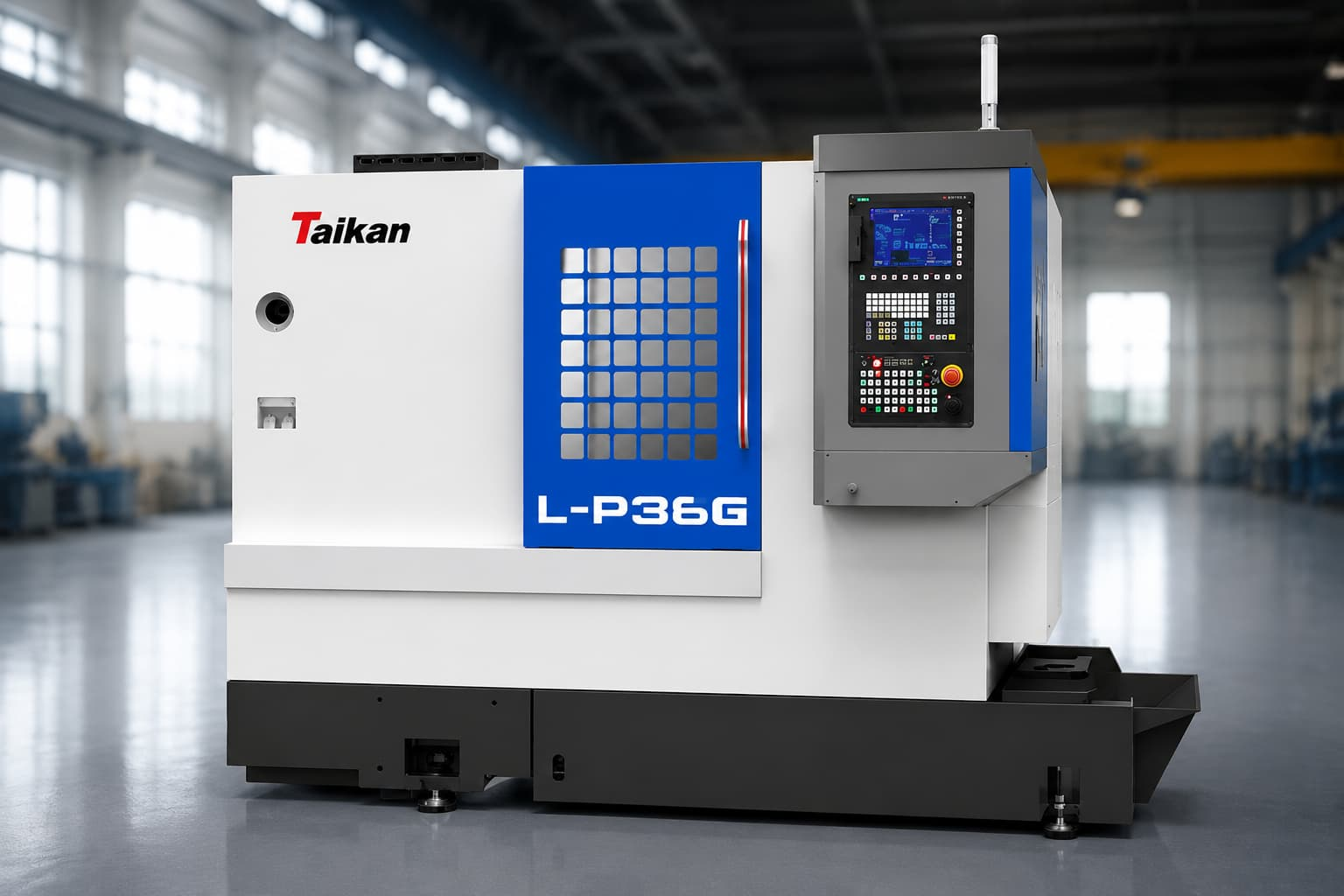
The actual CNC lathe price can change based on machine specifications. For example, a compact CNC lathe with a smaller spindle bore may be suitable for small components, while a heavy-duty machine with a larger chuck size and stronger spindle is designed for larger shafts and industrial parts.
What Factors Affect CNC Lathe Machine Price?
The cost of a CNC lathe machine is determined by the combination of mechanical structure, machining capability, control system, and production requirements.
How Does Machine Size Influence CNC Lathe Cost?
Machine size is one of the most important factors affecting pricing. Larger CNC lathe machine models require stronger structures, higher-power drive systems, and more advanced components to maintain machining stability.
Key size-related factors include:
Maximum turning diameter
Maximum machining length
Bed structure and rigidity
Workpiece weight capacity
Chuck size
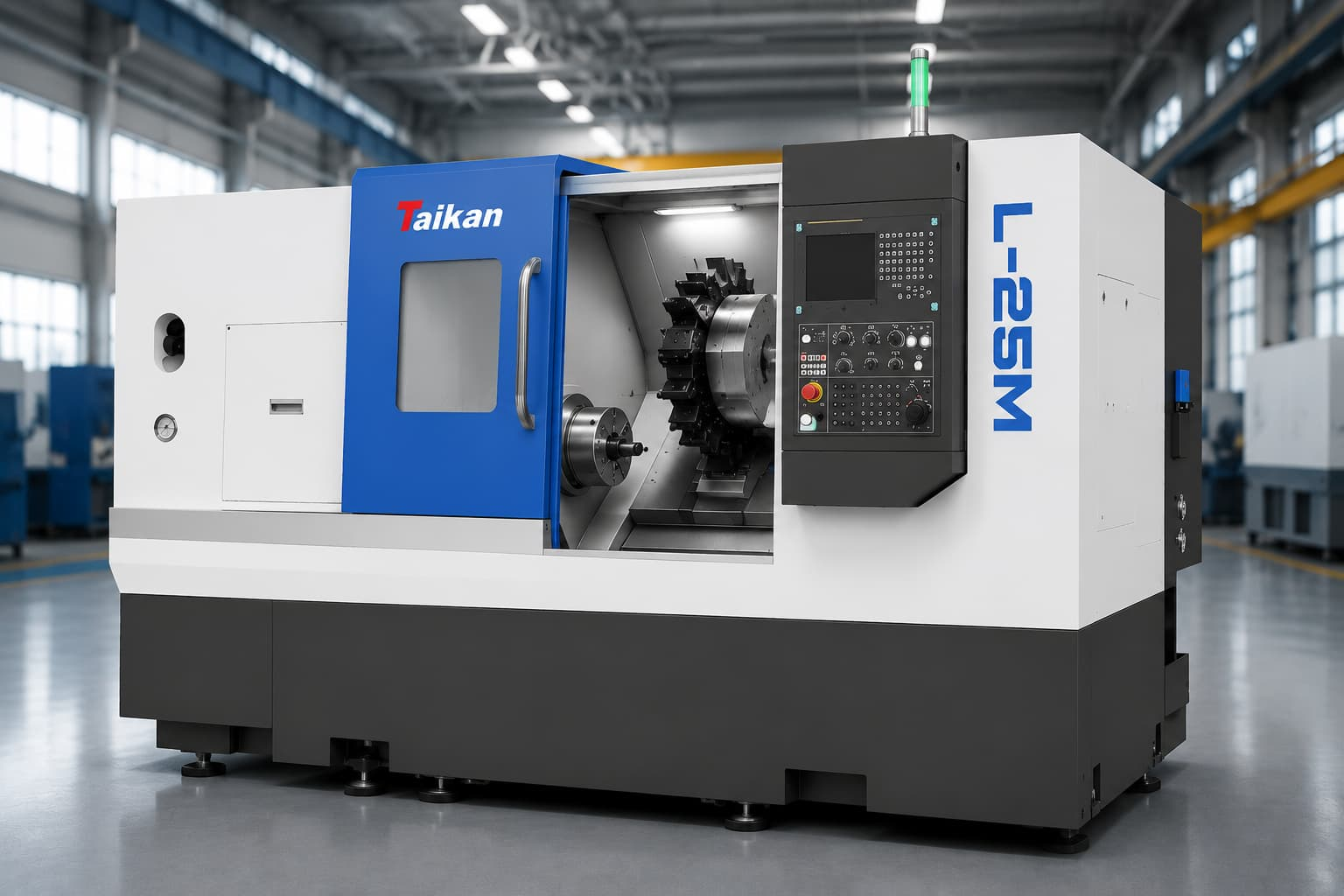
A small CNC lathe may be sufficient for precision components such as connectors, shafts, and small mechanical parts. However, industries producing large molds, automotive components, or heavy machinery parts often require larger machines with reinforced structures, such as a horizontal lathe designed for stable machining of larger workpieces.
A heavier machine frame generally improves vibration control and machining accuracy, but it also increases manufacturing cost. For companies looking for a reliable solution for precision turning applications, Taikan provides different CNC machining solutions, including advanced CNC lathe machine options designed for various production requirements.
Why Does Spindle Configuration Affect CNC Lathe Price?
The spindle is a core component that directly influences machining speed, accuracy, and material capability. Different spindle configurations can significantly change the final machine investment.
Important spindle factors include:
| Spindle Factor | Influence on Cost |
| Spindle speed | Higher speed supports faster machining but requires better components |
| Motor power | Higher power enables cutting harder materials |
| Spindle bore size | Larger bore supports larger workpieces |
| Cooling system | Advanced cooling improves stability during long machining cycles |
For example, a CNC lathe used for aluminum parts may not require the same spindle performance as a machine processing hardened steel or aerospace materials. Choosing a spindle configuration based on actual production needs is an effective way to control CNC lathe machine cost without sacrificing machining performance.
How Does Turret Type Change Machine Cost?
The turret determines how many tools can be installed and how efficiently the machine can complete different operations.
Common turret configurations include:
| Turret Type | Features | Cost Impact |
| Basic Tool Turret | Suitable for standard turning | Lower cost |
| Multi-position Turret | Supports more tools and reduces setup time | Medium investment |
| Powered Turret | Enables milling and drilling operations | Higher cost |
A powered turret allows CNC lathes to perform more complex operations without transferring parts to another machine. Although this increases the initial CNC lathe price, it may reduce labor costs and improve production efficiency for manufacturers producing complex components.
How Does Automation Affect CNC Machine Lathe Price?
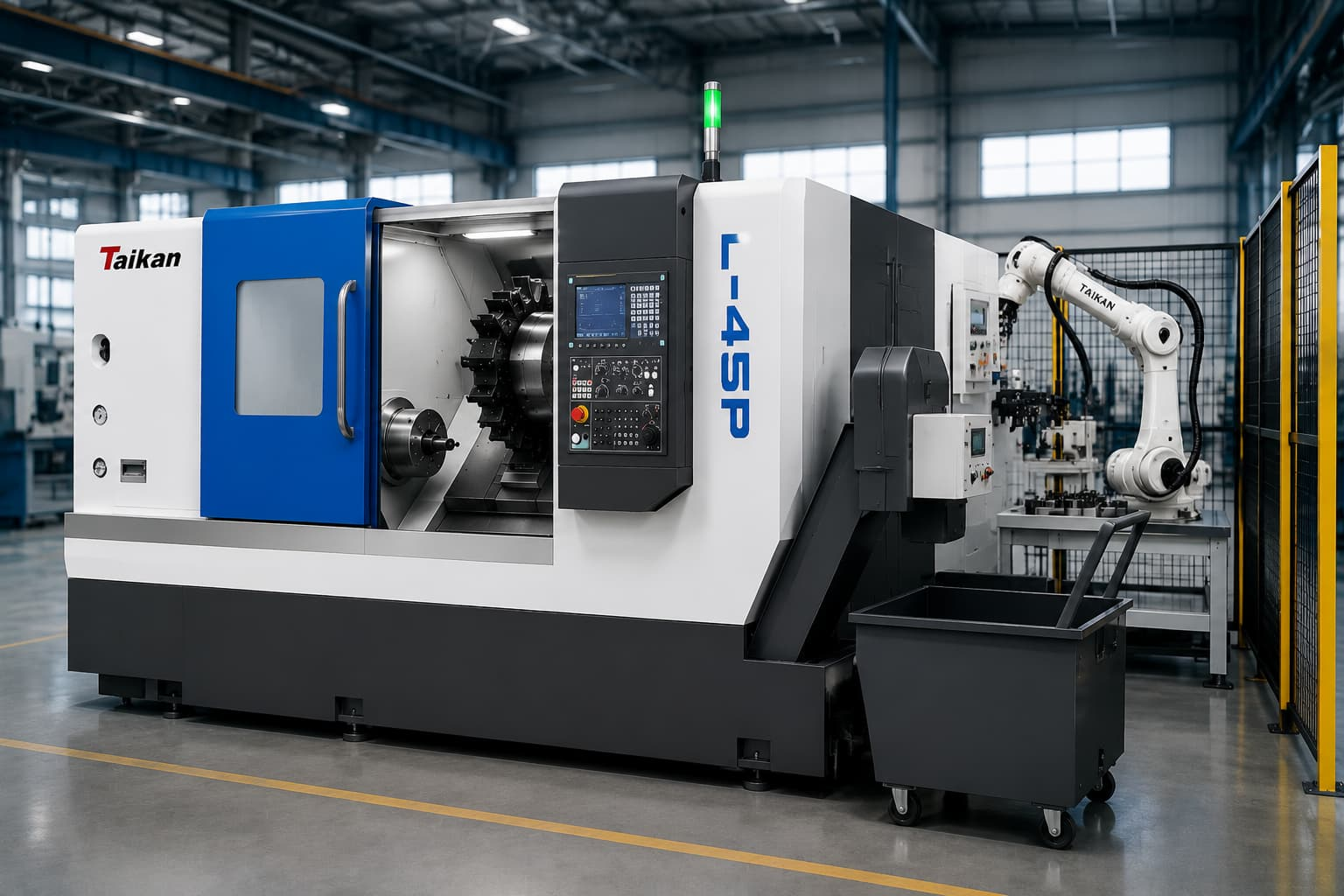
Automation is another major factor influencing CNC machine investment. The right automation level depends on production volume, labor availability, and workflow requirements.
Common automation options include:
| Automation Solution | Application | Cost Impact |
| Manual Loading | Low-volume production | Lowest investment |
| Bar Feeder System | Continuous machining of bar materials | Medium additional cost |
| Robot Loading System | High-volume production | Higher investment |
| Fully Automated Cell | Smart factory production | Highest configuration cost |
For manufacturers producing thousands of similar components, automation can significantly improve productivity and reduce labor dependency. Solutions such as an automatic lathe China supplier can provide manufacturers with flexible automation options for continuous production. However, automation is not always necessary. Small-batch manufacturers may achieve better economic results with a flexible CNC lathe rather than investing in a fully automated system.
What Additional Costs Should Be Considered Besides Machine Price?
The purchase price is only part of the total CNC lathe investment. Buyers should also consider operating and lifecycle expenses, especially when additional machining processes require complementary equipment such as a CNC drilling and tapping center for drilling, tapping, and multi-process production needs.
| Cost Item | Description |
| Tooling | Cutting tools, holders, fixtures, and replacement parts |
| Installation | Machine setup, leveling, and commissioning |
| Training | Operator and programmer training |
| Maintenance | Lubrication, component replacement, and service |
| Energy Consumption | Electricity usage during production |
A lower-priced machine may not always provide the lowest long-term cost. Poor rigidity, frequent downtime, or limited spare parts availability can increase production expenses over time. Selecting a manufacturer with strong technical support and machining experience helps improve equipment reliability.
How to Choose the Right CNC Lathe Machine for Your Budget?
The best CNC lathe is not necessarily the most expensive model. The right choice depends on part requirements, production volume, material type, and future expansion plans.
| Production Requirement | Recommended Configuration | Cost Consideration |
| Small precision parts | Compact CNC lathe with standard turret | Lower investment |
| Medium-size mechanical parts | Standard CNC turning center | Balanced performance and cost |
| Complex components | Multi-axis CNC lathe with powered turret | Higher initial cost but fewer processes |
| High-volume production | Automated CNC lathe system | Higher investment with better efficiency |
Before purchasing, buyers should evaluate:
Required machining diameter and length
Material hardness
Production quantity
Required accuracy
Automation expectations
After-sales support
Taikan offers a range of CNC machine tools for different manufacturing scenarios, helping customers select suitable equipment based on machining requirements rather than only comparing initial prices.
Conclusion
The CNC lathe machine price is influenced by machine size, spindle specifications, turret design, automation level, and long-term operating requirements. A proper evaluation should consider both the initial purchase cost and the productivity benefits throughout the machine’s service life. For manufacturers, the best CNC lathe investment is the one that matches actual production needs, improves machining efficiency, and provides stable performance over time.
CNC Lathe Machine Selection Table
| Selection Factor | Questions to Ask Before Buying |
| Workpiece Size | What is the maximum diameter and length required? |
| Material | Are you machining aluminum, steel, stainless steel, or other materials? |
| Production Volume | Is the machine for small batches or mass production? |
| Accuracy Requirement | What tolerance level is required? |
| Automation Need | Is manual loading enough or is automatic production needed? |
| Future Expansion | Can the machine support future product changes? |
FAQ
What is the average CNC lathe machine price?
The average price depends on machine type and configuration. Basic CNC lathes are more affordable, while industrial CNC turning centers with automation and advanced functions require a higher investment.
Why do CNC lathes with similar sizes have different prices?
Different components such as spindle power, control systems, turret type, accuracy level, and automation options can create significant price differences.
Is a more expensive CNC lathe always better?
Not necessarily. The best machine is the one that matches your production requirements. A machine with unnecessary features may increase investment without improving efficiency.
How can I reduce CNC lathe machine cost?
Buyers can control costs by selecting suitable specifications, avoiding unnecessary automation, optimizing tooling requirements, and choosing a reliable supplier with good service support.
What should I check before purchasing a CNC lathe?
Important factors include machining capacity, spindle performance, accuracy, machine rigidity, tooling compatibility, maintenance support, and manufacturer experience.


