Gantry Machining Center Applications: 8 Industries Driving Demand in 2026
Views: 0 Author: Site Editor Publish Time: 2026-06-16 Origin: Site
- 1. What Is a Gantry Machining Center?
- 1.1 Structure Overview
- 1.2 Advantages Over Conventional VMCs
- 2. Why Gantry Machines Are Becoming More Popular
- 2.1 Larger Workpieces
- 2.2 Higher Rigidity
- 2.3 Better Accuracy
- 3. 8 Industries That Depend on Gantry Machining Centers
- 3.1 Aerospace Components
- 3.2 New Energy Vehicle Battery Trays
- 3.3 Automotive Molds
- 3.4 Wind Power Equipment
- 3.5 Rail Transit Equipment
- 3.6 Construction Machinery
- 3.7 Agricultural Machinery
- 3.8 Energy Equipment
- 4. How to Select the Right Gantry Machining Center
- 4.1 Travel Range
- 4.2 Spindle Configuration
- 4.3 Workpiece Weight
- 4.4 Precision Requirements
- 5. Future Trends in Large-Part CNC Machining
- 5.1 Automation
- 5.2 Digital Manufacturing
- 5.3 Five-Axis Gantry Technology
- 6. FAQ
- 6.1 What is a gantry machining center used for?
- 6.2 What industries use gantry machining centers the most?
- 6.3 How does a gantry machining center differ from a vertical machining center?
- 6.4 Why are double column machining centers preferred for large molds?
- 6.5 When should manufacturers choose a 5-axis gantry machine?
- 6.6 Is a gantry CNC machine suitable for aluminum machining?
- 7. Conclusion
- 8. References
As manufacturers continue to pursue larger, more complex, and higher-precision components, the demand for advanced machining equipment is growing rapidly. Industries such as aerospace, new energy vehicles, renewable energy, and heavy equipment manufacturing increasingly require machine tools capable of handling oversized workpieces while maintaining tight tolerances.
A gantry machining center has become one of the most important solutions for this challenge. Its rigid bridge-type structure, large machining envelope, and excellent stability make it ideal for large part machining applications that exceed the capabilities of conventional machining centers.
According to the International Energy Agency (IEA), global clean energy investment surpassed USD 2 trillion in 2024, while global EV sales exceeded 17 million units. Both trends are accelerating demand for large structural components that require high-precision CNC machining. As a result, gantry machining centers are becoming a critical part of modern manufacturing infrastructure.
What Is a Gantry Machining Center?
A gantry machining center is a CNC machine tool that uses a bridge-type structure supported by two columns, allowing stable and accurate machining of large and heavy workpieces.
Unlike traditional vertical machining centers (VMCs), gantry machines are specifically designed to handle large-format components while maintaining rigidity, accuracy, and machining efficiency.
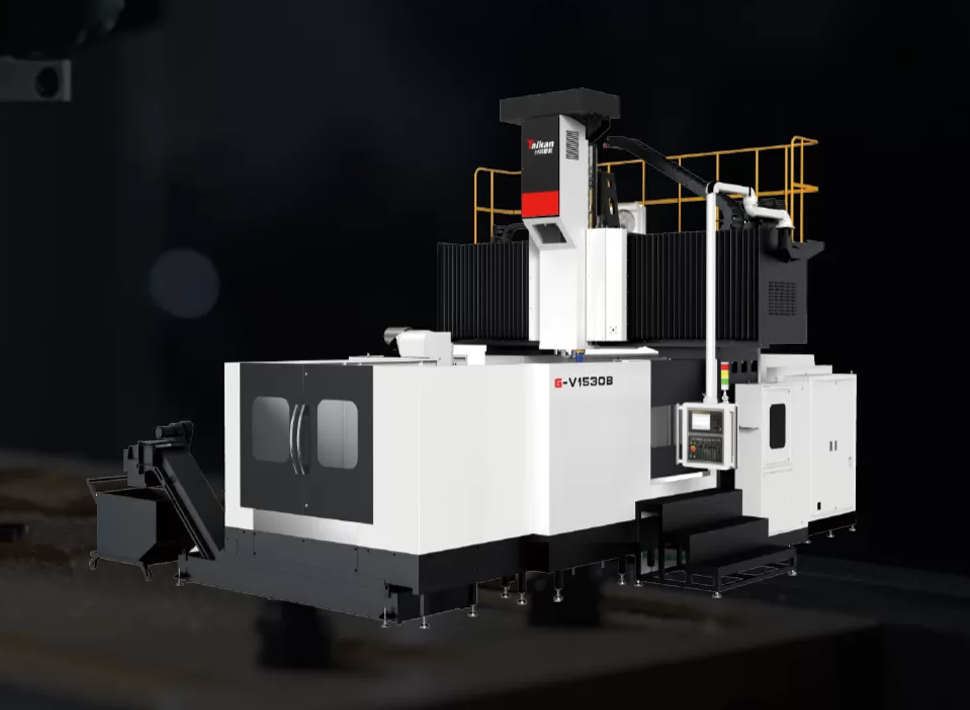
Structure Overview
A typical gantry machining center consists of a dual-column frame, crossbeam, spindle assembly, worktable, and multi-axis motion system. The spindle travels along the crossbeam while the workpiece remains securely positioned on the machine table.
This design minimizes structural deformation during cutting and provides excellent support for heavy-duty machining operations.
Taikan's Gantry Machining Center Series is engineered around this high-rigidity architecture, delivering stable performance for demanding industrial applications.
Advantages Over Conventional VMCs
While vertical machining centers remain highly effective for medium-sized components, they often face limitations when machining oversized workpieces.
| Feature | Gantry Machining Center | Conventional VMC |
| Maximum Workpiece Size | Very Large | Medium |
| Structural Rigidity | High | Moderate |
| Load Capacity | High | Limited |
| Machining Stability | Excellent | Good |
| Mold Manufacturing | Excellent | Moderate |
| Aerospace Structures | Excellent | Limited |
For manufacturers handling large molds, welded structures, or aerospace components, a double column machining center often provides superior long-term machining performance.
Why Gantry Machines Are Becoming More Popular
The increasing adoption of gantry machining centers is driven by growing workpiece dimensions, higher precision requirements, and rapid expansion in advanced manufacturing industries.
Larger Workpieces
Modern industrial products are becoming larger across multiple sectors. For example, utility-scale wind turbines continue to increase in size. According to the U.S. Department of Energy, offshore wind turbines now frequently exceed 12 MW in capacity, requiring significantly larger structural components than previous generations. Similarly, electric vehicle battery trays, aircraft structures, and heavy machinery frames often exceed the machining capacity of standard machine tools.
Higher Rigidity
Machine rigidity directly affects dimensional accuracy, surface finish quality, and tool life. The bridge-type structure of a gantry machine distributes cutting forces evenly, reducing vibration and maintaining stability during extended machining cycles.
This is one reason many manufacturers are replacing traditional equipment with specialized CNC gantry machining centers when producing high-value components.
Better Accuracy
Large parts present unique machining challenges. Even minor structural deflection can lead to dimensional errors across long travel distances. The dual-column design minimizes deformation and improves geometric accuracy, making gantry systems particularly suitable for industries that require strict tolerance control.
Research published by the National Institute of Standards and Technology (NIST) identifies machine structural stability as one of the primary factors affecting precision machining performance.
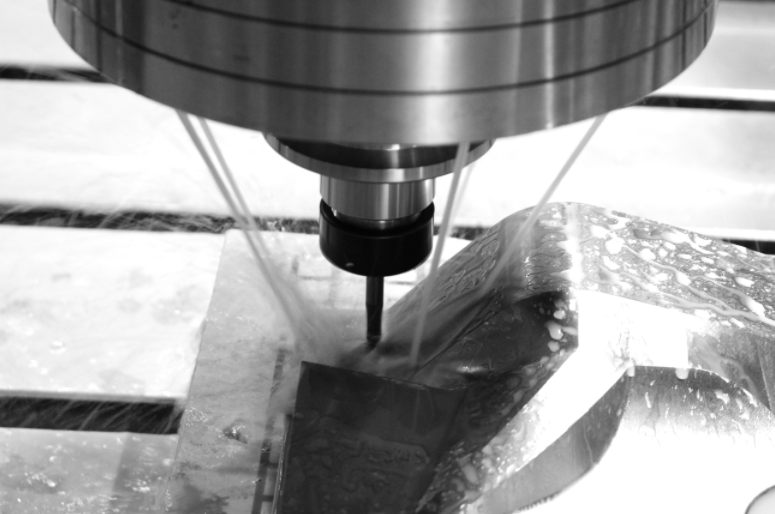
8 Industries That Depend on Gantry Machining Centers
Gantry machining centers play a critical role in industries that require large-format machining, high rigidity, and exceptional accuracy.
Aerospace Components
Aircraft manufacturers increasingly rely on large integrated structures to reduce assembly complexity and improve performance.
Wing ribs, fuselage frames, landing gear components, and aerospace tooling often require large machining envelopes combined with high positional accuracy.
As aerospace manufacturers continue pursuing lightweight designs, demand for gantry machining technology continues to grow.
New Energy Vehicle Battery Trays
Battery trays are among the largest aluminum components found in electric vehicles.
These structures require extensive milling, drilling, and precision hole positioning operations. The rapid growth of EV production has made battery tray machining one of the fastest-growing applications for gantry machines.
Automotive Molds
Automotive exterior panels, bumpers, dashboards, and structural components all depend on large molds.
Machining these molds requires excellent rigidity and dimensional stability, making gantry systems a preferred choice for mold manufacturers worldwide.
Wind Power Equipment
The wind energy industry depends heavily on large structural components, including hubs, nacelles, and mounting systems. As turbine capacities continue increasing, manufacturers require larger and more capable machining platforms.
Rail Transit Equipment
Rail vehicle frames, bogies, and structural assemblies demand high precision across long dimensions. Gantry machining centers provide the stability necessary to maintain consistent accuracy throughout the machining process.
Construction Machinery
Heavy equipment manufacturers routinely machine large welded structures, castings, and frame components. The load-bearing capability of gantry machines makes them particularly suitable for these applications.
Agricultural Machinery
Modern agricultural equipment has evolved into highly engineered machinery requiring large precision components. Large castings and fabricated structures frequently require machining operations beyond the capacity of standard machining centers.
Energy Equipment
Components used in power generation, petrochemical facilities, and renewable energy systems often require extensive machining on large surfaces.
For complex geometries, a 5 axis gantry CNC machine provides additional flexibility by enabling multi-surface machining in a single setup.
Taikan's G-VU Series and G-BU Series 5-Axis Gantry Machining Centers are designed specifically for advanced applications that require simultaneous multi-axis machining and high positional accuracy.
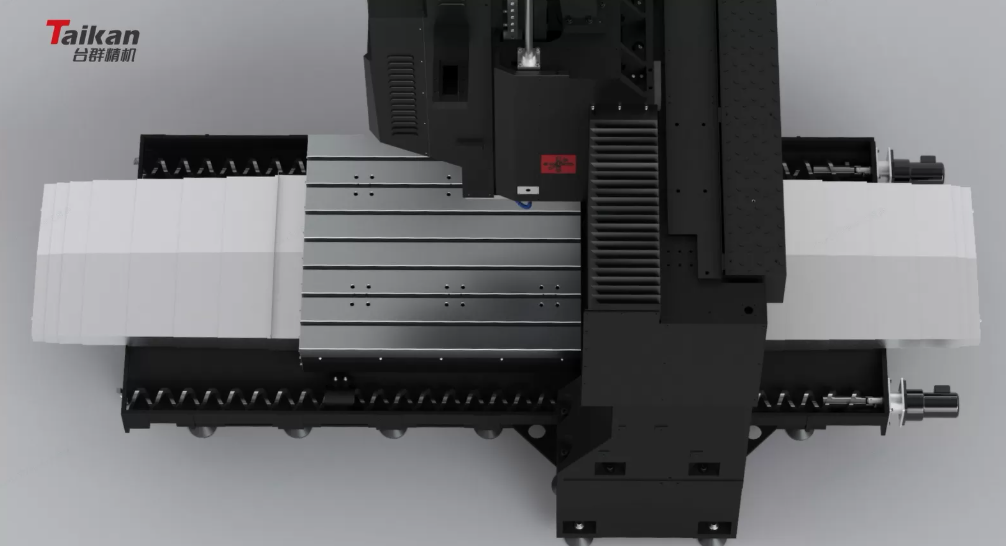
How to Select the Right Gantry Machining Center
Choosing the right gantry machining center requires careful evaluation of workpiece dimensions, machining requirements, and future production needs.
Travel Range
The machine's travel range should comfortably accommodate the largest anticipated workpiece while allowing room for future production expansion. Purchasing a machine solely for current requirements can limit long-term manufacturing flexibility.
Spindle Configuration
Different machining applications require different spindle characteristics. High-speed aluminum machining, mold manufacturing, and heavy-duty steel cutting each demand unique spindle specifications.
Many buyers evaluating a CNC China machine focus heavily on spindle performance because it directly impacts machining efficiency and production quality.
Workpiece Weight
Machine table capacity should be selected based on both current and future production requirements.
Adequate load capacity helps ensure long-term machine stability and reliability.
Precision Requirements
Not all applications require the same level of accuracy. Industries such as aerospace and precision mold manufacturing often prioritize geometric accuracy and repeatability over maximum material removal rates. Machine specifications should align with actual production requirements rather than theoretical maximum performance.
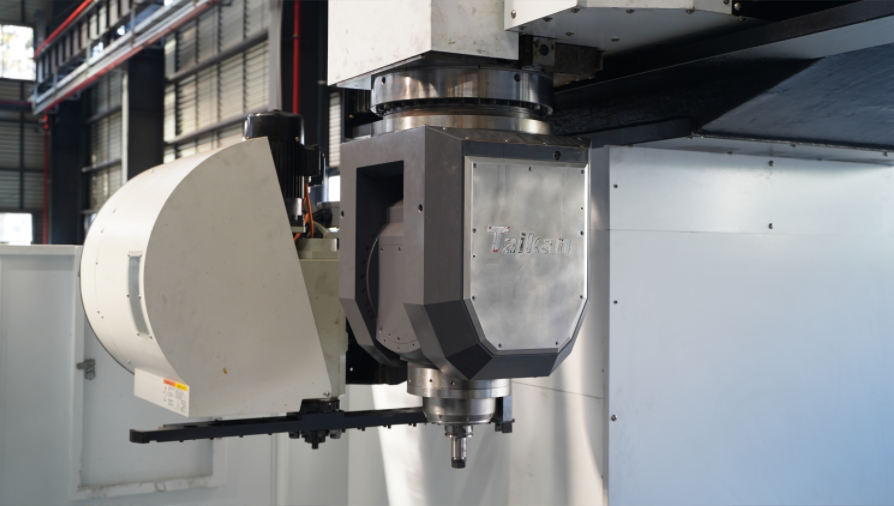
Future Trends in Large-Part CNC Machining
The future of large-part machining will be shaped by automation, digital manufacturing technologies, and advanced multi-axis machining capabilities.
Automation
Manufacturers are increasingly integrating robotic loading systems, automatic pallet changers, and intelligent tool management systems into production environments. Automation helps improve productivity while reducing labor dependence.
Digital Manufacturing
Industry 4.0 technologies are enabling real-time machine monitoring, predictive maintenance, and production optimization. According to Deloitte's Smart Manufacturing Survey, manufacturers adopting digital manufacturing technologies report significant improvements in operational efficiency and production visibility.
Five-Axis Gantry Technology
Five-axis machining continues to gain momentum because it reduces setup times, improves surface quality, and enables machining of increasingly complex geometries. This trend is particularly evident in aerospace, energy equipment, and advanced mold manufacturing sectors.
As technology continues evolving, five-axis gantry solutions are expected to become standard equipment for many high-end manufacturing applications.
FAQ
What is a gantry machining center used for?
A gantry machining center is primarily used for machining large and heavy workpieces that require high rigidity, accuracy, and dimensional stability.
What industries use gantry machining centers the most?
Aerospace, automotive, EV battery manufacturing, wind energy, rail transit, construction machinery, agricultural equipment, and energy equipment manufacturing are among the primary users.
How does a gantry machining center differ from a vertical machining center?
A gantry machine uses a bridge-style dual-column structure designed for larger workpieces, while a vertical machining center is generally optimized for small and medium-sized components.
Why are double column machining centers preferred for large molds?
Their rigid structure minimizes vibration and deformation, helping maintain accuracy during long machining cycles.
When should manufacturers choose a 5-axis gantry machine?
Five-axis gantry machines are ideal when components require complex surfaces, multiple-angle machining, and reduced setup operations.
Is a gantry CNC machine suitable for aluminum machining?
Yes. Gantry machines are widely used for machining large aluminum components such as EV battery trays, aerospace structures, and transportation equipment.
Conclusion
As industrial components continue growing in size and complexity, gantry machining centers are becoming essential manufacturing assets. Their combination of rigidity, accuracy, and large-format machining capability makes them indispensable across aerospace, EV, renewable energy, transportation, and heavy equipment industries. With automation and five-axis technologies advancing rapidly, gantry machining centers will remain a foundational technology for high-end manufacturing in 2026 and beyond.
References
International Energy Agency (IEA) – Global EV Outlook & World Energy Investment Report
https://www.iea.org[1]National Institute of Standards and Technology (NIST) – Advanced Manufacturing Resources
https://www.nist.gov[2]


