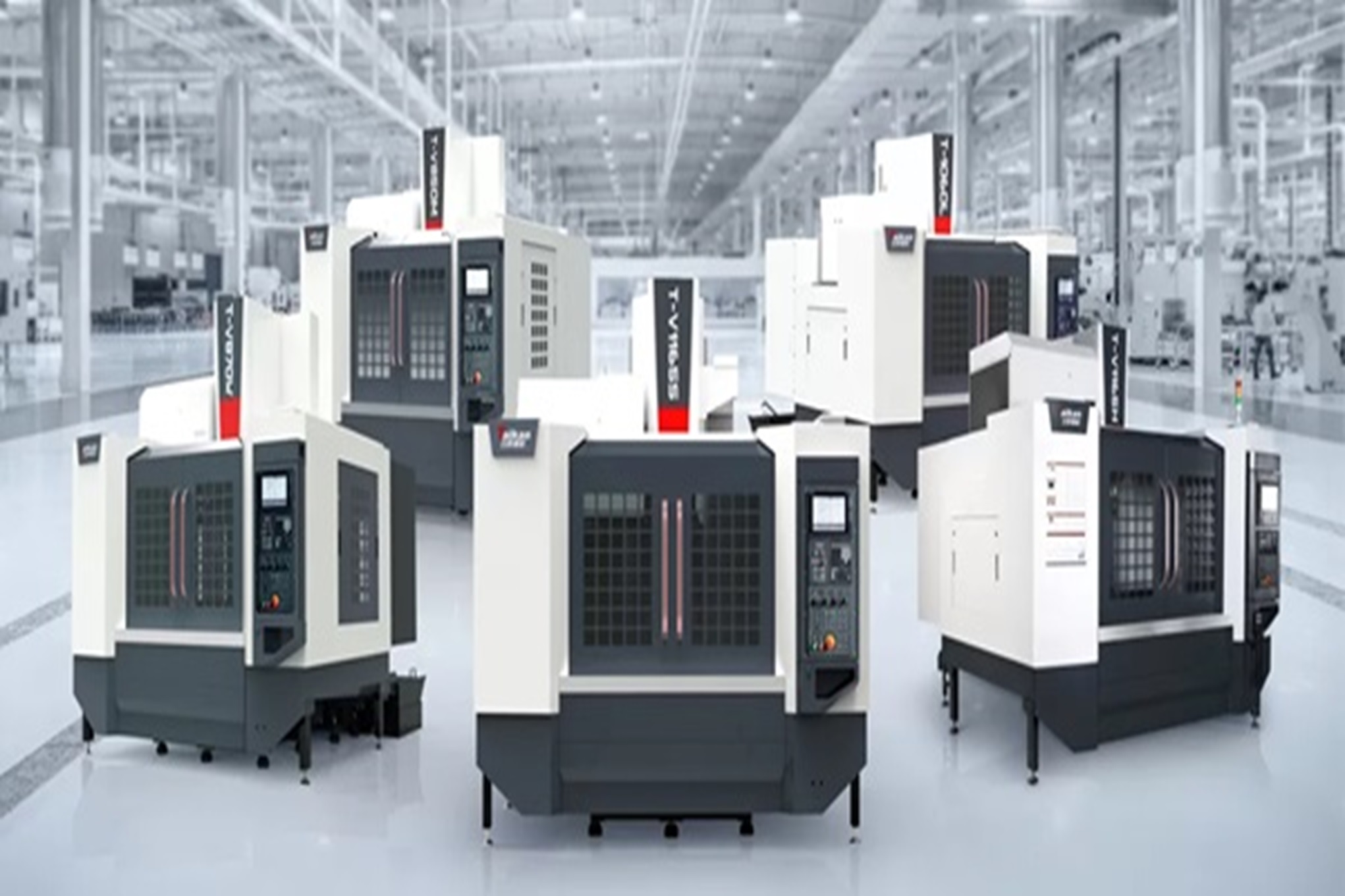
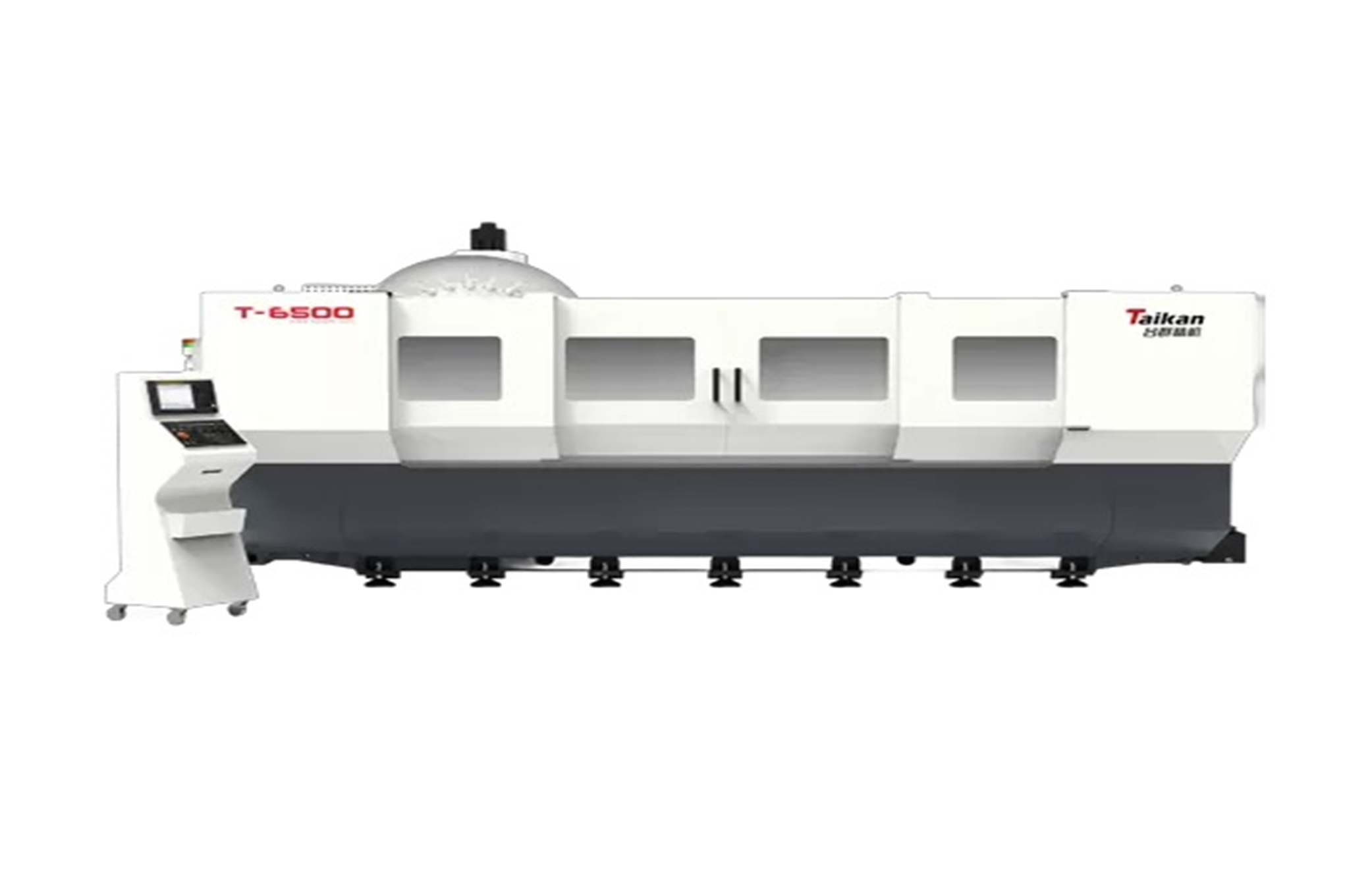
Buying a CNC machine from China should not start with the lowest quotation. For an overseas factory, the better question is whether the supplier can understand your parts, materials, tolerances, documentation needs, installation plan, and maintenance pressure after delivery.
A CNC machine manufacturer is a company that designs, builds, configures, and supports computer numerical control equipment used to automate machining operations.
When comparing a cnc machine manufacturer in China, buyers should look beyond product photos and check whether the supplier’s machine range, application experience, quality system, and service support match the actual production plan.
Why Overseas Buyers Source CNC Machines from China
China is a practical sourcing market for CNC equipment because many manufacturers offer multiple machine categories, flexible configurations, and direct engineering communication. But the useful question is not simply “Is a Chinese CNC machine good?” It is “Which Chinese supplier can support this exact part and production model?”
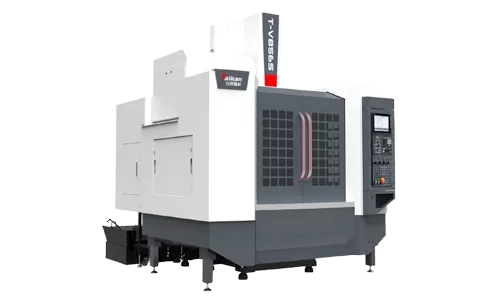
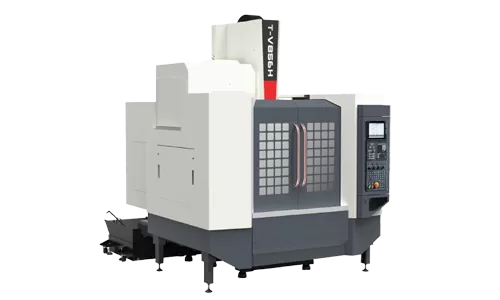
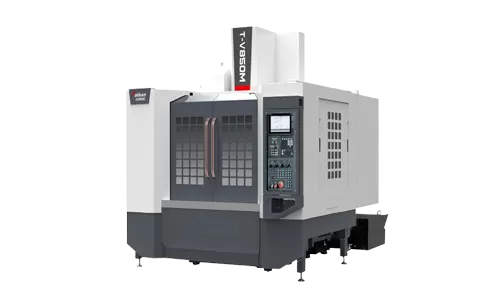
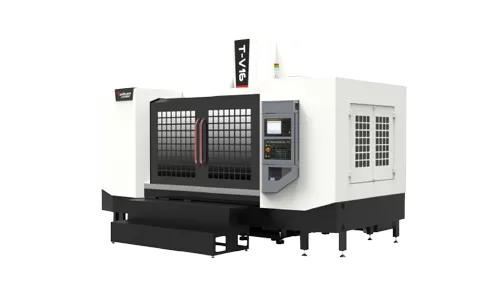
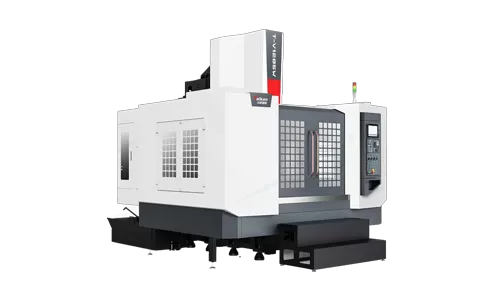
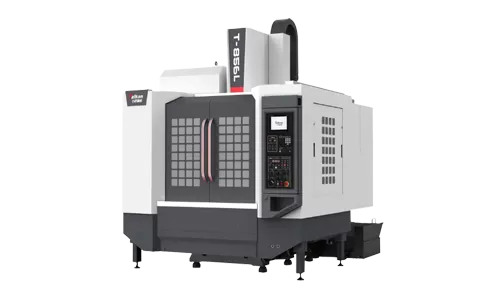
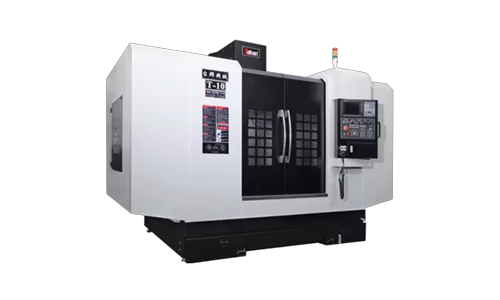
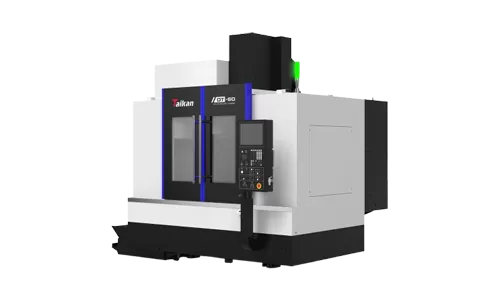
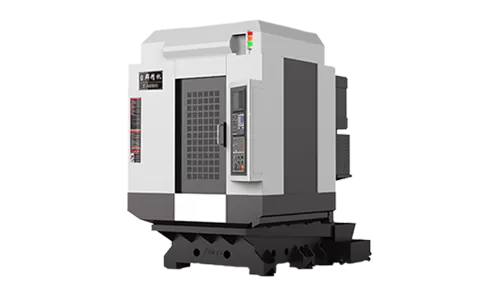
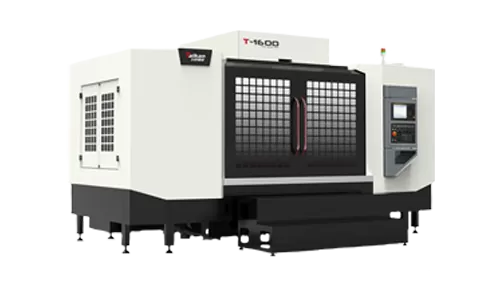
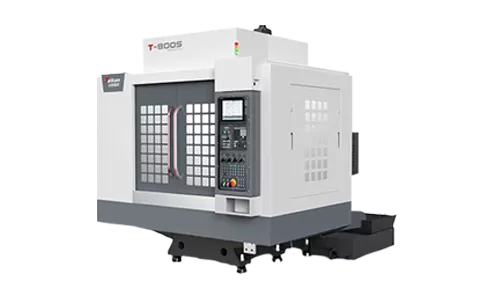
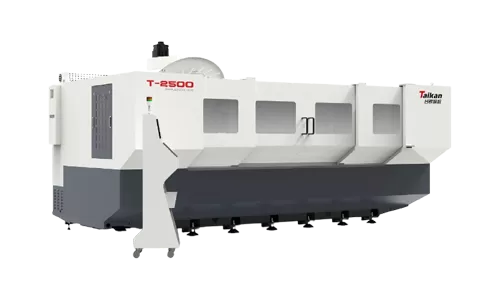
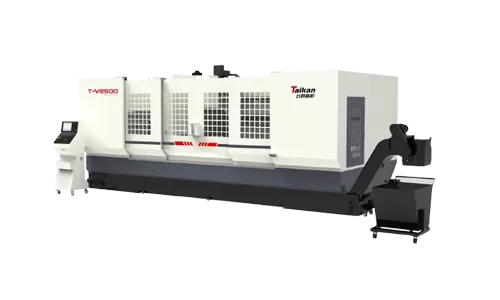
Taikan lists product categories including vertical machining centers, drilling and milling machining centers, profile machining centers, horizontal machining centers, 5-axis machining centers, gantry machining centers, CNC lathes, and Swiss-type automatic lathes. Meanwhile, Taikan has 4 modern manufacturing bases, 3,000+ employees, 785,300+ square meters of factory area, 700+ core patents, and 200+ sales and after-sales service centers.

What Should a Reliable CNC Machine Manufacturer Provide?
A reliable CNC supplier should make selection easier, not more confusing. Before asking for a discount, check whether the manufacturer can explain why one machine structure fits your parts better than another.
A qualified supplier should provide:
Model recommendations based on material, part size, tolerance, fixture plan, and batch volume.
Technical documents, manuals, acceptance standards, configuration details, and service instructions.
Installation guidance, operator training, spare parts support, and after-sales response for your region.
Clear explanations of trade-offs between speed, rigidity, accuracy, automation, and cost.
CNC Machine Manufacturer Evaluation Table
| Evaluation Factor | What to Check | Why It Matters |
| Product range | VMC, HMC, 5-axis, tapping center, gantry, CNC lathe | A wider range helps match the machine to the part instead of forcing one model into every job. |
| Application fit | Automotive, aerospace, 3C, mold, precision parts | Real application experience makes recommendations more practical. |
| Accuracy verification | Positioning accuracy, repeatability, rotary-axis inspection | ISO 230-2:2014 specifies methods for testing positioning accuracy and repeatability of numerically controlled axes. |
| Quality system | Process control, inspection records, traceability | ISO 9001:2015 is an international quality management standard for consistent products and services. |
| Service support | Training, parts, remote assistance, local response | Downtime becomes more expensive when support is far away. |
| Documentation | Manuals, specifications, brochures, test reports | Documents help with customs, installation, operator training, and internal approval. |
How to Match Machine Type with Production Needs
The best CNC machine is the one that fits your parts, not the one with the longest specification sheet. A mold shop, an automotive housing producer, and a small precision parts factory may all need CNC equipment, but they should not evaluate the same model in the same way.
For the first screening, match the machine type to the production task:
Choose a vertical machining center for general milling, molds, plates, brackets, and mixed-part production.
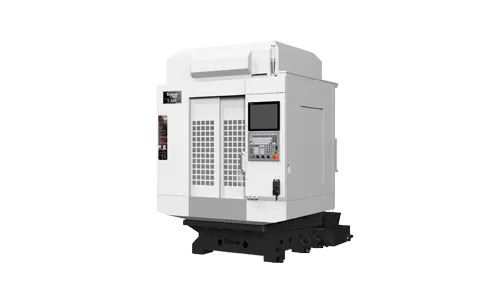
Choose a drilling and tapping center when small aluminum or 3C parts need fast drilling, tapping, and light milling.
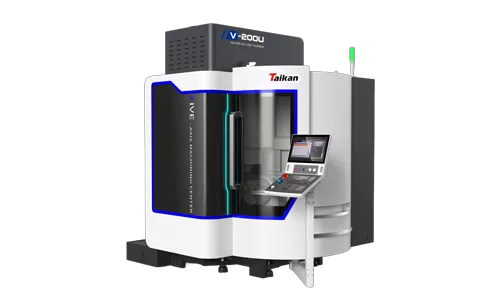
Choose a 5 axis machining center when the part has complex surfaces, multi-angle features, or high one-setup accuracy requirements.
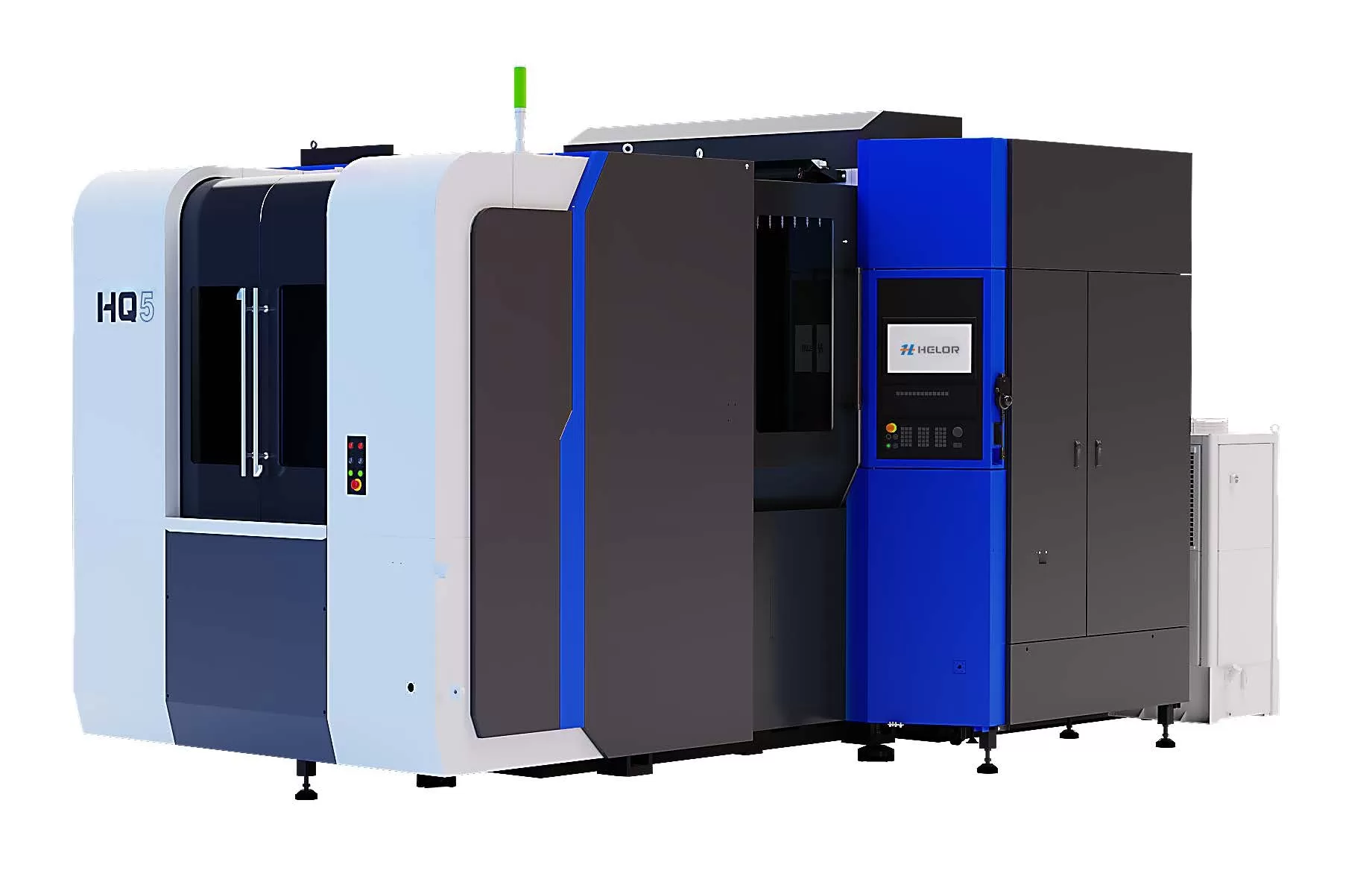
Choose a china horizontal machining center when box-type parts, engine housings, gearbox housings, or multi-face batch machining require stable clamping and efficient chip removal.
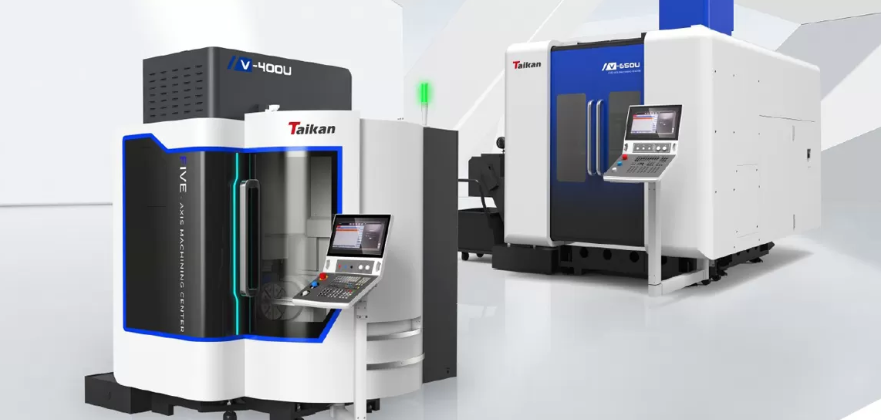
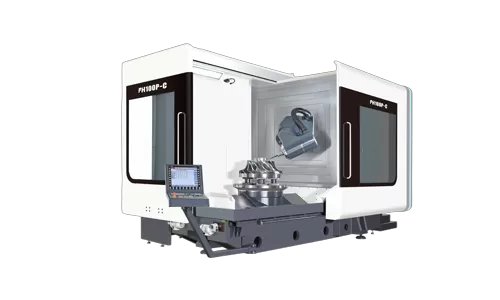
Taikan’s 5-axis machining center page describes high-rigidity structures, multi-dimensional configuration options, optimized core components, and precision control technology. It also lists vertical, horizontal, mill-turn, and gantry-type models, with worktable diameters from Φ180mm to Φ1800mm and beyond.
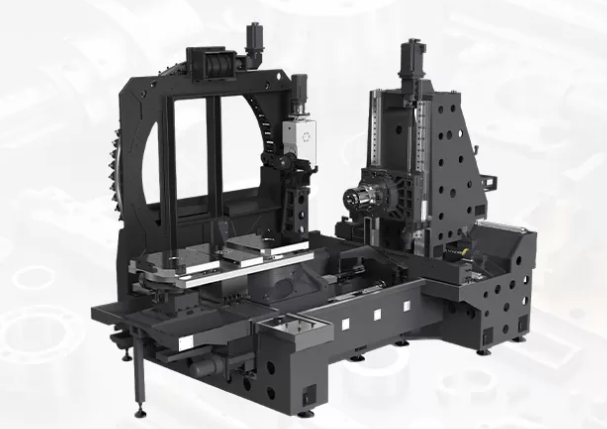
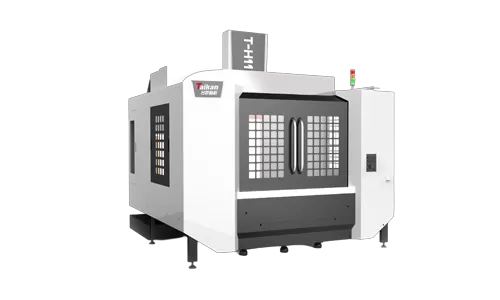
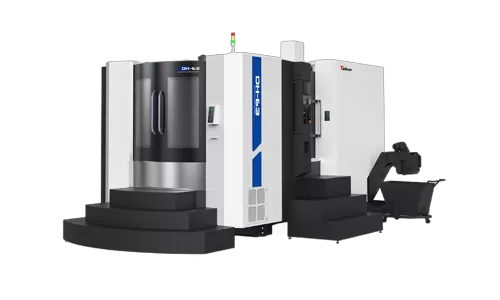
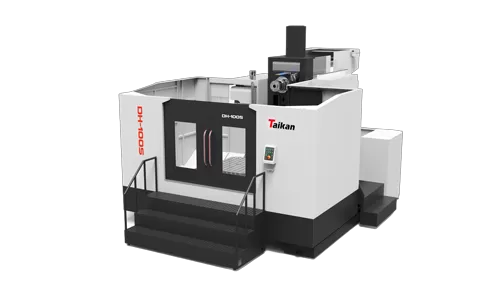
Taikan’s horizontal machining center page says the series includes T-H small series, DH double-table series, and DHS large single-table series, with workpiece capacity up to φ2000mm. It also says the series is used for automotive, gearbox, engine housing, and box-type part machining, and is compatible with aluminum alloys, cast iron, and steel.
Questions to Ask Before Ordering
Many sourcing mistakes happen because the supplier receives a machine inquiry but not a real process brief. Before asking for a final quotation, prepare basic machining information and let the supplier respond with a structured recommendation.
Ask which model fits your material, maximum part size, tolerance target, and expected output. Confirm what acceptance test will be used before shipment and whether you can receive the inspection report. Also ask which spare parts are recommended for the first year of operation, and what training, troubleshooting, and maintenance support are available after installation.
Useful questions include:
What material and workpiece size range is this machine designed for?
Which accuracy standard or acceptance method will be used before shipment?
What configuration is included in the quotation, and what is optional?
What training, spare parts, and maintenance support are available after installation?
If a supplier cannot answer these questions clearly, the risk may affect internal approval, operator training, and production ramp-up.
Warning Signs When Comparing CNC Machine Suppliers
A good supplier will not claim that one model can do everything. CNC machine selection involves trade-offs between rigidity, speed, working range, tool capacity, automation, and cost.
Be careful if you notice these warning signs:
The supplier recommends a machine before reviewing your part drawings or process requirements.
The quotation lists only price, but no configuration details, acceptance standards, or service scope.
The supplier cannot explain the difference between VMC, HMC, 5-axis, and lathe solutions for your parts.
The supplier avoids discussing installation, maintenance training, spare parts, or after-sales response.
Taikan may be considered when a buyer wants to compare multiple CNC categories under one manufacturing group. Its website presents 9 CNC machine tool series with customizable configurations, 20 years of industry experience, ISO-certified machines, and a service network covering 50+ countries and regions.
Conclusion
Choosing a CNC machine manufacturer in China should be a structured technical decision. Compare product range, application fit, accuracy verification, documentation, and after-sales support before comparing price. A reliable supplier should help you select the right machine type for your material, part geometry, batch size, and accuracy target.
FAQ
What should I check first when choosing a CNC machine manufacturer in China?
Start with your own parts. Confirm material, maximum size, tolerance, batch volume, cycle-time target, and required processes. Then check whether the manufacturer can match those requirements with the right machine type and clear technical documents.
Is price the most important factor when buying a CNC machine from China?
No. Price matters, but machine fit, accuracy stability, service support, spare parts, and operator training usually have a larger long-term impact on production cost.
When should I choose a 5-axis machining center?
Choose it when your parts require complex surfaces, multi-angle machining, reduced setups, or better one-clamping accuracy. It is especially useful for aerospace parts, precision molds, impellers, complex housings, and other components that are difficult to finish with multiple separate setups.
Why is after-sales support important for overseas buyers?
Installation, training, troubleshooting, and spare parts availability directly affect machine uptime. A machine that is difficult to support can become expensive even if the initial purchase price is lower.
Wayne Zhao
Chief Technical Expert, Taikan Machine
A CNC expert with 10+ years of experience in control systems and machining.
Formerly with Siemens and FANUC, Wayne specializes in system commissioning, 5-axis programming, and integrated machining applications. He is dedicated to transforming technical expertise into actionable industry insights.

 Español
  português
  русский
  العربية
  Türkçe
  français
  Deutsch
  italiano
  ไทย
ไทย  tiếng việt
  Polska
  Malay
Malay  हिंदी
हिंदी  Indonesia
  ಕನ್ನಡ
ಕನ್ನಡ 
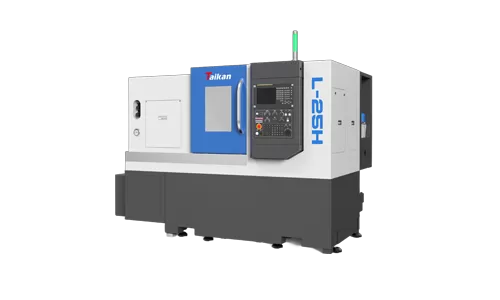
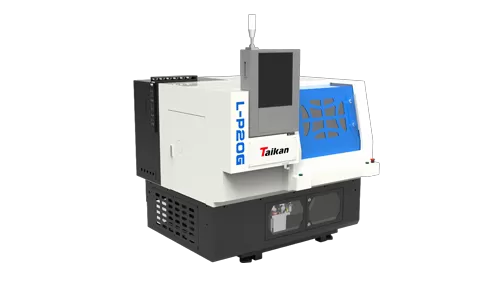

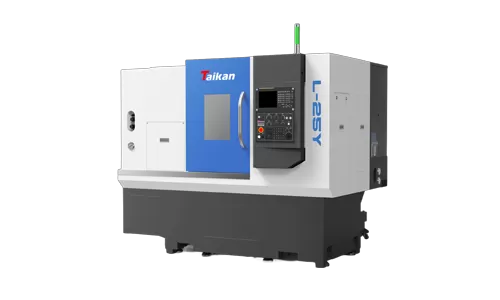
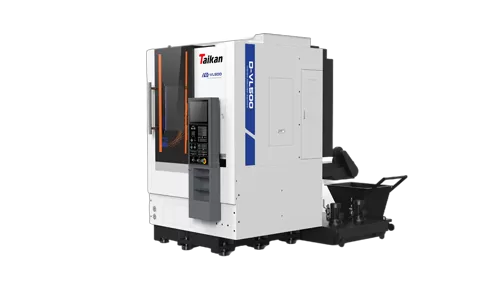
 Vertical Machining Center Drilling and Milling Machining Center Profile Machining Center Horizontal Machining Center 5-Axis Machining Center Gantry Machining Center CNC Lathe CNC Swiss-Type Automatic LatheS series Standard Edition with 3-Axis Linear Guide Rails H Series Advanced Edition with 3-Axis Linear Guide Rails M Series Excellent Rigidity T-V Series Light Cutting W Series Hub Machining L Series Two Rails and One Hard Rail T Series 3-Axis Hard Rail HDT Series High Precision Vertical Machining CenterB Series Drilling & Milling Machining Center S Series Drilling & Milling Machining Center SE Series Drilling & Milling Machining CenterT Series Moving Column Type & BT30 (Tilt-Disc Tool Magazine) V Series Moving Column Type & BT40 (Tilt-Disc Tool Magazine)HT-H11 Horizontal Machining Center HHQ5 High Rigidity Horizontal Machining Center HDH-63 Horizontal Machining Center HDH-100S Horizontal Machining CenterT-U Series 5-Axis Tapping Machining Center V-U Series Vertical 5-Axis Machining Center FH Series 5-Axis Milling and Turning Machining Center CX700-2000 Seven-axis Five-simultaneous Milling And Turning Machining CenterG-V Series 3-Axis Linear Guides G-VU Series 5-Axis Gantry Machining Center G-BU Series Bridge 5-Axis Gantry Machining Center