How Smart MES Systems Redefine High-Efficiency CNC Manufacturing?
Views: 0 Author: Site Editor Publish Time: 2026-06-15 Origin: Site
- 1. Production Scheduling Automation: Eliminating Floor Dispatch Latency
- 2. Lean Logistics and Automated Material Kitting via AGVs
- 3. Comprehensive Shop Floor Digitalization & Real-Time Data Acquisition
- 4. Digital Andon Systems: Accelerated Issue Escalation and Resolution
- 5. Advanced Quality Traceability: Bi-Directional Closed-Loop Auditing
- 6. Transparent Performance Metrics & Automated 7S Compliance
- 7. Data-Driven Scaling and the Future of CNC Manufacturing
- 8. The Taikan Commitment to Precision and Scalability
Can a factory produce 33% more high-end CNC machines without changing its footprint, adding shifts, or racing spindles into the red? At Taikan Machine, that’s not a simulation—it’s our daily reality. By putting an intelligent Manufacturing Execution System (MES) at the heart of our Huzhou manufacturing headquarters, we’ve added 3,000 extra vertical machining centers and CNC turning centers to our annual output. And we did it not by asking machines to work harder, but by making the entire shop floor work smarter.
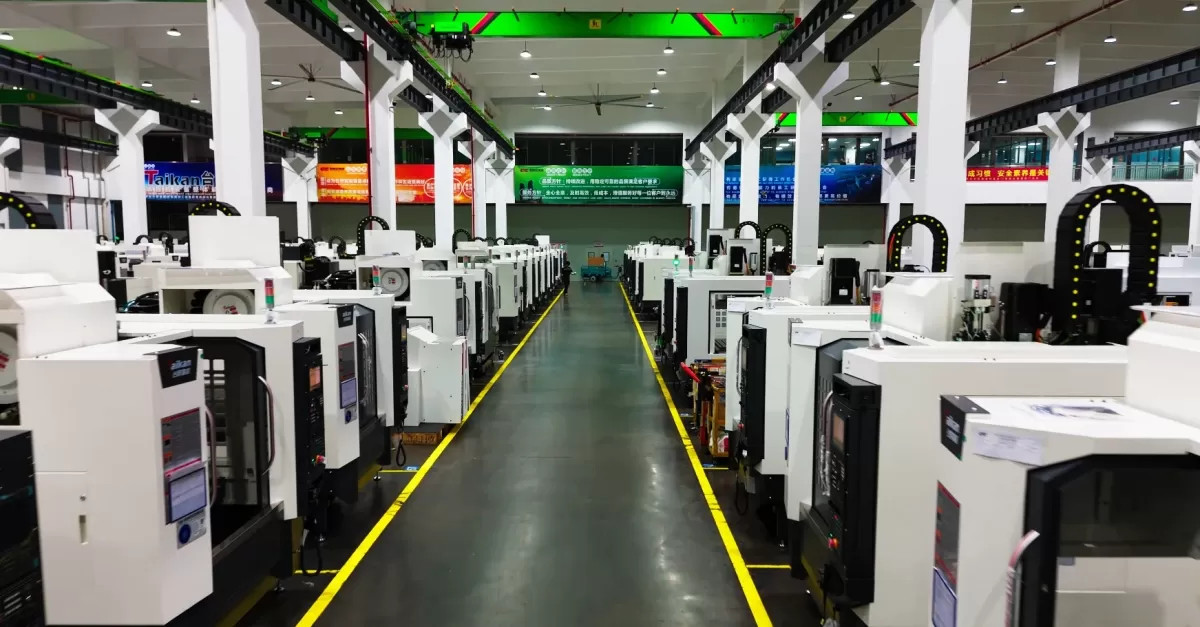
Here is how our deep integration of digital shop floor management transforms a traditional industrial manufacturing site into an autonomous, data-driven powerhouse.
Production Scheduling Automation: Eliminating Floor Dispatch Latency
Traditional manufacturing environments frequently suffer from communication delays, unrecorded verbal orders, or misallocated tasks on the floor. In a high-volume facility, even minor discrepancies can disrupt assembly lines and prolong delivery cycles.
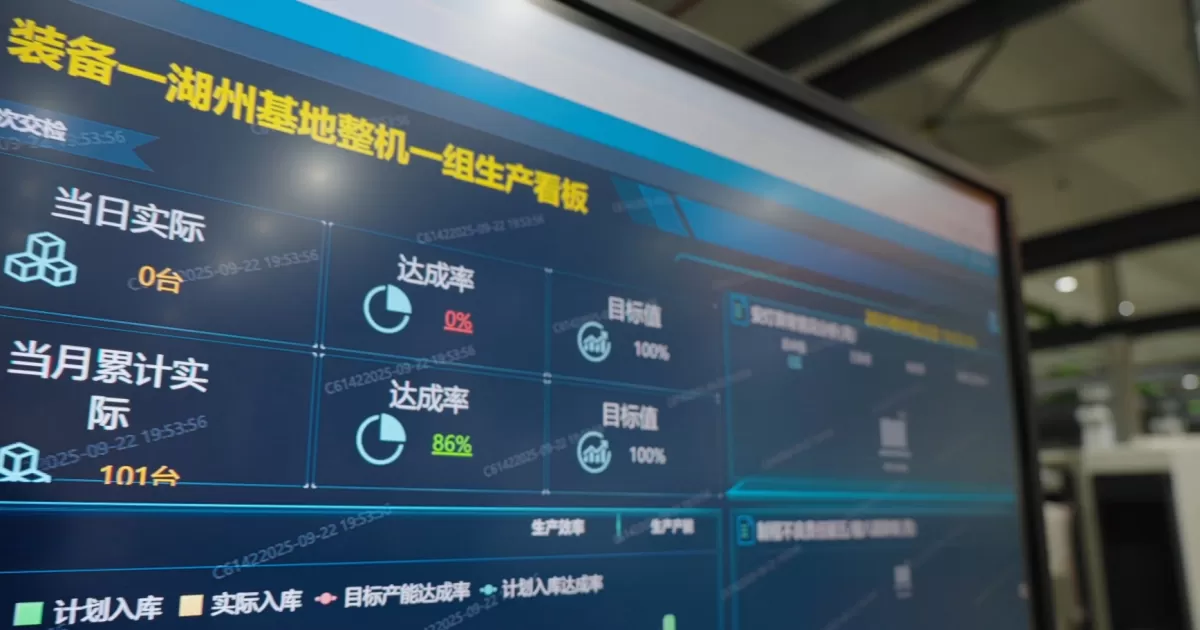
With our MES platform, Taikan has shifted entirely to automated digital dispatching. Once a planner releases a production order within the system, the task is routed, processed, and delivered directly to the workshop supervisor’s mobile interface within 10 seconds. The system evaluates real-time production capacity and material availability to automate scheduling. What previously required two hours of manual preparation and data verification is now completed accurately in just 5 minutes—representing a 24-fold increase in operational scheduling efficiency.
Lean Logistics and Automated Material Kitting via AGVs
Material availability is a critical factor in CNC machining optimization for cnc machining centers and turning centers. Component shortages disrupt assembly lines, while over-allocating parts creates clutter and financial waste on the shop floor.
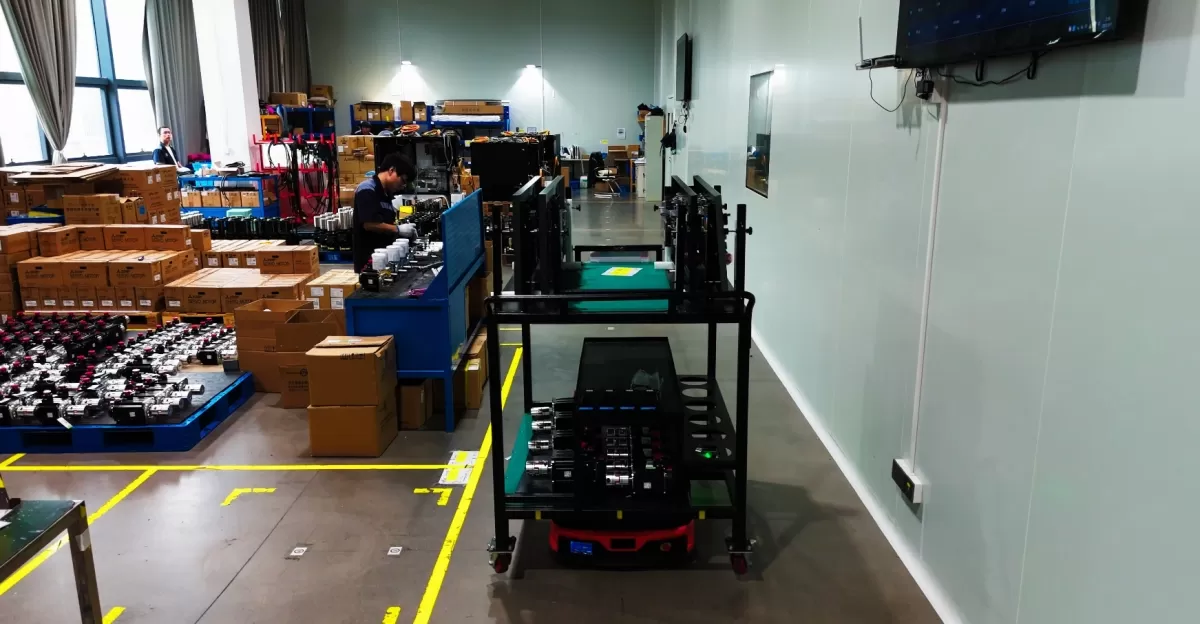
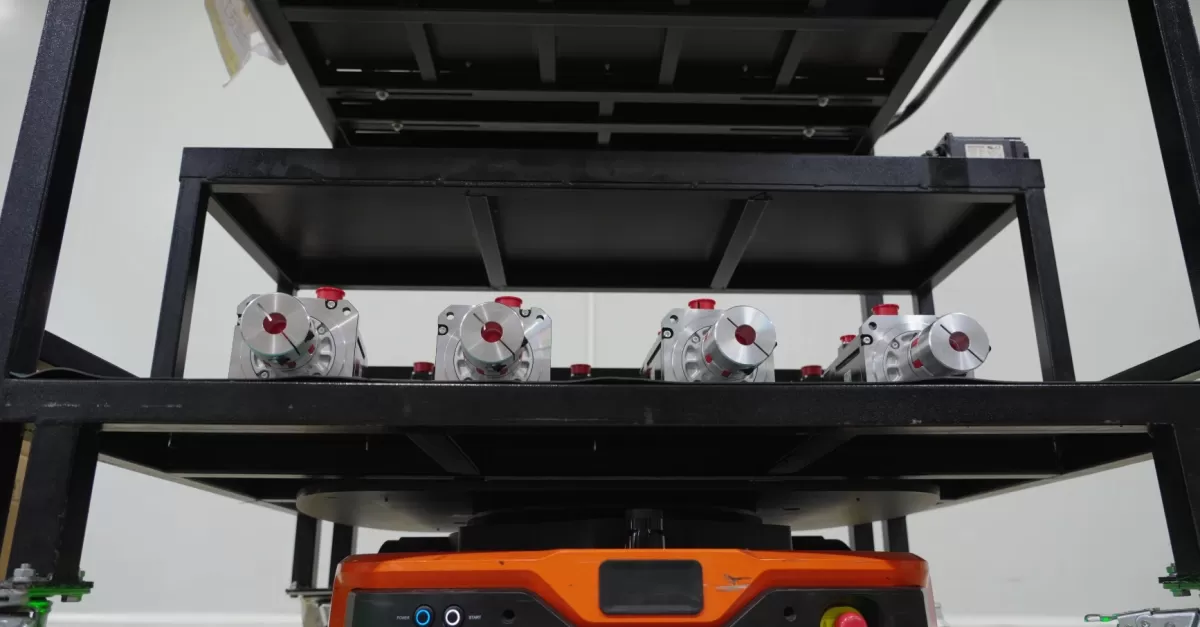
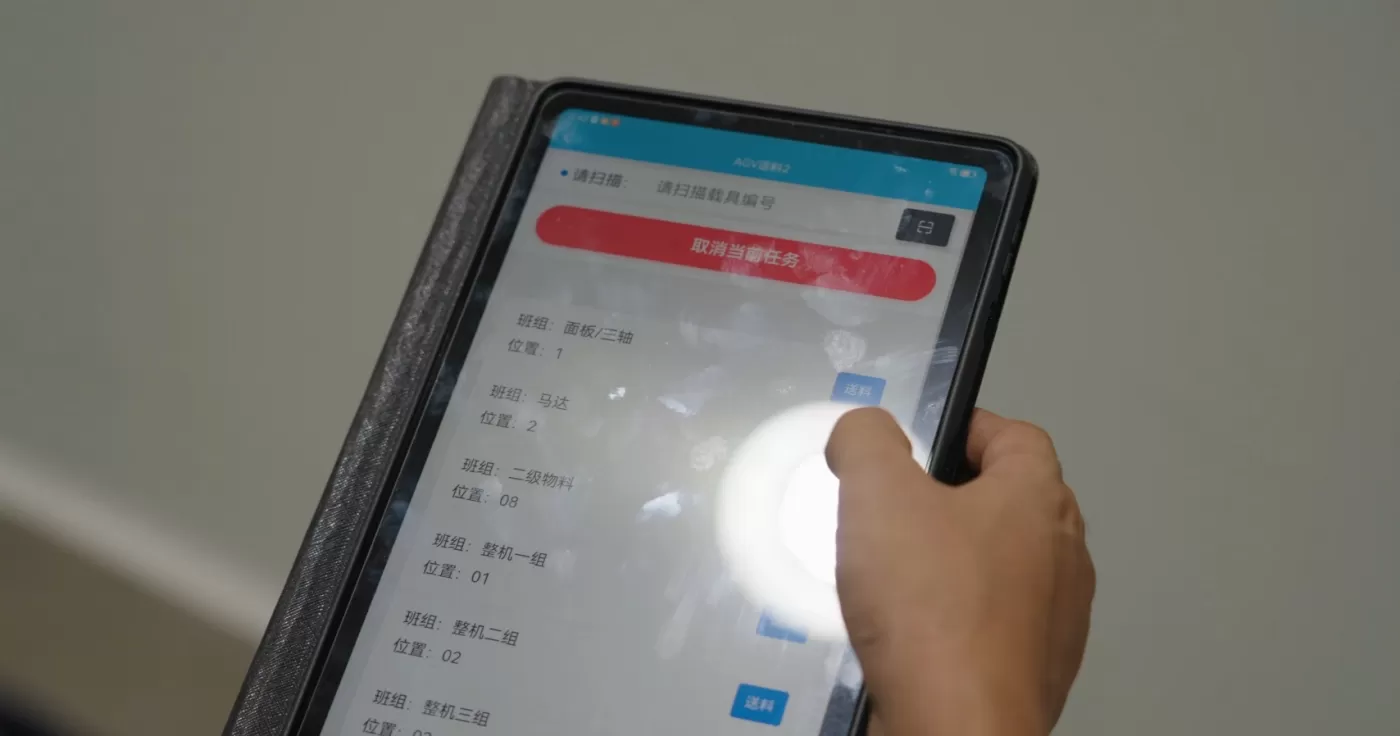
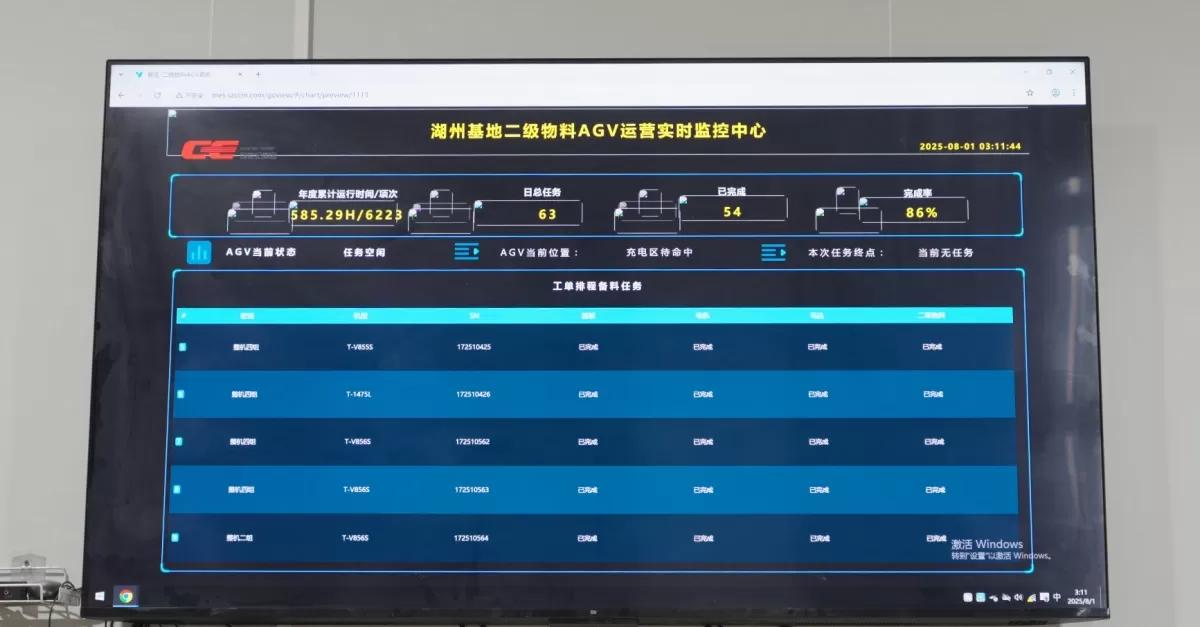
Our MES solves this by generating precise, dynamic material picking lists tied directly to active work orders. Human material handling has been replaced by an autonomous fleet of Automated Guided Vehicles (AGVs). Operating 24/7, these AGVs deliver components to assembly stations exactly when needed. This seamless integration of logistics and execution has achieved a 30% reduction in labor costs while ensuring absolute component synchronization, successfully eliminating downtime caused by material stockouts.
Comprehensive Shop Floor Digitalization & Real-Time Data Acquisition
True operational control relies on real-time visibility. Without precise, automated data collection, tracking production milestones or identifying machine-specific issues becomes reactive and error-prone.
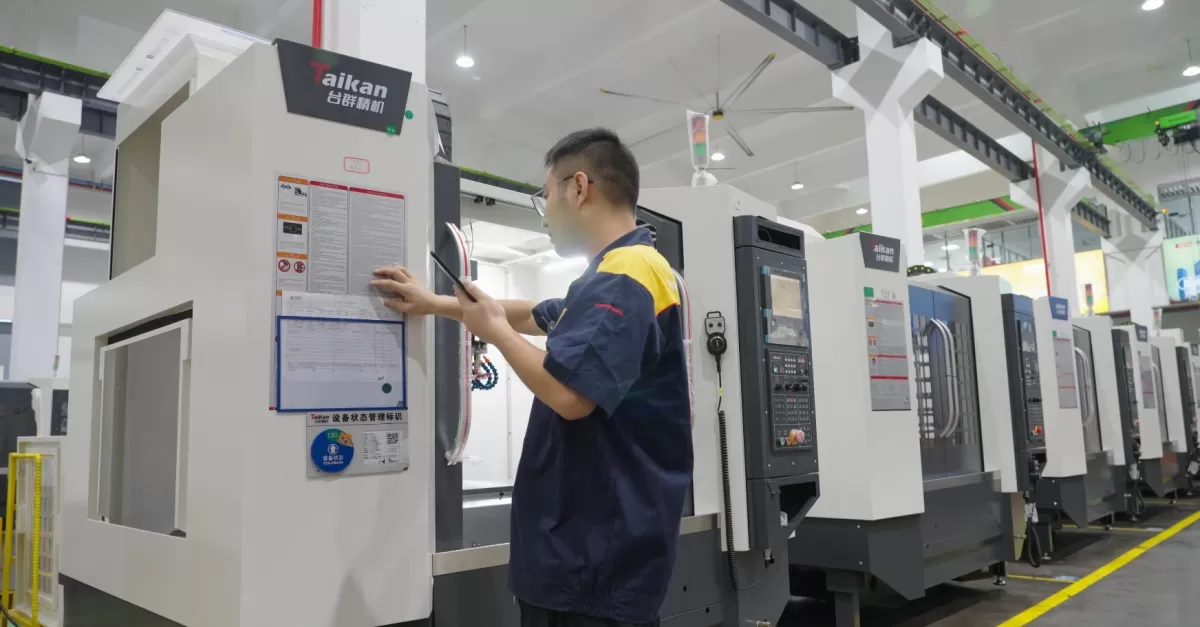
At our Huzhou facility, every single CNC machine tool is assigned a unique, permanent QR Code Digital Identity. Operators log tasks and report production milestones by scanning these identifiers at each phase of assembly. The MES automatically captures progress data, populating live digital dashboards across the facility. By transitioning from manual hour tracking to automated data collection, our tracking accuracy has risen from 85% to a perfect 100%, ensuring that every machine's manufacturing history is verified and fully traceable.
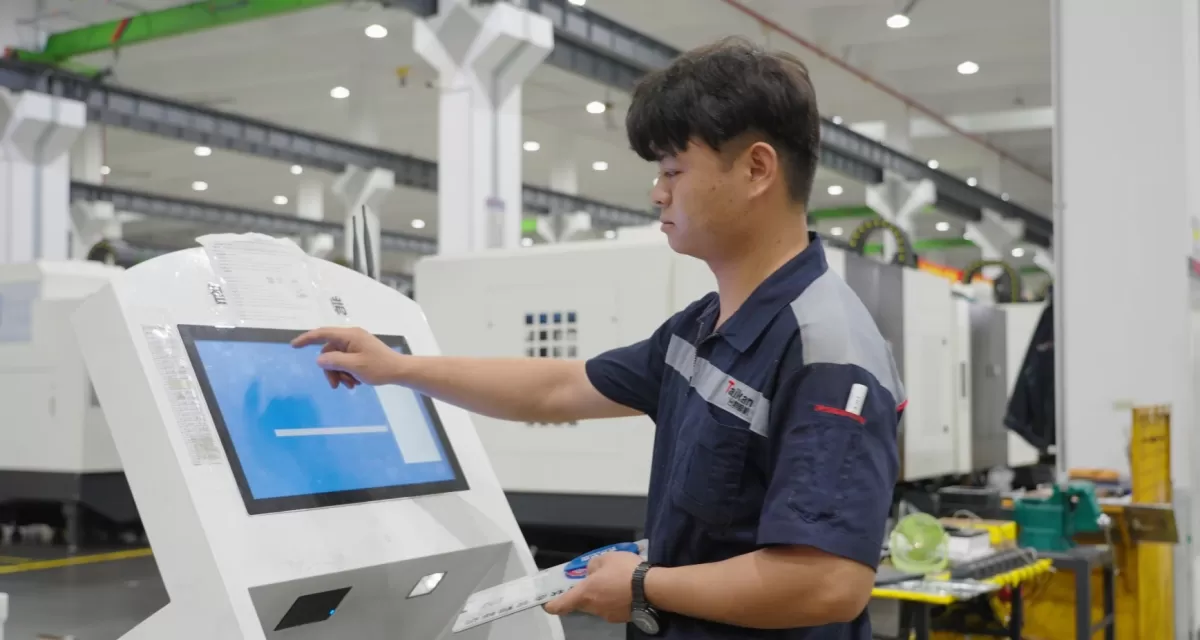
Key Performance Indicators (KPI) Comparison:
| Metric | Traditional Workflow | Taikan MES Workflow | Performance |
Order Dispatch & Scheduling | 2 Hours (Manual) | 5 Minutes (Automated) | 24x Faster |
Logistics Labor Cost | Baseline | Optimized Fleet Tracking | -30% Cost Reduction |
Production Data Accuracy | 85% (Manual Logs) | 100% (Digital Scan) | +15% Accuracy Boost |
Issue Resolution Latency | Unstandardized Tracking | Automated Escalation | -50% Resolution Time |
Digital Andon Systems: Accelerated Issue Escalation and Resolution
Unanticipated challenges on an assembly floor—whether mechanical anomalies, tooling issues, or material discrepancies—can quickly derail production schedules if communication channels are sluggish.
Taikan utilizes a digital Andon system embedded within the MES framework. When an operator encounters an issue, they scan the machine's QR code to submit a detailed alert. The system instantly routes the notification to the precise engineer or supervisor responsible. To prevent minor floor challenges from lingering, the system features built-in escalation rules: if an issue remains unresolved or unacknowledged for more than 2 hours, it automatically scales up the management hierarchy. This rigorous approach has reduced our average issue resolution time by 50%, ensuring minimal disruption to our manufacturing flow.
Advanced Quality Traceability: Bi-Directional Closed-Loop Auditing
In high-precision machine tool manufacturing, quality is not simply an inspection phase; it is an intrinsic part of the entire process. Paper-based inspection logs are vulnerable to physical damage, loss, and offer limited utility when performing retrospective quality audits.
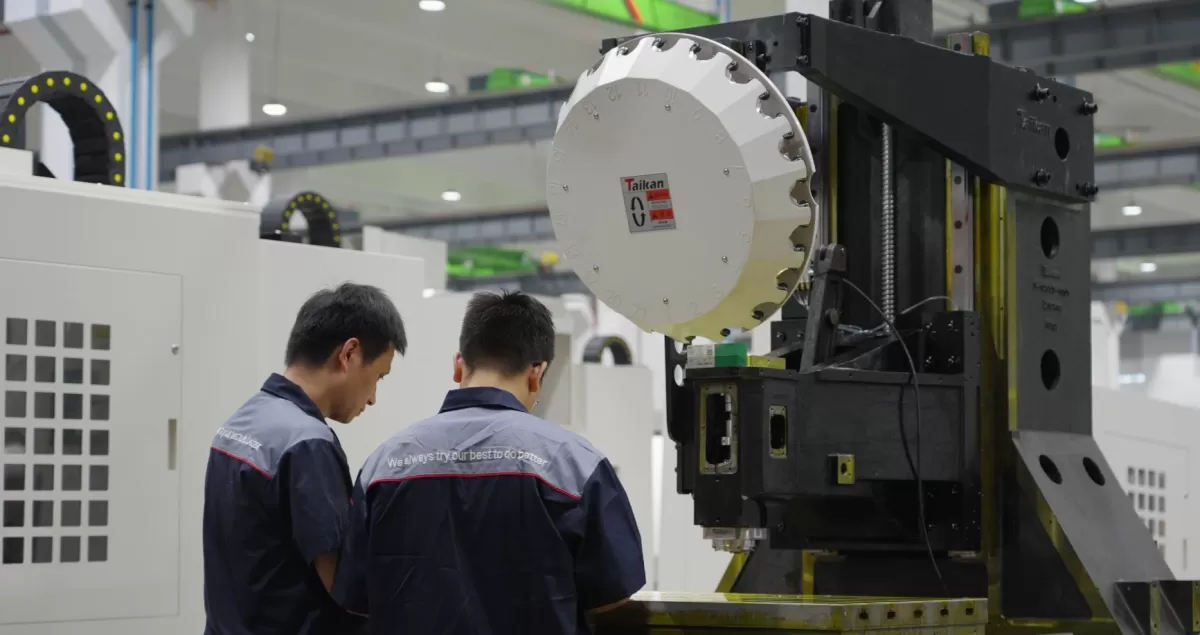
Our MES embeds strict quality inspection protocols directly into the digital workflow. Operators cannot proceed to subsequent assembly stages until the current step satisfies the systemized quality gates. Non-conformance issues are flagged and routed through automated rectification workflows, creating a closed digital loop. Crucially, by scanning the unique QR code on any core component, engineers can execute complete bi-directional traceability—auditing forward to track where specific batches were deployed, or tracing backward to pinpoint the exact station, time, and technician involved in its assembly. This has improved our overall quality traceability efficiency by 60%.
Transparent Performance Metrics & Automated 7S Compliance
A reliable manufacturing process depends on a well-organized workspace and objective workforce management. Subjective performance reviews can impact workplace morale, while paper-based facility audits often lack consistency.
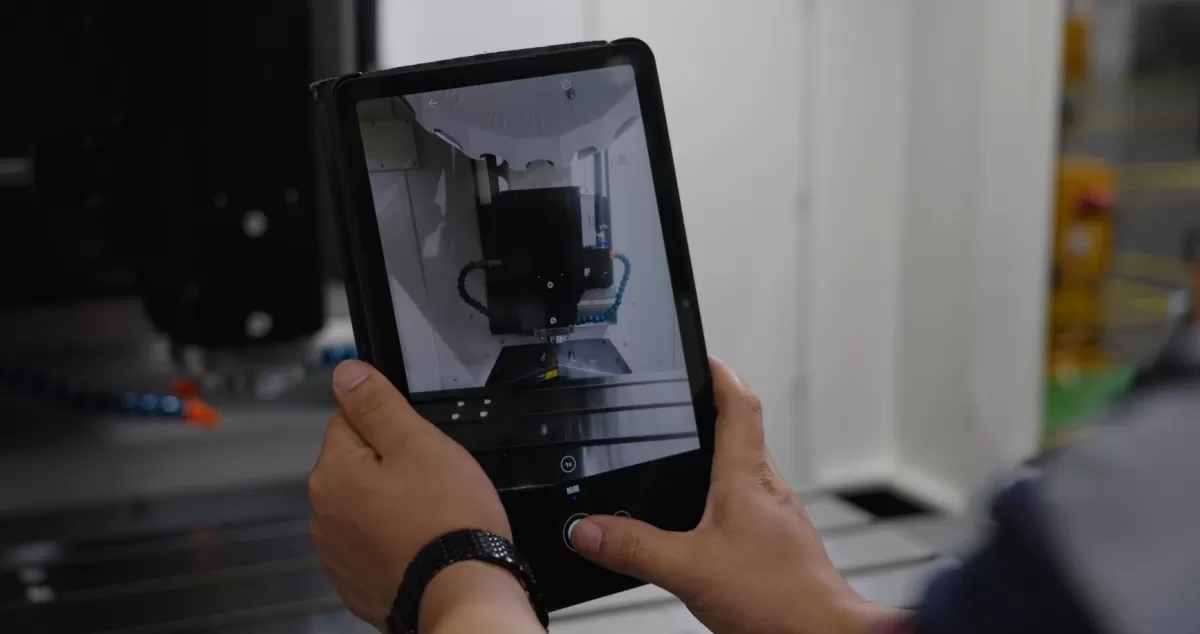
Data-Driven Performance Management: The MES objectively logs output, technical precision, and process compliance. By combining quantitative output with soft performance metrics, performance evaluations are kept transparent and verifiable. Personnel can review metrics and submit queries directly through the system, boosting workplace motivation by 25%.
Digitalized 7S Standardization: Workplace organization is strictly managed via digital 7S checklists built into the MES. Tool placement, material organization, and maintenance steps are verified digitally at every shift. This structural approach generates automated compliance analytics, maintaining our facility's 7S compliance rate at a stable 98%+.
Data-Driven Scaling and the Future of CNC Manufacturing
By connecting our shop floor operations with advanced Business Intelligence (BI) big data platforms, Taikan’s leadership team has access to real-time analytics across all manufacturing processes. Managers can run instant voice queries on mobile or floor interfaces to analyze throughput, identify operational constraints, and refine production schedules. Furthermore, the transition to paperless data exchanges has boosted process efficiency by 40%.
The definitive metric of success at our Huzhou smart manufacturing base speaks for itself: through our comprehensive MES integration, the facility currently produces 12,000 CNC machine tools annually—representing an increase of 3,000 units compared to traditional production models.
The Taikan Commitment to Precision and Scalability
From automated, 10-second order routing to closed-loop quality tracking, the integration of a Manufacturing Execution System has redefined Taikan Machine's production model. By replacing fragmented, manual procedures with an interconnected digital architecture, we ensure that every machine tool shipped meets strict parameters of accuracy, reliability, and cost-effectiveness.
As a publicly listed china machine tools manufacturer, Taikan remains dedicated to our core principles of "Customer First, Technological Innovation." By continuously refining our smart manufacturing processes, we deliver high-quality, high-reliability CNC machinery that enables our global partners to optimize their production capabilities with confidence.


