3C aluminum parts are small, light, and often produced in large batches, but they are not simple to machine. Phone frames, tablet housings, laptop parts, camera brackets, connector plates, and electronic enclosures may require drilling, tapping, light milling, chamfering, and surface finishing within a short cycle. If the machine lacks speed, rigidity, or stable tool changing, the result may be longer cycle time, burrs around holes, thread defects, or inconsistent surface quality.
A drilling and tapping center is a high-speed CNC machining center designed to combine drilling, tapping, and light milling operations in one machine, usually for small and medium precision parts that require short cycle time and stable repeatability.
For manufacturers producing 3C aluminum components, a drilling and milling center should not be selected only by spindle speed. The better approach is to match the machine with the part size, hole pattern, thread specification, fixture method, tool change frequency, and batch stability target.
Why 3C Aluminum Parts Need Fast and Stable Drilling and Tapping
3C products change quickly, and their parts usually combine thin-wall structures, decorative surfaces, and many small features. Aluminum is easier to cut than many steels, but it can still create problems when the machine, tool, coolant, or fixture is not well matched. Burr formation, unstable tapping quality, and visible tool marks may directly affect assembly and appearance.
In 3C aluminum part production, the machine is expected to keep cycle time short without sacrificing consistency. A fast spindle helps, but stable acceleration, rigid structure, quick tool change, and reliable chip removal are just as important.
Common machining requirements include:
Multiple holes and threads on small aluminum housings or plates.
Stable surface finish on visible or assembly-related areas.
Short non-cutting time during repeated drilling, tapping, and milling.
Consistent positioning accuracy across long batch runs.
Low vibration when machining thin walls, slots, and light structural features.
What Problems Slow Down 3C Aluminum Part Production?
Many factories focus on cutting speed, but the real loss often comes from non-cutting time and rework. If tool change is slow, each part loses seconds repeatedly. If tapping is unstable, operators may need manual checking or thread repair. If fixtures shift slightly between batches, hole position and surface consistency become harder to control.
For 3C aluminum parts, the most common production pain points are not only technical; they are also operational. A machine may look fast in a trial cut, but it must remain stable across thousands of parts, different operators, and repeated fixture loading.
Typical issues include:
Burrs around drilled holes due to tool wear, chip buildup, or unsuitable feed control.
Unstable internal threads caused by poor tapping synchronization or insufficient rigidity.
Long cycle time because the machine spends too much time on tool change or idle travel.
Surface variation caused by vibration, poor clamping, or inconsistent tool engagement.
Frequent manual adjustment when the fixture and machine repeatability are not stable enough.
Parameter Table for 3C Aluminum Parts Machining
| Parameter | Why It Matters for 3C Aluminum Parts | What Buyers Should Check |
| Spindle speed | Aluminum parts often require high-speed cutting for efficient drilling and light milling. | Check maximum spindle speed, spindle taper, and spindle reliability under repeated production. |
| Tool change time | 3C parts may need many small tools, so tool change efficiency affects cycle time directly. | Check tool magazine capacity, tool change structure, and practical non-cutting time. |
| Rapid traverse speed | Short movements between holes and features appear frequently in small aluminum parts. | Check X/Y/Z rapid traverse speed and acceleration stability. |
| Positioning accuracy | Hole position, thread alignment, and assembly fit depend on stable positioning. | Ask for accuracy inspection methods and machine acceptance data. |
| Fixture compatibility | Batch consistency depends on repeatable loading and stable clamping. | Confirm table size, load capacity, T-slot layout, and fixture space. |
| Chip removal | Aluminum chips may affect surface finish and tool life if not controlled. | Review coolant flow, chip management, and enclosure design. |
How a Drilling and Tapping Center Improves Cycle Time
Cycle time improvement does not come from one feature alone. In drilling, tapping, and light milling, efficiency is built from many small reductions: faster rapid movement, shorter tool change, stable spindle response, smoother axis acceleration, and less operator intervention.
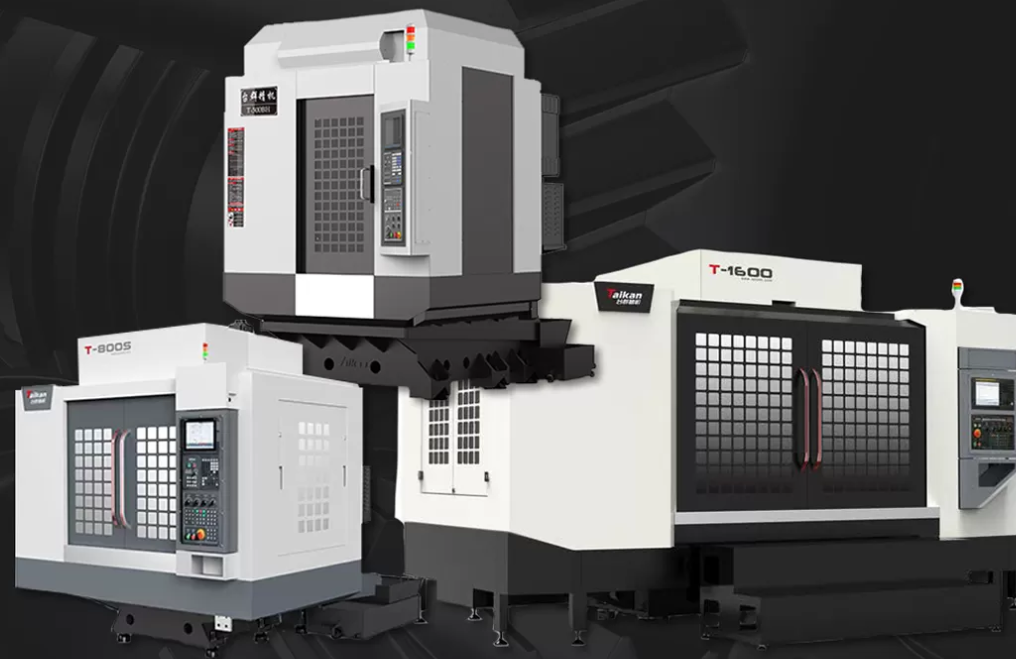
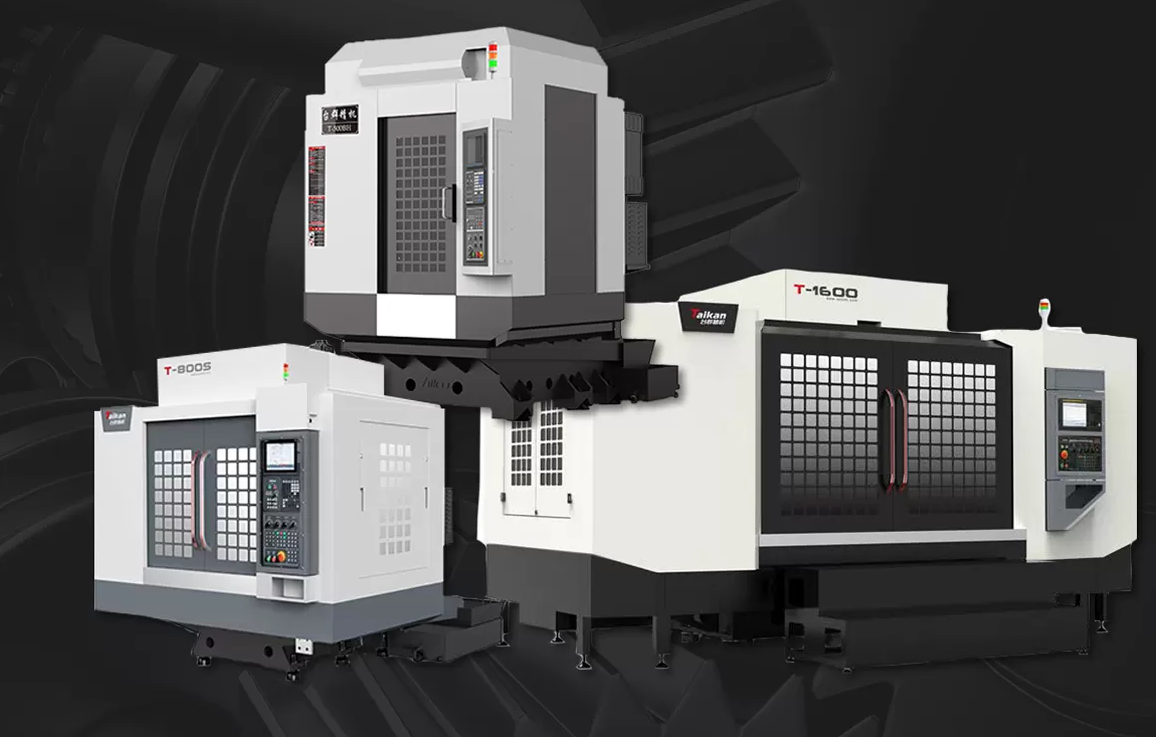
Taikan’s drilling and milling machining center range includes B Series, S Series, and SE Series models. The B Series integrates drilling, tapping, and milling in one machine, while the product category is positioned for high precision, high speed, and high rigidity. Taikan also states that more than 100,000 machines in this series have been delivered worldwide, serving consumer electronics companies and other manufacturing sectors.
For a 3C factory, the practical value is clear: the machine should reduce the time between machining actions, not only the time during cutting. When the part has repeated holes, threads, slots, and light milling features, even small savings per operation may become meaningful across batch production.
Why Surface Consistency Depends on More Than Spindle Speed
A high-speed spindle is useful for aluminum, but surface consistency also depends on rigidity, thermal control, tool condition, and fixture repeatability. Thin aluminum parts may vibrate if the cutting load is not controlled. Visible housing surfaces may show tool marks if the toolpath, spindle stability, or clamping condition changes during production.
ISO 230-2:2014 provides methods for determining the accuracy and repeatability of positioning of numerically controlled machine tool axes. For buyers, this means machine acceptance should not rely only on visual inspection. Positioning accuracy, repeatability, and real cutting tests should all be considered before production approval.
Surface consistency can be improved by controlling:
Tool sharpness and tool life management for aluminum cutting.
Stable clamping to prevent part movement or local deformation.
Proper coolant and chip evacuation to avoid chip recutting.
Consistent spindle performance during long batch runs.
Toolpath planning that avoids sudden load changes on thin walls.
When Taikan T500B Fits 3C Aluminum Part Production
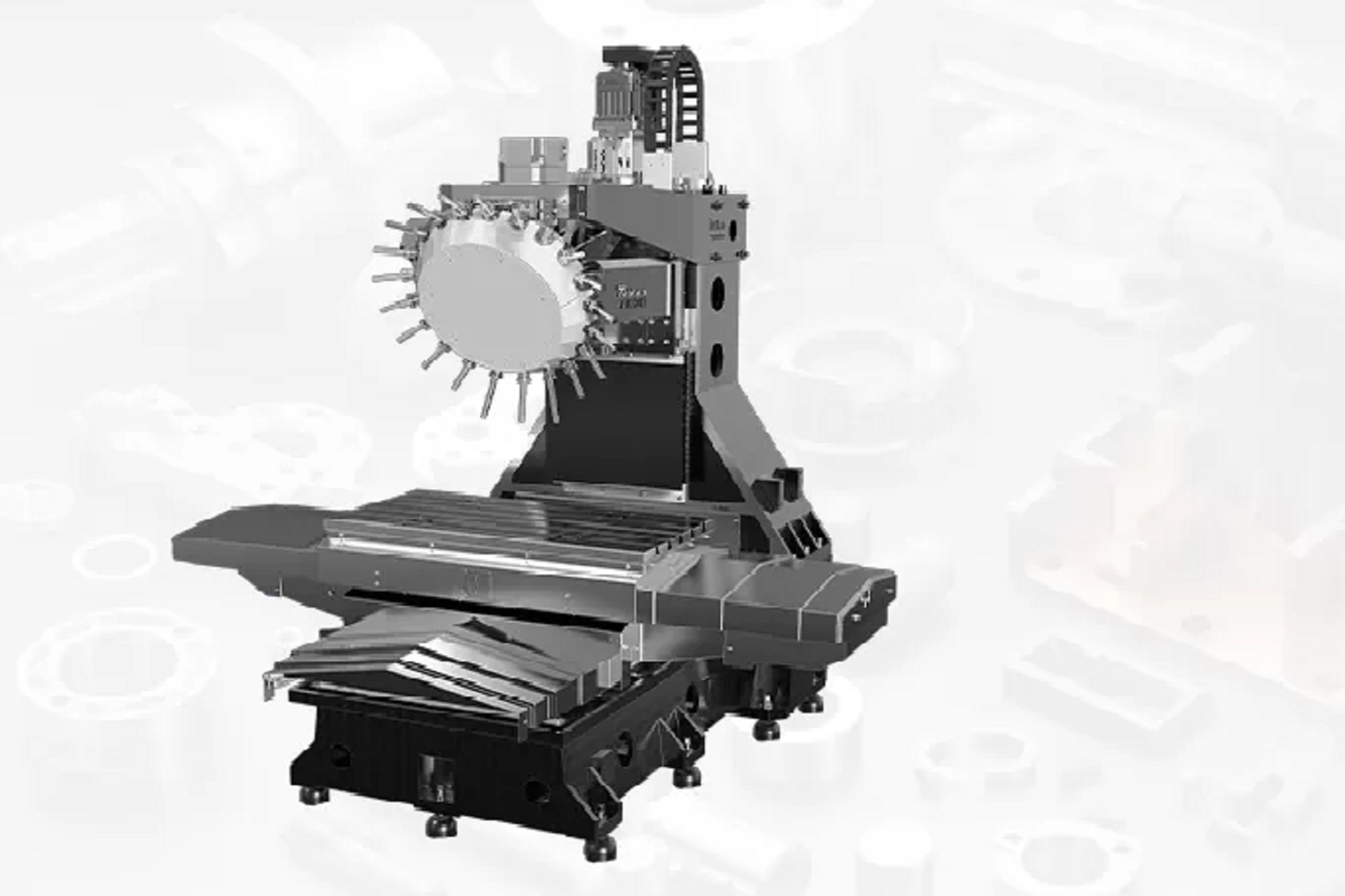
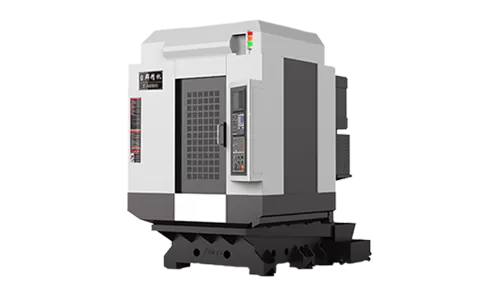
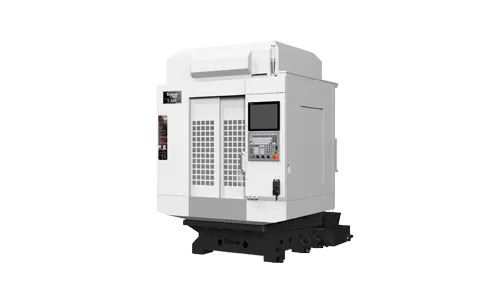
The taikan t500b is positioned as a high-speed and high-precision drilling and milling machining center. It is widely used in the 3C industry, automotive parts, small mold processing, medical devices, and other industries for small plate parts, disc-shaped parts, and housings.
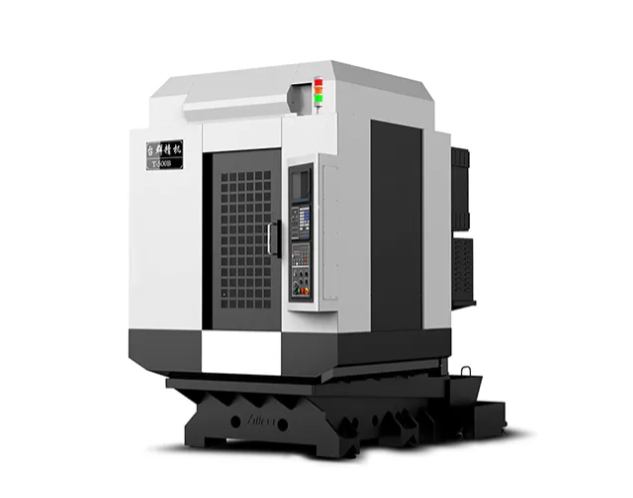
For buyers evaluating compact aluminum parts, the HT-500B specifications provide useful reference points. The machine offers 500mm X-axis table travel, 400mm Y-axis saddle travel, and 320mm Z-axis headstock travel. Its table size is 620×400mm, with a maximum load of 250kg. The spindle motor speed range is 20-24000rpm, and the X/Y/Z rapid traverse speed is 48/48/48m/min. The tool magazine capacity is 21 tools, while listed positioning accuracy is 0.006mm and repeatability is 0.004mm.
| HT-500B Specification | Value | Production Relevance |
| X/Y/Z travel | 500/400/320mm | Suitable for many small plates, housings, and compact aluminum components. |
| Table size | 620×400mm | Provides fixture space for small and medium 3C parts. |
| Max. table load | 250kg | Supports fixture and workpiece weight within compact batch production needs. |
| Spindle speed range | 20-24000rpm | Supports high-speed aluminum drilling, tapping, and light milling. |
| Rapid traverse speed | 48/48/48m/min | Helps reduce non-cutting time between repeated features. |
| Tool magazine | 21 tools | Supports multi-tool processes without frequent manual intervention. |
Drilling and Tapping Center vs VMC for 3C Aluminum Parts
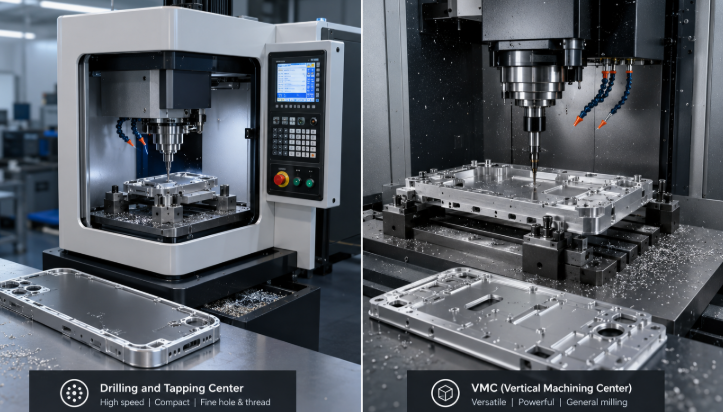
A vertical machining center is more versatile for many general machining tasks, but a drilling and tapping center can be more suitable when the workpiece is small, the material is aluminum, and the process includes many holes, threads, and light milling steps. The decision should be based on the part process, not only machine category.
| Factor | Drilling and Tapping Center | Vertical Machining Center |
| Best-fit parts | Small aluminum parts, plates, housings, and threaded components | Broader molds, plates, brackets, and mixed machining tasks |
| Cycle time | Often stronger for drilling/tapping-heavy small parts | More flexible, but may not be as fast for repeated small features |
| Machine footprint | Usually compact for high-volume small-part production | Often larger, depending on travel and rigidity needs |
| Process focus | High-speed drilling, tapping, and light milling | General milling, drilling, and heavier machining |
Conclusion
For 3C aluminum parts, faster production depends on more than spindle speed. Buyers should evaluate machine rigidity, tool change efficiency, rapid movement, positioning accuracy, fixture support, and chip control. A suitable drilling and tapping center can improve cycle time and surface consistency when matched with the right part process.
FAQ
Why is a drilling and tapping center suitable for 3C aluminum parts?
It is suitable because many 3C aluminum parts require repeated drilling, tapping, and light milling on small workpieces. A compact high-speed machine can reduce non-cutting time and support stable batch production.
How does a drilling and tapping center improve cycle time?
It improves cycle time through high spindle speed, fast axis movement, efficient tool changing, and reduced idle travel between small features such as holes, threads, and milled slots.
Can a drilling and tapping center replace a vertical machining center?
Not always. It can be a better choice for small aluminum parts with many drilling and tapping operations, while a vertical machining center is usually more flexible for heavier cutting, larger parts, and broader milling tasks.
What should buyers check before choosing a drilling and tapping center?
Buyers should check workpiece size, material, fixture method, spindle speed, tool magazine capacity, rapid traverse speed, positioning accuracy, repeatability, and after-sales support.
Is Taikan T500B suitable for 3C aluminum housings?
It can be considered for compact aluminum housings, plates, and similar 3C parts when the part size, fixture plan, tolerance target, and process route match the HT-500B work envelope and specifications.
Wayne Zhao
Chief Technical Expert, Taikan Machine
A CNC expert with 10+ years of experience in control systems and machining.
Formerly with Siemens and FANUC, Wayne specializes in system commissioning, 5-axis programming, and integrated machining applications. He is dedicated to transforming technical expertise into actionable industry insights.

 Español
  português
  русский
  العربية
  Türkçe
  français
  Deutsch
  italiano
  ไทย
ไทย  tiếng việt
  Polska
  Malay
Malay  हिंदी
हिंदी  Indonesia
  ಕನ್ನಡ
ಕನ್ನಡ 

 Vertical Machining Center Drilling and Milling Machining Center Profile Machining Center Horizontal Machining Center 5-Axis Machining Center Gantry Machining Center CNC Lathe CNC Swiss-Type Automatic LatheS series Standard Edition with 3-Axis Linear Guide Rails H Series Advanced Edition with 3-Axis Linear Guide Rails M Series Excellent Rigidity T-V Series Light Cutting W Series Hub Machining L Series Two Rails and One Hard Rail T Series 3-Axis Hard Rail HDT Series High Precision Vertical Machining CenterB Series Drilling & Milling Machining Center S Series Drilling & Milling Machining Center SE Series Drilling & Milling Machining CenterT Series Moving Column Type & BT30 (Tilt-Disc Tool Magazine) V Series Moving Column Type & BT40 (Tilt-Disc Tool Magazine)HT-H11 Horizontal Machining Center HHQ5 High Rigidity Horizontal Machining Center HDH-63 Horizontal Machining Center HDH-100S Horizontal Machining CenterT-U Series 5-Axis Tapping Machining Center V-U Series Vertical 5-Axis Machining Center FH Series 5-Axis Milling and Turning Machining Center CX700-2000 Seven-axis Five-simultaneous Milling And Turning Machining CenterG-V Series 3-Axis Linear Guides G-VU Series 5-Axis Gantry Machining Center G-BU Series Bridge 5-Axis Gantry Machining Center