How Does a VMC Machine Work? Vertical Machining Center Working Principle
Views: 0 Author: Site Editor Publish Time: 2026-03-20 Origin: Site
Vertical Machining Centers (VMCs) have revolutionized the manufacturing industry by delivering exceptional precision and efficiency. This article will dive into the intricate workings of VMC machines, exploring their operational principles, the role of software, the machining process, performance factors, and common challenges faced in their operation. By elucidating these key topics, readers will gain a better understanding of how VMCs contribute to industries such as aerospace and consumer electronics, paving the way for technological advancement.
Basic Working Principles of VMC Machines
A Vertical Machining Center (VMC) operates by using a vertically oriented spindle that rotates cutting tools to remove material from a workpiece. This design enables multiple machining operations, including milling, drilling, tapping, and contouring, within a single setup. During operation, the CNC control system sends precise commands to the machine's servo motors, controlling the movement of the spindle and the worktable along the X, Y, and Z axes. The synchronization between spindle rotation and axis movement allows the VMC to produce complex geometries with high accuracy and repeatability.
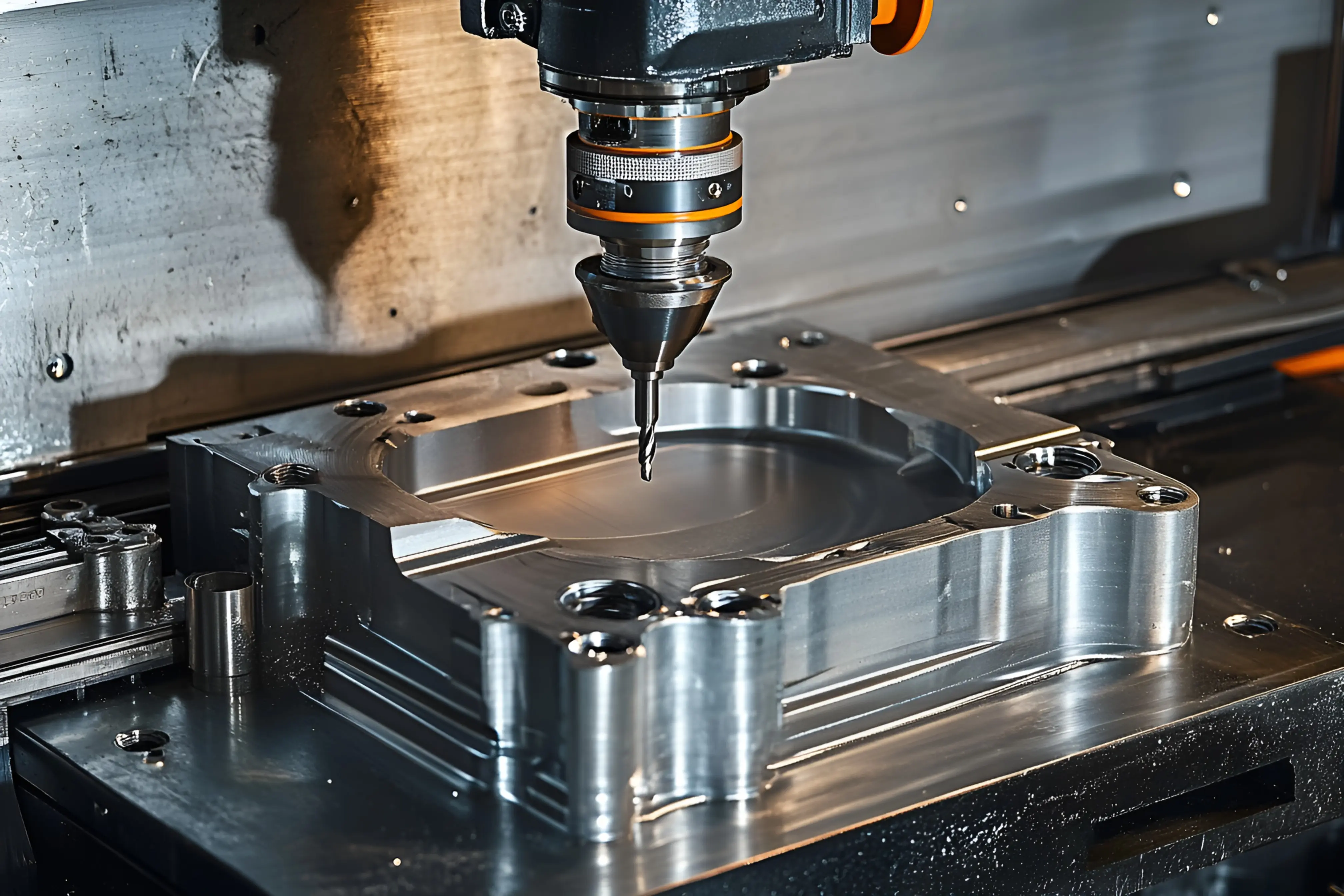
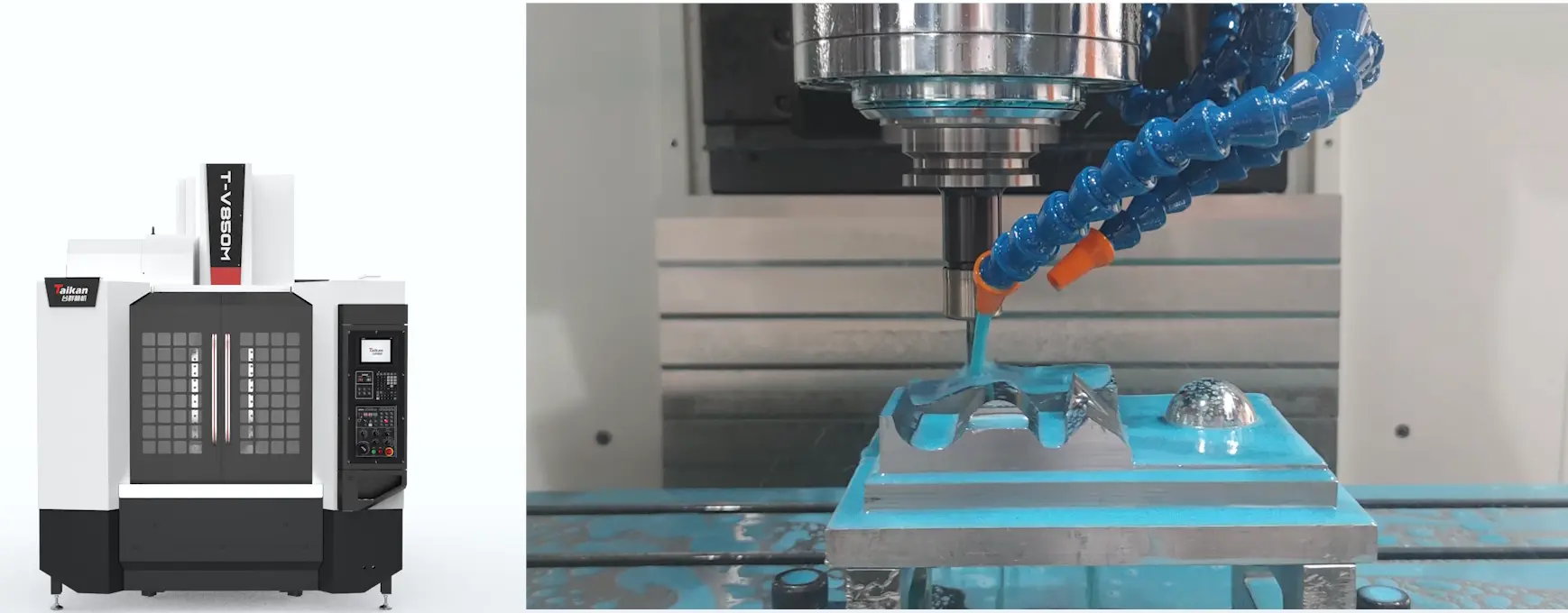
Modern CNC vertical machining centers are designed with high-rigidity structures to ensure stability during high-speed machining. Advanced models such as the vmc 850 machining center feature rigid cast-iron frames and optimized structures that reduce vibration and enhance machining precision. In addition, closed-loop control systems provide continuous feedback on machine position and cutting conditions. This real-time monitoring allows operators to adjust machining parameters quickly, improving machining efficiency and product quality.
The Role of Software in VMC Operations
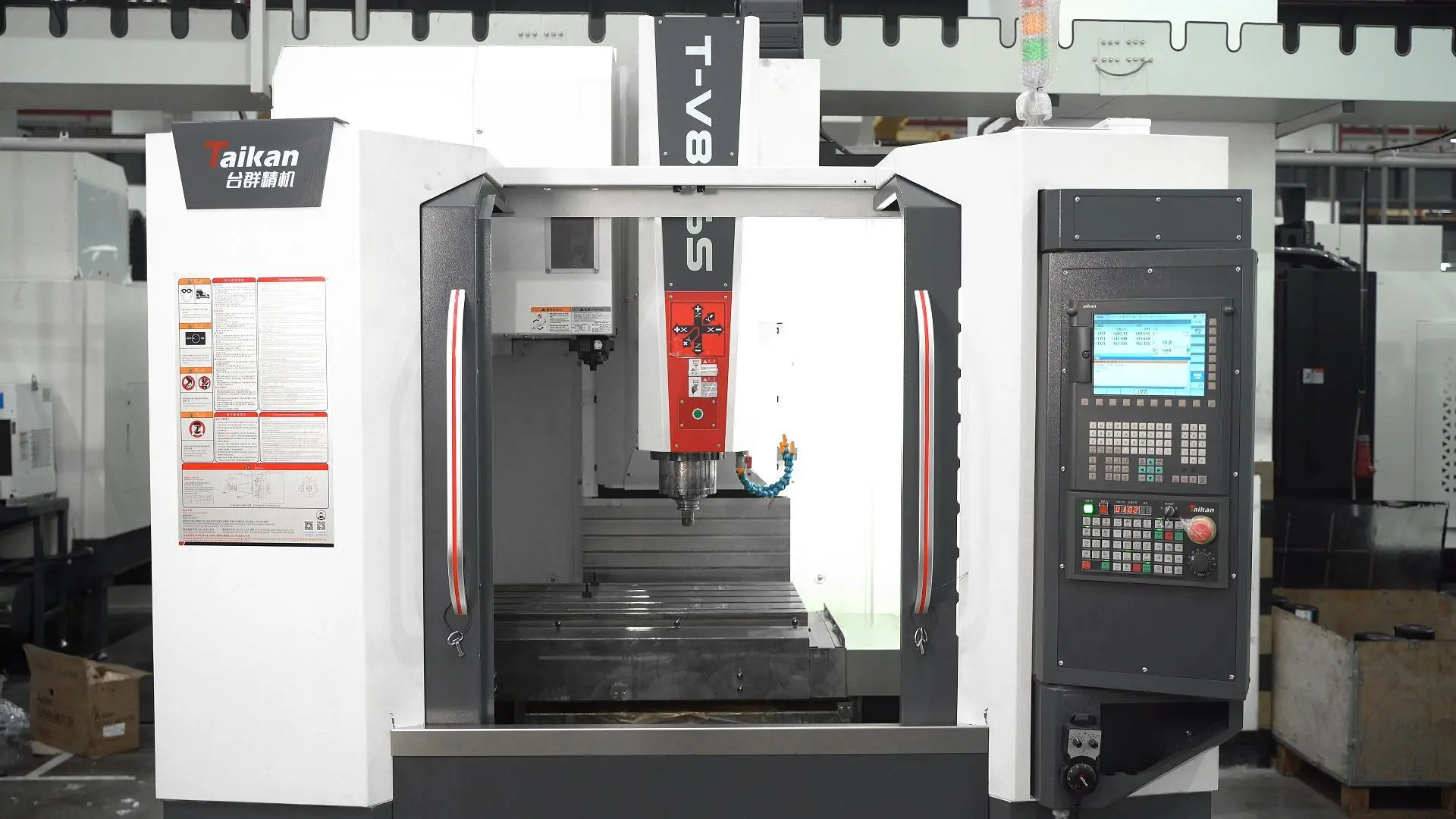
The efficiency and capabilities of VMC machines are significantly enhanced by sophisticated software systems that facilitate operations. These programming interfaces, often utilizing G-code, provide precise instructions on tool movement and operation sequences. Advanced software solutions allow for simulation before machining, decreasing errors and optimizing tool paths to minimize wasted materials. Taikan Machine integrates smart software into their VMC operations, promoting intelligent manufacturing approaches. For example, users can leverage automatic tool changers that are intelligent enough to determine the best tool needed for each machining step based on the CAD/CAM data input. Additionally, real-time monitoring systems not only track the performance of each machine but also predict potential maintenance needs, ultimately leading to reduced downtime and increased productivity. Moreover, these software systems are designed to be user-friendly, enabling operators to quickly adapt and maximize the capabilities of their VMCs. The seamless interaction between machinery and software is pivotal in achieving precision and reliability that industries demand.
Understanding the Machining Process
The machining process in a VMC begins with the setup of the workpiece, which is securely clamped onto the worktable. This setup is followed by the selection of the appropriate cutting tool, which is determined by the material of the workpiece and the desired finish. A typical machining cycle involves several steps: loading the program, executing the machining commands, and performing quality checks on the produced part. To illustrate, consider the case of producing intricate components for the aerospace industry. A VMC can precisely carve out complex shapes from metals like titanium or aluminum using a variety of cutting strategies such as trochoidal machining to maintain efficiency and accuracy. The flexibility of Taikan's VMC models to execute these challenging tasks emphasizes their utility across varying sectors. By applying principles of physics, such as the management of cutting forces and heat generation, operators can anticipate potential challenges during the machining process. This understanding is vital for achieving optimal performance and longevity of not just the tool but the VMC itself.
Factors Affecting VMC Performance
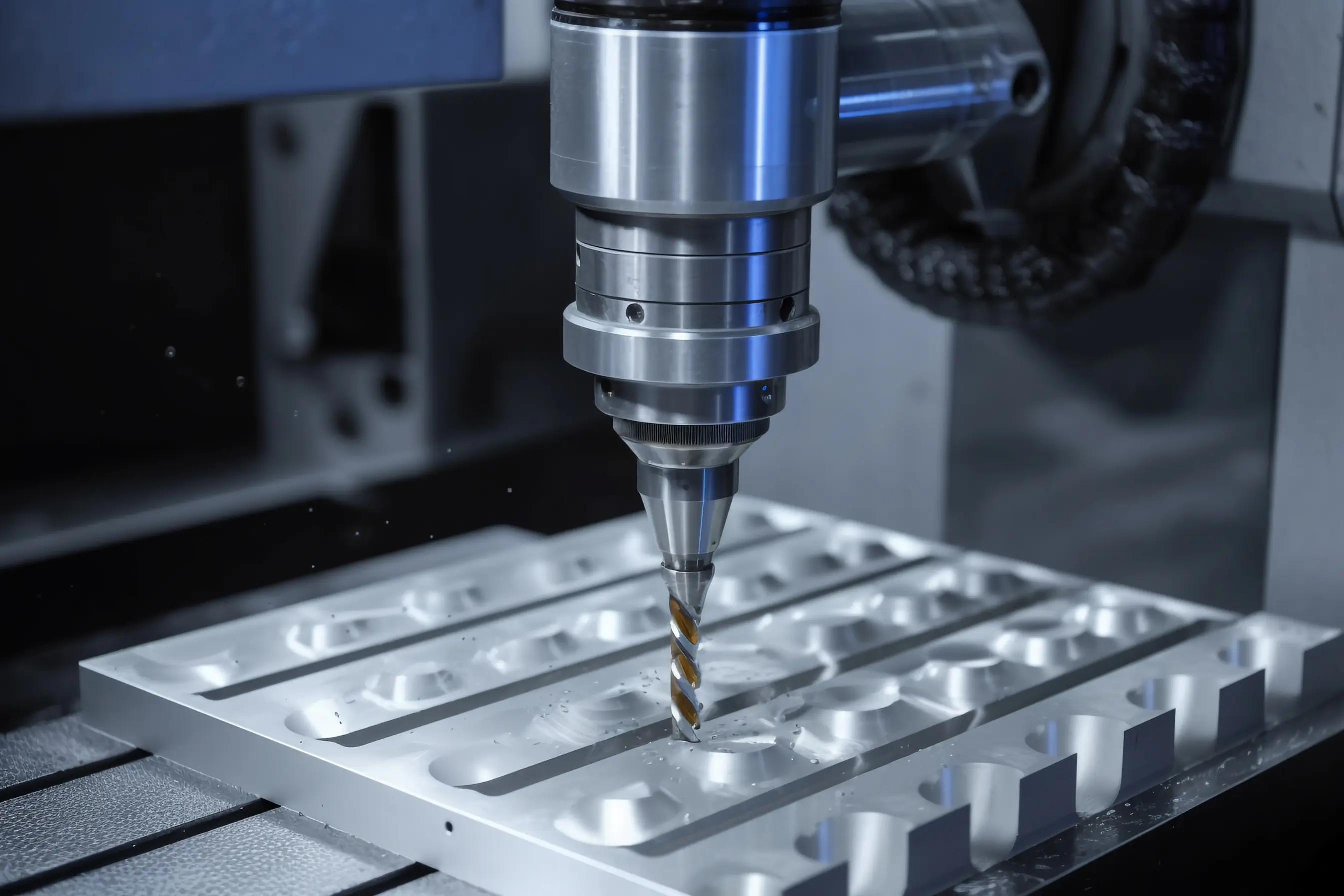
Several factors influence the performance of a vertical machining center (VMC), including machine rigidity, thermal stability, cutting parameters, tooling quality, and operator expertise. These elements work together to determine machining accuracy, efficiency, and overall productivity.
Machine rigidity is critical for maintaining stability during high-speed operations. A rigid structure helps reduce vibration and improves cutting precision. Advanced VMC machines, such as those developed by Taikan, use high-rigidity designs to ensure stable performance during complex machining tasks.
Cutting parameters also play an important role. Properly balancing cutting speed, feed rate, and depth of cut can significantly improve efficiency while preventing excessive tool wear or damage to the workpiece. Finding the optimal combination helps maximize both machining performance and tool life.
Tool selection and tooling quality directly affect machining results. High-quality cutting tools improve surface finish, extend tool life, and enhance machining accuracy, especially in high-precision applications.
Finally, operator experience and training remain essential. Skilled operators can optimize machining strategies, adjust parameters effectively, and ensure that VMC machines operate at their full potential.
Common Challenges in VMC Operations
While VMC technology offers tremendous benefits, several challenges can impede its efficacy. Issues such as tool wear, machine downtime, and material inconsistencies can lead to inefficiencies in production. To combat these, cnc vertical machining center supplier like Taikan Machine emphasize robust quality assurance practices and rigorous training programs for operators. Moreover, potential programming errors or lack of adherence to maintenance schedules can result in decreased machine reliability. It’s advisable for users to implement regular training and utilize monitoring systems that alert operators of maintenance needs. By making strategic decisions based on real-time data, manufacturers can significantly enhance the performance and longevity of their VMCs. The integration of automation can also address labor shortages and skills gaps, allowing VMCs to perform complex tasks with minimal human intervention, thus improving efficiency. By being proactive in addressing these challenges, businesses can fully leverage the capabilities of VMC technology.
Vertical Machining Centers represent an incredible advancement in manufacturing technology, enabling precision and efficiency across various sectors. Understanding the inner workings of these machines—from their basic principles of operation to the software that drives them—equips manufacturers to optimize their production processes. Brands like Taikan Machine are at the forefront of this revolution, offering innovative VMC solutions that continue to set the standard in the industry. As technology advances, embracing these machines will be key to maintaining competitiveness in an ever-evolving market.


