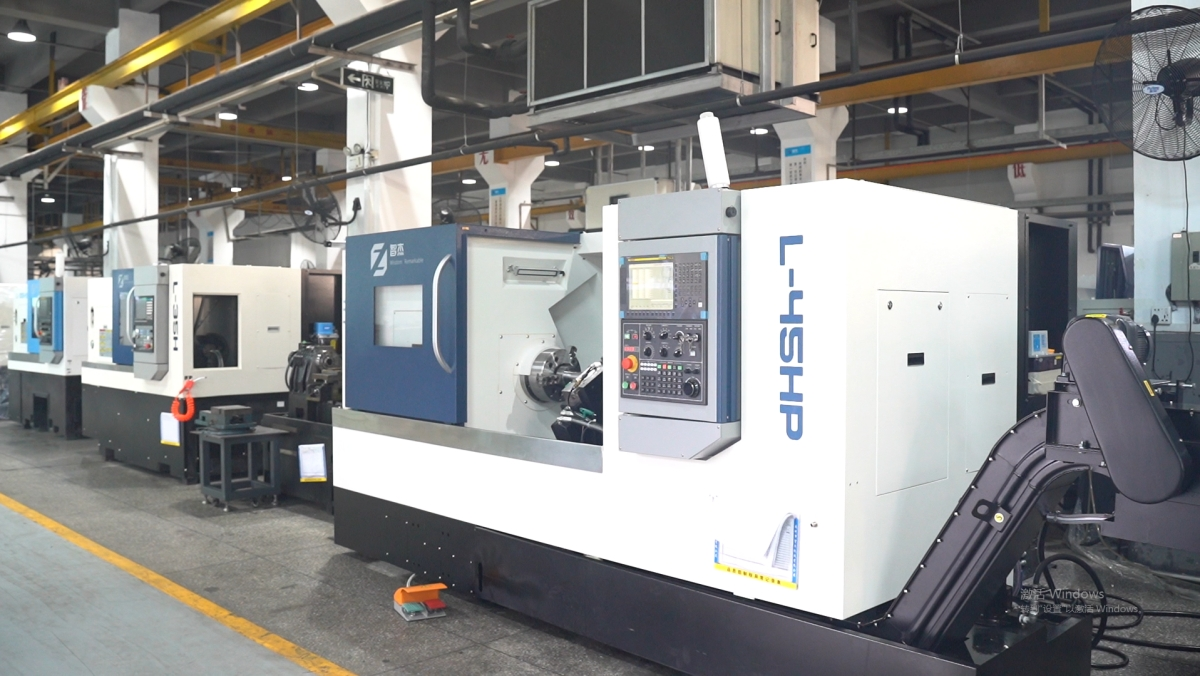
How to Choose a CNC Lathe Machine: A Strategic Guide for Modern Machine Shops
Views: 0 Author: Site Editor Publish Time: 2026-08-09 Origin: Site
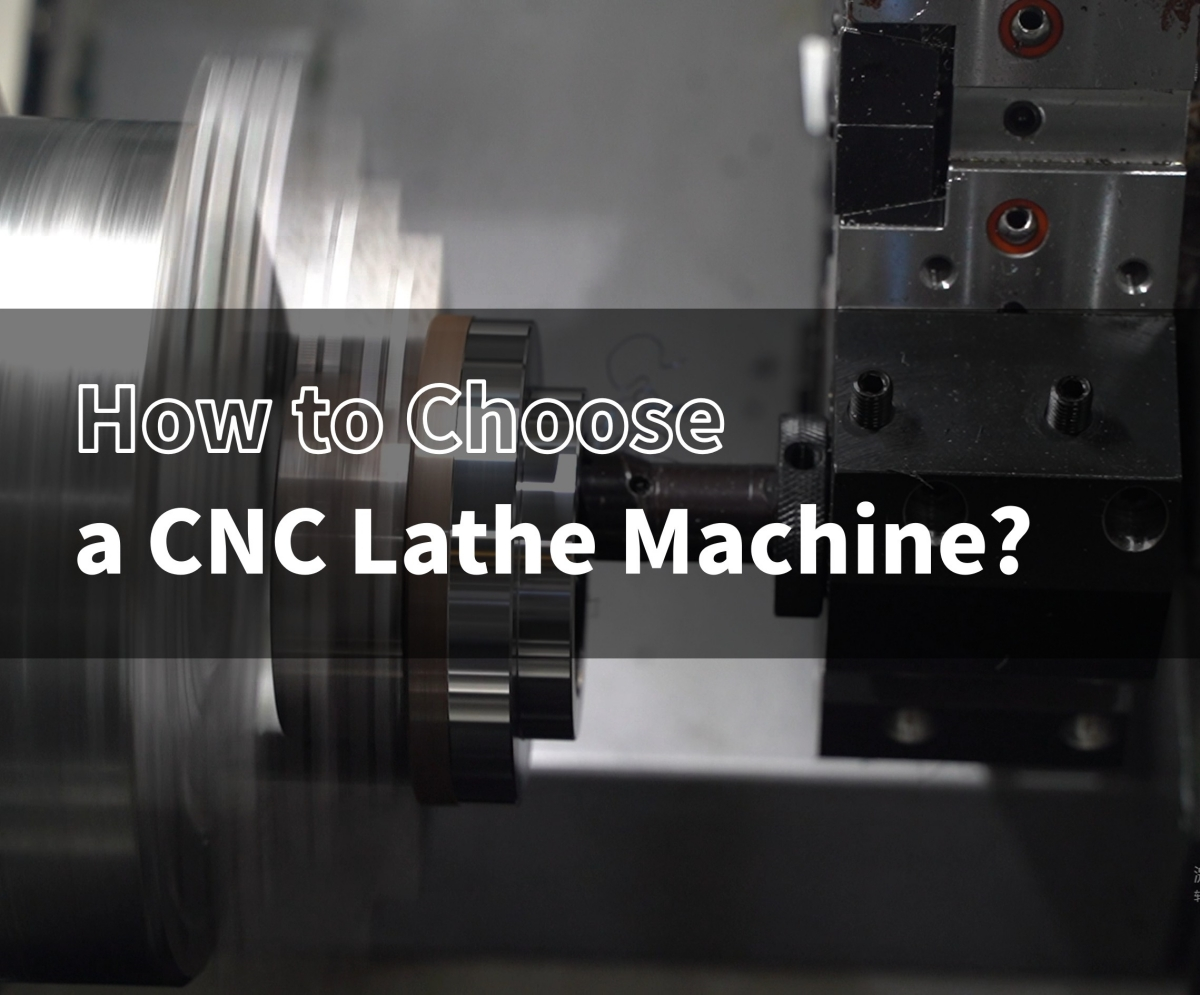
Investing in a new CNC lathe machine is more than just adding another asset to your floor—it’s a direct commitment to your shop’s future throughput and profitability. Whether you are running high-volume contract manufacturing, machining highly precise general automotive testing pieces, or producing complex aerospace components, the iron you choose determines your cost-per-part and your edge over the competition.
But evaluating a turning center goes far beyond scanning a basic specification sheet. To maximize your return on investment, you need to align the machine’s architecture, thermal dynamics, and tooling flexibility with your exact production goals.
If you are looking to scale your turning operations, here is a practical, expert-led framework to help you make the right choice.
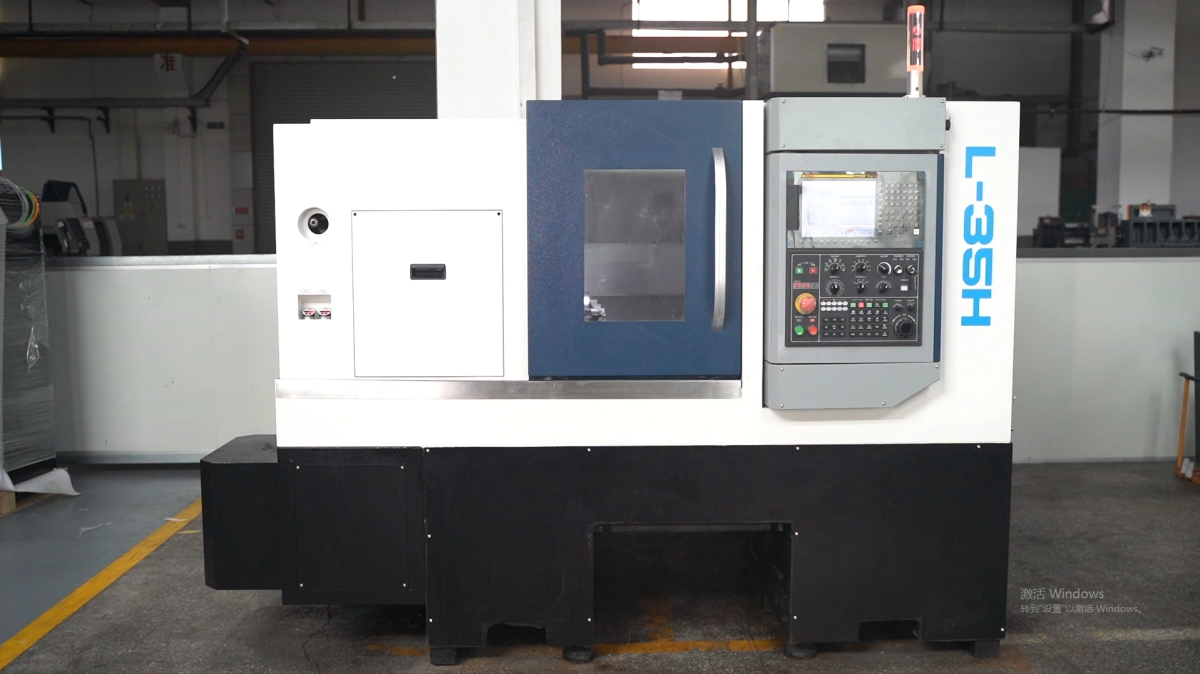
Size the Machine for Your Toughest Parts
It is tempting to buy the biggest machine your budget allows, but oversized machines can waste floor space and slow down cycle times on smaller parts. Instead, map your machine envelope closely to your actual workpiece geometry.
You need to evaluate three strict boundaries:
Max Turning Diameter & Swing: The "swing" tells you the absolute maximum part size that can rotate over the bed, but the actual turning diameter is usually smaller due to tool clearance. Always plan for tooling interference.
Z-Axis Travel (Max Turning Length): Make sure the distance between the spindle nose and tailstock accommodates your longest shafts while leaving plenty of room for drill bits and boring bars to retract safely.
Spindle Bore (Bar Capacity): If you plan to run automated lights-out production using a bar feeder, your spindle bore is the ultimate bottleneck. Ensure it can swallow the raw stock diameters you work with most frequently.
Match Spindle Dynamics to Your Material
Your spindle is the heart of the metal-cutting process. The materials you typically machine should dictate whether you prioritize raw torque or high-speed RPMs.
Low-End Torque for Heavy Hogging: If your shop specializes in tough superalloys, stainless steels, or large-diameter cast iron, you need a spindle that delivers massive torque at lower speeds. This prevents stalling during heavy depths of cut and roughing operations.
High RPM for Fine Finishing: Conversely, if you are turning non-ferrous materials like aluminum, brass, or small-diameter pins, high spindle speeds are critical. High RPMs maintain the necessary surface footage to achieve mirror-like finishes and aggressively short cycle times.
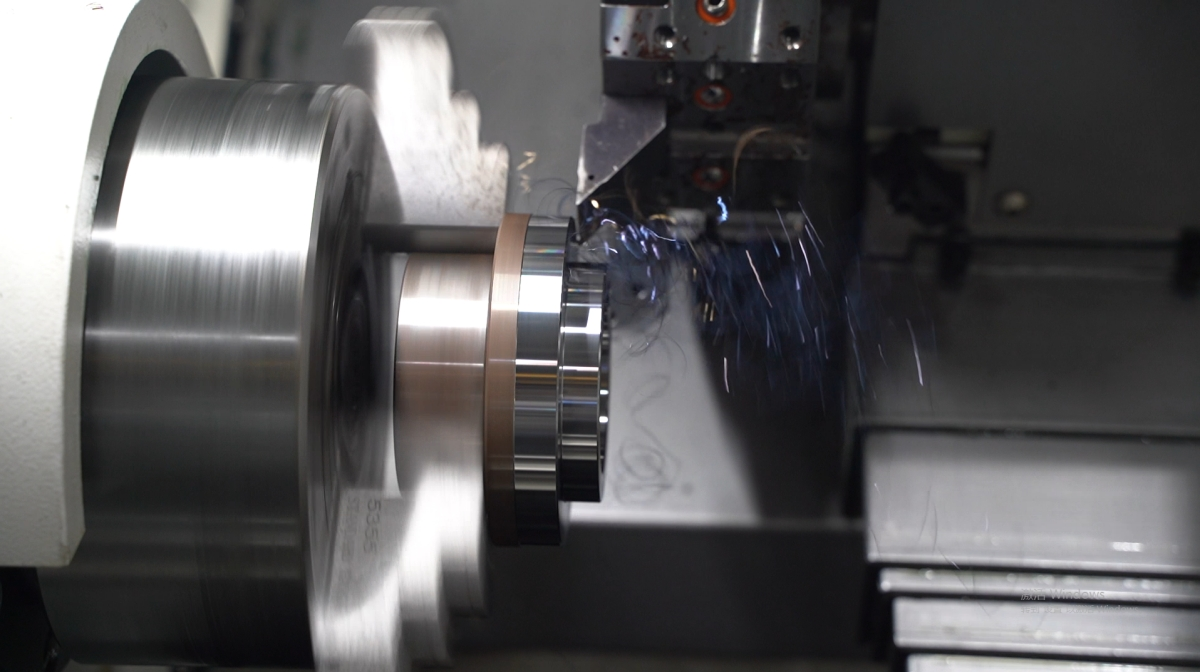
Think "Done-in-One": Turrets and Live Tooling
Every time an operator touches a part to move it to a secondary milling machine, you lose money, waste time, and introduce stack-up alignment errors.
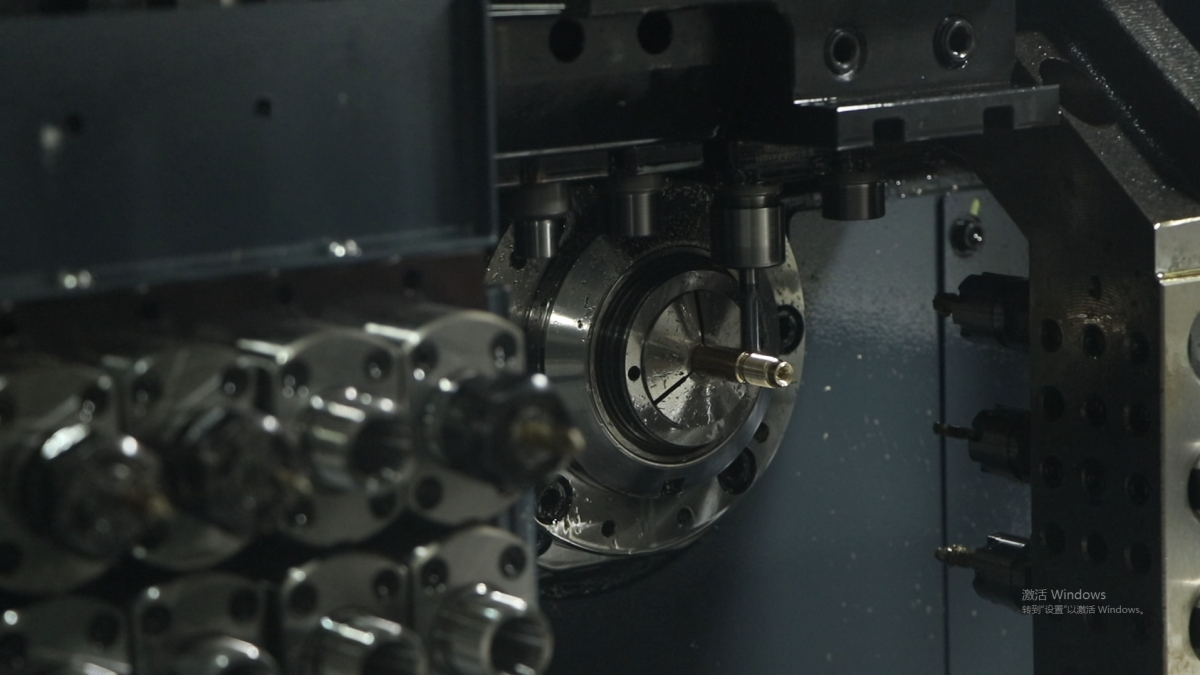
Modern CNC lathe machines solve this through advanced turret configurations. While a standard 10- or 12-station turret handles basic turning, upgrading to a machine equipped with live tooling and full C-axis or Y-axis capabilities allows you to mill, drill, tap, and slot on the exact same machine. For shops evaluating a cnc lathe machining center, these integrated functions are especially valuable when parts require both turning and secondary milling operations. Dropping a completely finished part into the catcher right off the lathe drastically reduces your floor-to-floor time.
Prioritize Heavy Iron and Slant-Bed Architecture
Chatter is the enemy of tool life and precision. High cutting speeds and heavy interruptions generate severe vibrations that only physical mass can absorb.
Look for turning centers built on heavy, single-piece cast iron bases. A true slant-bed design (typically angled at 30 or 45 degrees) is the industry standard for a reason. It lowers the machine's center of gravity, provides exceptional structural damping, and uses gravity to ensure hot, abrasive chips fall cleanly away from the work zone—preventing thermal distortion from ruining your tolerances during long shifts.
The Global Advantage: Why Top Shops Choose Taikan Machine
Understanding what makes a great lathe is only half the battle; knowing who to partner with for that machine is just as critical. High-volume, internationally competitive machine shops demand more than just good iron—they require rapid deployment, unwavering reliability, and factory-direct support.
For international buyers researching the cnc lathe machine china market, manufacturing capacity, quality-control processes, technical support, and spare-parts availability should be evaluated alongside the machine specification.
As a publicly listed, globally recognized machine tool manufacturer, Taikan Machine engineers precision CNC turning centers designed to meet the rigorous demands of world-class facilities.
When you integrate a Taikan Machine into your fleet, you gain distinct advantages:
Uncompromising Precision: Our lathes are engineered for thermal stability and high-efficiency machining, holding the tightest tolerances shift after shift.
Market-Leading Delivery: Thanks to our massive manufacturing scale, we eliminate the frustrating, months-long wait times typical of legacy builders. We get you cutting metal faster.
Worldwide Support Architecture: We protect your uptime. Our comprehensive global service network ensures that expert engineering support is always within reach.
Scaling your manufacturing footprint requires a partner capable of moving at your speed. Contact the engineering team at Taikan Machine today to evaluate your part prints, and let us configure a high-efficiency CNC turning solution that drives your profitability forward.