Taikan CNC Machining Solution for Smartphone Parts
Views: 0 Author: Site Editor Publish Time: 2026-07-30 Origin: Site
As smartphone designs get thinner and use premium finishes, CNC machining in the 3C electronics industry must meet stricter standards. Today's component manufacturers must deliver extreme precision, flawless surface quality, and high-volume consistency—all while keeping costs down.
Meeting these tough standards requires exceptional machine stability and rigidity. As an experienced machine tool manufacturer, we created this complete guide to help you choose the right CNC equipment. This will meet your smartphone production needs and help you boost yield rates.
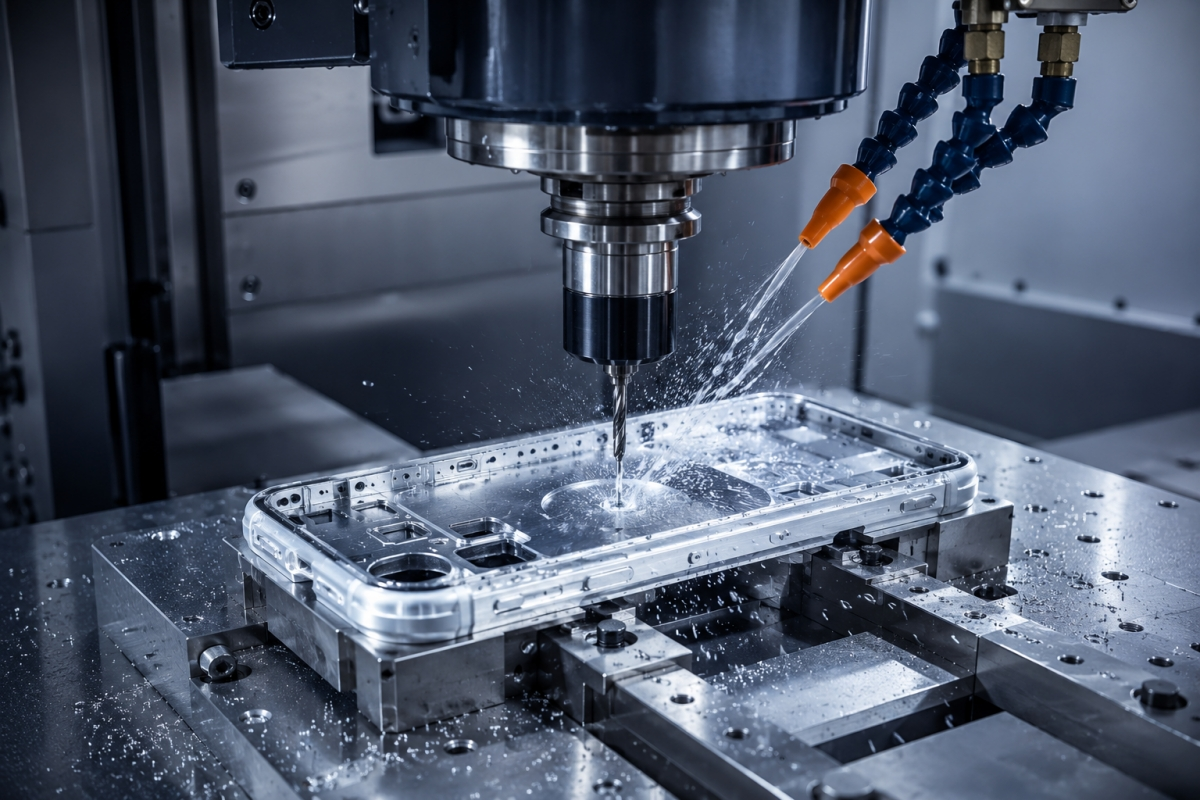
Why Machine Rigidity Matters in Smartphone CNC Machining
A simple, flat aluminum workpiece must go through many CNC machining steps before it becomes a finished structural part. In fact, manufacturers typically remove over 90% of the original material to create a lightweight yet precise frame.
Every detail—including chamfers, speaker openings, button pockets, charging ports, and cosmetic surfaces—depends on stable cutting conditions. Because each machining step builds on the last one, even microscopic vibrations can ruin the final product.
When a machine tool lacks rigidity, heavy cutting forces cause the structure to bend and vibrate. This instability leads to:
Dimensional variation
Surface chatter marks
Reduced tool life
Inconsistent part quality
Lower production yield rates
For smartphone makers, strict tolerances and flawless finishes are essential. Therefore, maintaining stable machining is no longer optional—it is a requirement.
How Machine Rigidity Directly Affects Yield Rates
Rigidity affects almost everything in precision machining. A rigid machine tool structure resists bending under heavy cutting loads. This keeps the spindle, guideways, and machine body perfectly in place throughout the cycle. The result is consistent cutting forces, smoother tool movement, and better dimensional repeatability.
On the flip side, weak rigidity introduces vibrations during high-speed cutting. This makes it impossible to maintain accuracy over a long shift. The result is often seen in:
Increased dimensional errors
Surface defects that require costly rework
Shorter cutting tool life
Inconsistent quality between production batches
Lower first-pass yield
As global smartphone production scales up, accuracy on a single part isn't enough. Manufacturers need machining platforms that stay perfectly stable over thousands of continuous cycles. When evaluating a china machine tool for high-volume smartphone component production, buyers should therefore examine structural rigidity, long-term repeatability, thermal stability, and performance under continuous cutting loads.
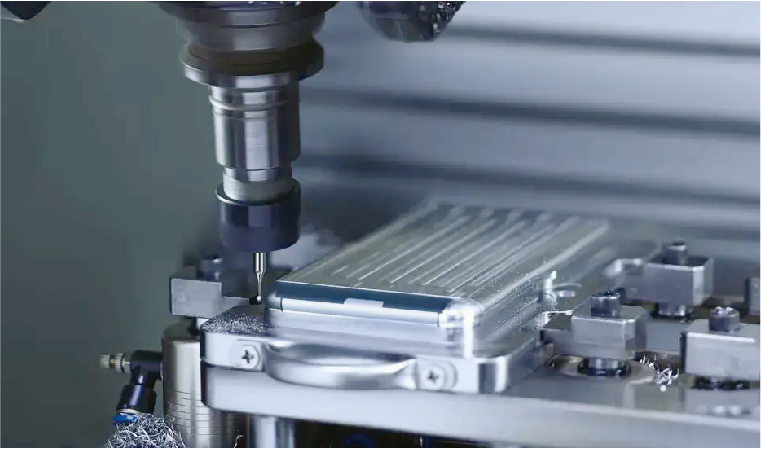
Common Challenges in Smartphone Component CNC Machining
Challenge 1: Achieving Stable Precision During High-Speed Machining
Modern smartphone parts are compact and have incredibly tight tolerances. To stay productive, manufacturers must also run spindles at extremely high speeds. This combination places extreme stress on the machining center.
Any structural vibration during high-speed cutting immediately damages accuracy, surface finish, and consistency. For factories making thousands of identical parts daily, repeatable precision is much more valuable than occasional peak speed. You need a platform built around structural strength, not just spindle speed.
Recommended Solution: Taikan T-500B Tapping Machining Center.
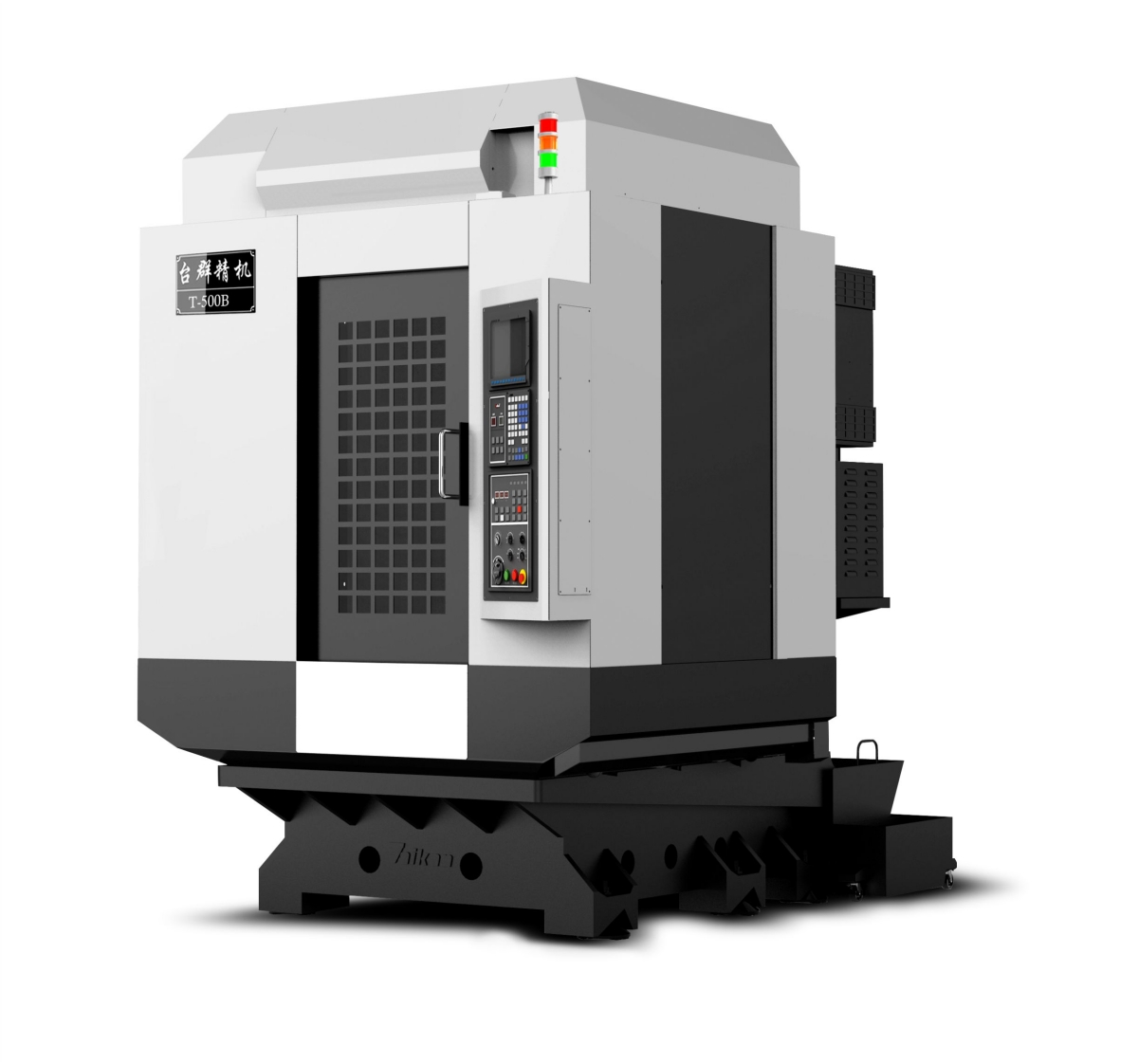
For those seeking highly reliable 3-axis machines, the Taikan T-500B Tapping Machining Center is a proven solution. It has delivered stable, long-term precision in demanding factories for nearly a decade.
Key capabilities include:
Positioning accuracy tightly controlled within ±0.01 mm.
Dimensional consistency (length and width) within ±0.007 mm.
Roundness accuracy held strictly to 0.007 mm.
An extra-wide, six-point base that boosts rigidity and stops vibration.
A direct-drive precision spindle (up to 24,000 rpm) to reduce tapping errors at high speeds.
A high-speed PLC engine and rapid tool changer to minimize non-cutting time.
Built for reliable production rather than quick bursts of speed, the T-500B guarantees consistency in every single batch.
Recommended Solution: Taikan T-500A Tapping Machining Center
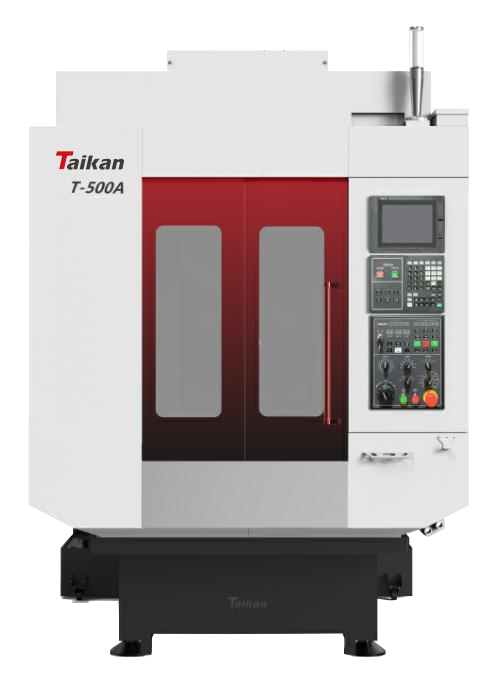
As another strong option among high-performance 3-axis milling machines, the Taikan T-500A is a solid choice. It delivers high output and steady results, integrating a naturally rigid machine base and high-speed motion control.
Its performance is driven by:
High-precision ball screws and linear guideways on all three axes.
An imported CNC control system for constant, accurate adjustments.
A fast, direct-drive spindle reaching up to 24,000 rpm.
A high-speed PLC engine for faster response times, shorter cycles, and smoother cuts.
By eliminating vibration throughout the cutting process, the T-500A ensures long-term accuracy and higher mass-manufacturing yields.
Challenge 2: Machining Complex Surfaces Without Compromising Quality
The latest smartphones feature sleek curves, seamless contours, and refined metal finishes. These complex shapes require incredibly smooth, coordinated machine movements to avoid ugly entry marks or corner defects.
Traditional machining with standard 3-axis machines requires multiple setups, increasing the risk of errors and slowing production. For these complex parts, a 5-axis cnc machining center provides a safer and more efficient solution by completing curved surfaces, cavities, angled features, and precision contours with fewer setups.
Recommended Solution: Taikan T-500U 5-Axis Tapping Center
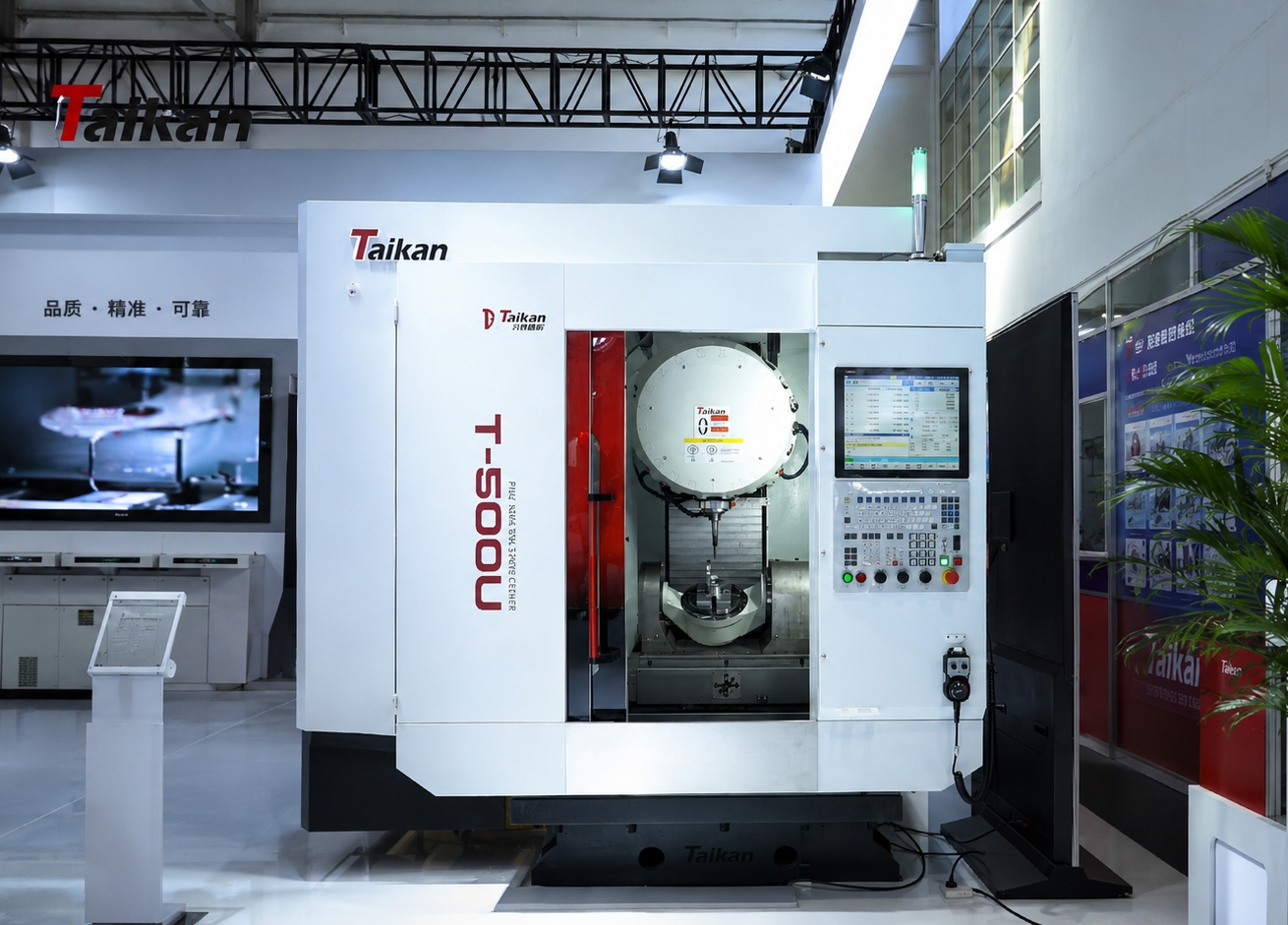
The T-500U 5-Axis Tapping Center is engineered for complex smartphone parts. It delivers high-speed, precise machining in just one setup.
Its core advantages include:
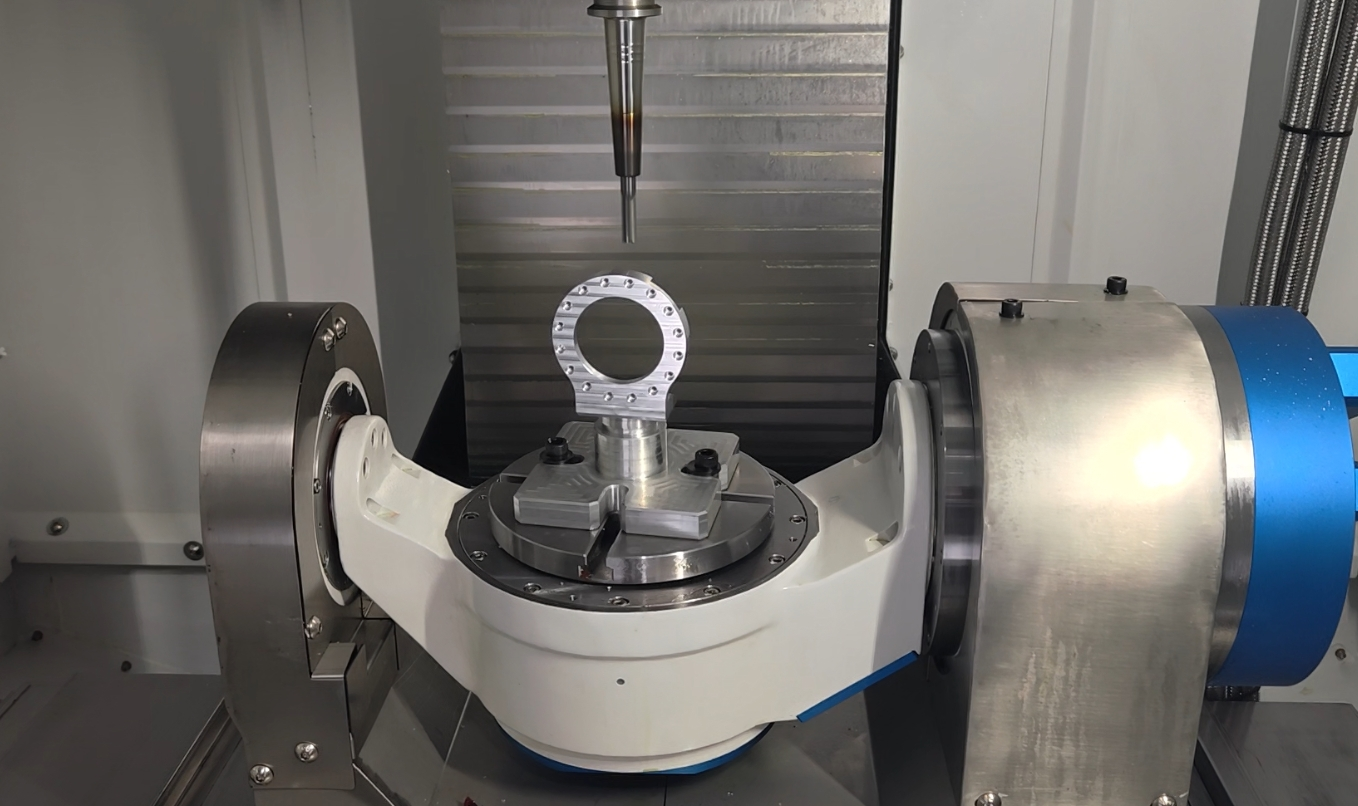
Simultaneous 5-axis machining to handle complex curves and intricate cavities in a single clamp.
A highly rigid C-frame structure, optimized with FEA and dynamic simulation to block vibrations.
A direct-drive torque motor rotary table that removes gear reduction issues, ensuring long-term accuracy.
A direct-drive precision spindle capable of 24,000 rpm.
By reducing how often a part needs to be moved and re-clamped, the T-500U boosts efficiency, consistency, and surface quality.
Choosing the Right CNC Machining Center for Smartphone Manufacturing
As the industry seeks higher precision and better efficiency, machine rigidity is key to improving yield rates. A rigid machine guarantees stable cutting, flawless dimensions, and perfect surfaces over thousands of cycles.
Instead of just chasing faster spindle speeds or feed rates, smart manufacturers are investing in long-term process stability. This shift in mindset is redefining the standard for high-performance CNC machining in the 3C electronics industry and broader electronics manufacturing.
Precision Built for High-Yield Manufacturing
At Taikan Machine, we follow one rule when we manufacture each machine tool: Structural rigidity delivers stable machining performance.
From our high-speed drilling and milling centers to our advanced 5-axis machines, we design solutions.
We help solve the toughest smartphone and 3C electronics industry manufacturing challenges worldwide. Whether you need better accuracy, faster production, or higher yield rates, Taikan Machine can help. Taikan Machine offers platforms that keep production stable. They also make it more predictable and competitive.
In precision manufacturing, lasting success isn't about how fast your machine can cut one part. Deliver the same high-quality result—every cycle, every shift, and every production run.


