Understanding High-Precision CNC Vertical Machining
Views: 0 Author: Site Editor Publish Time: 2026-03-26 Origin: Site
In the realm of manufacturing, precision and efficiency are paramount. A high precision CNC (Computer Numerical Control) vertical machining center stands as a cornerstone technology in industries demanding intricate details and exact tolerances. These sophisticated machines revolutionize traditional manufacturing processes, offering capabilities that not only enhance productivity but also guarantee superior quality. This article will delve into the definition of high precision CNC vertical machining centers, explore the technological innovations that define them, discuss their secondary processes, examine the various industries that rely on these machines, and consider the future trends in CNC technology.
What is a High Precision CNC Vertical Machining Center?
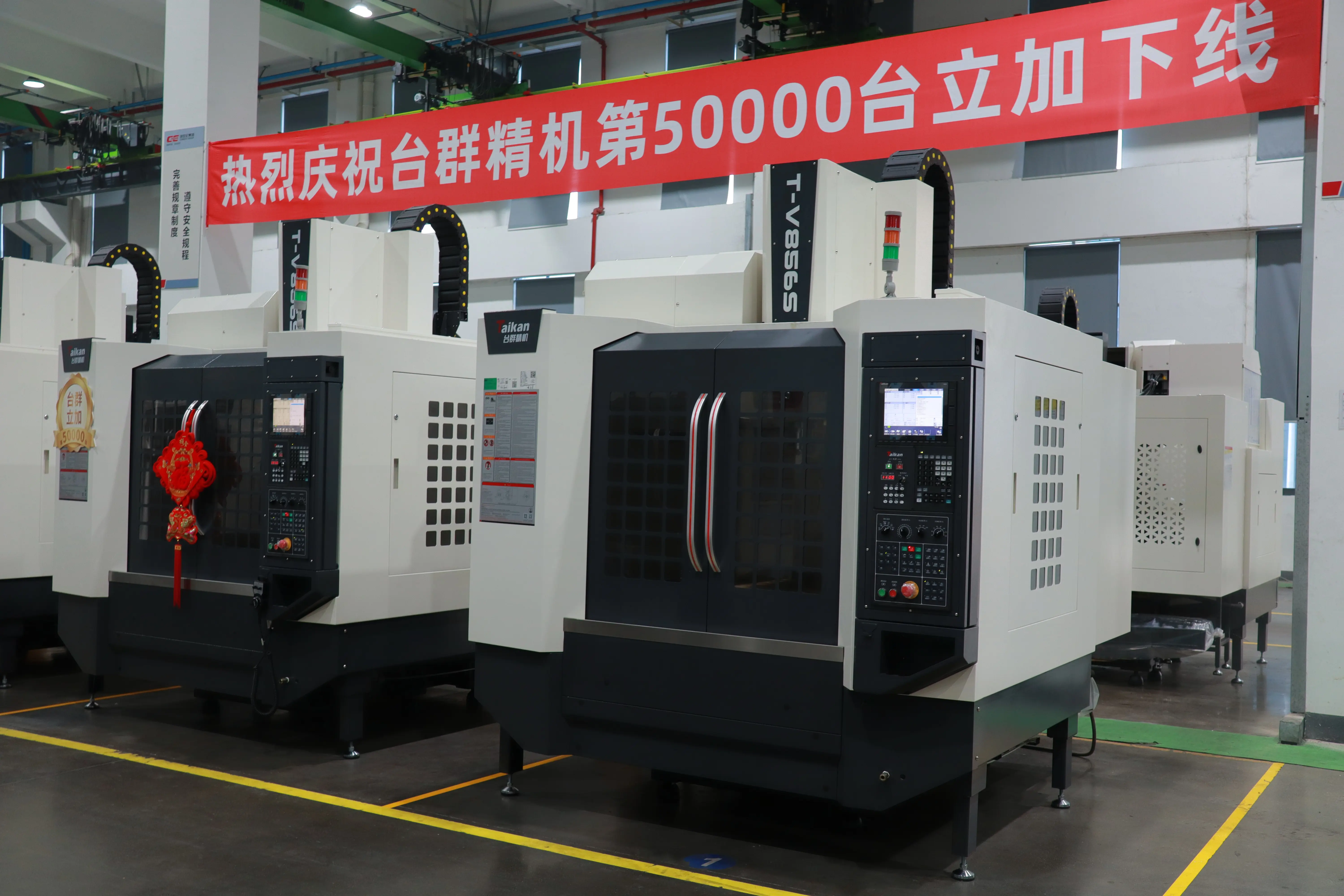
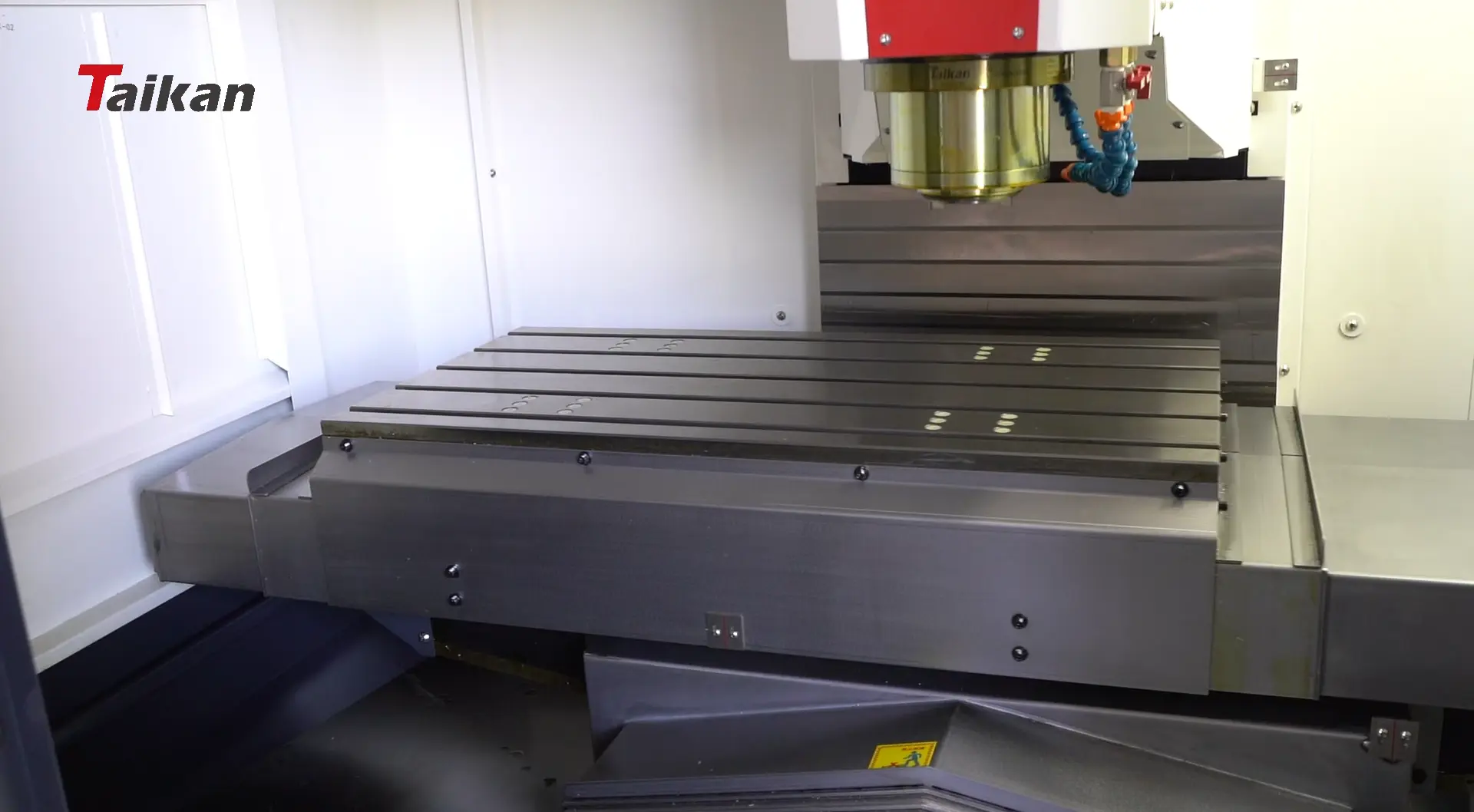
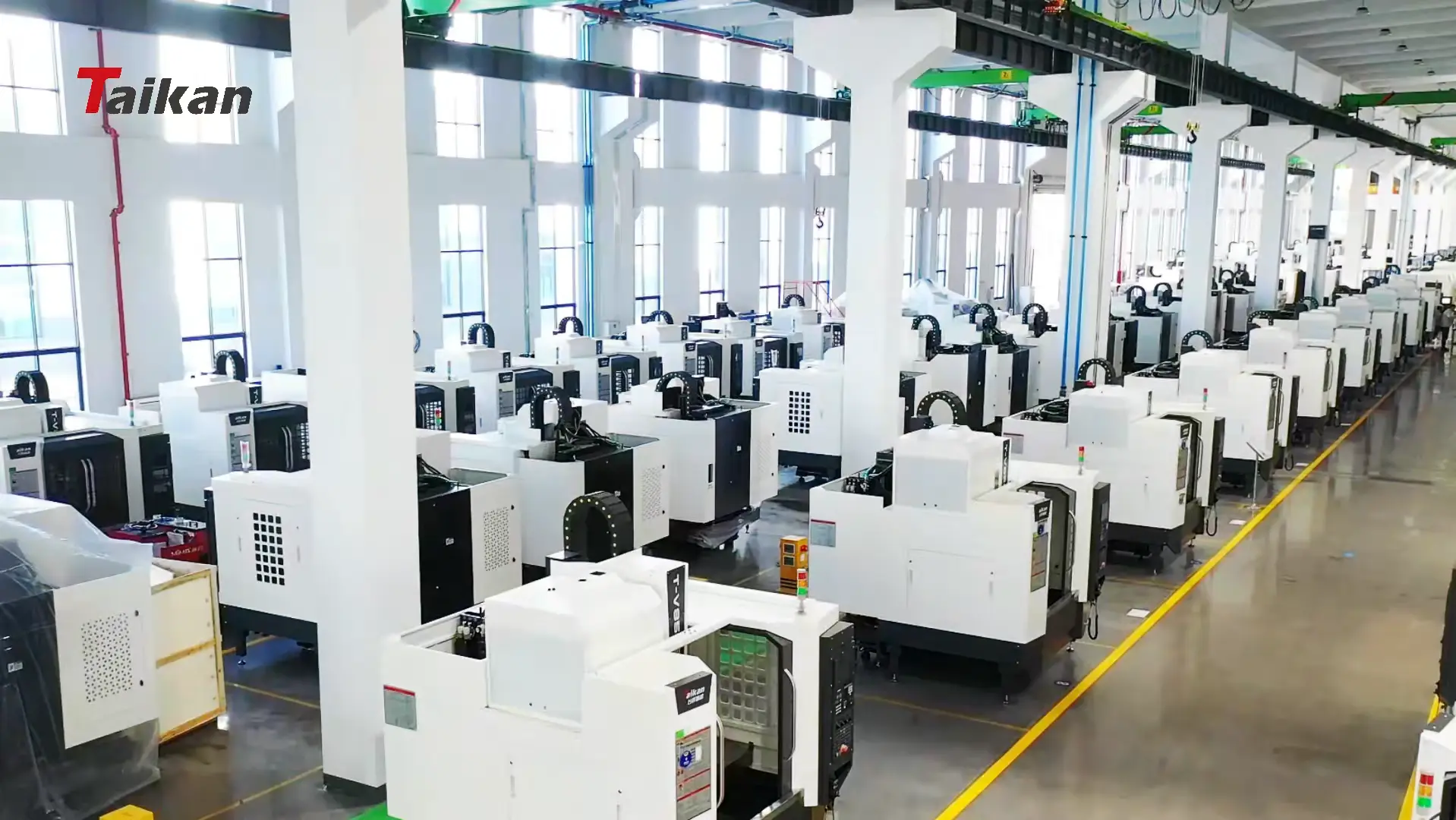
A high precision CNC vertical machining center is a computer-controlled machine tool that utilizes rotating cutting tools to remove material from a workpiece. Unlike traditional lathes, these centers operate on multiple axes, providing the ability to create complex shapes with exceptional accuracy. Commonly employed in industries such as aerospace, electronics, and automotive, these machines are capable of achieving tolerances as tight as 0.001 mm. The significance of precision in manufacturing cannot be overstated; it directly affects product performance and longevity. For example, in the aerospace industry, components must meet strict safety standards, making the accuracy of machining processes crucial. A notable advancement in this technology is Taikan Machine’s vertical machining centers, recognized for their innovative designs and outstanding build quality, having shipped over 50,000 units to date. This cutting-edge equipment offers various applications, including drilling, milling, and tapping, all performed within a single setup. The flexibility of a vertical machining center enables manufacturers to respond swiftly to market demands, making it an invaluable asset in modern production environments.
Technological Features Ensuring High Precision
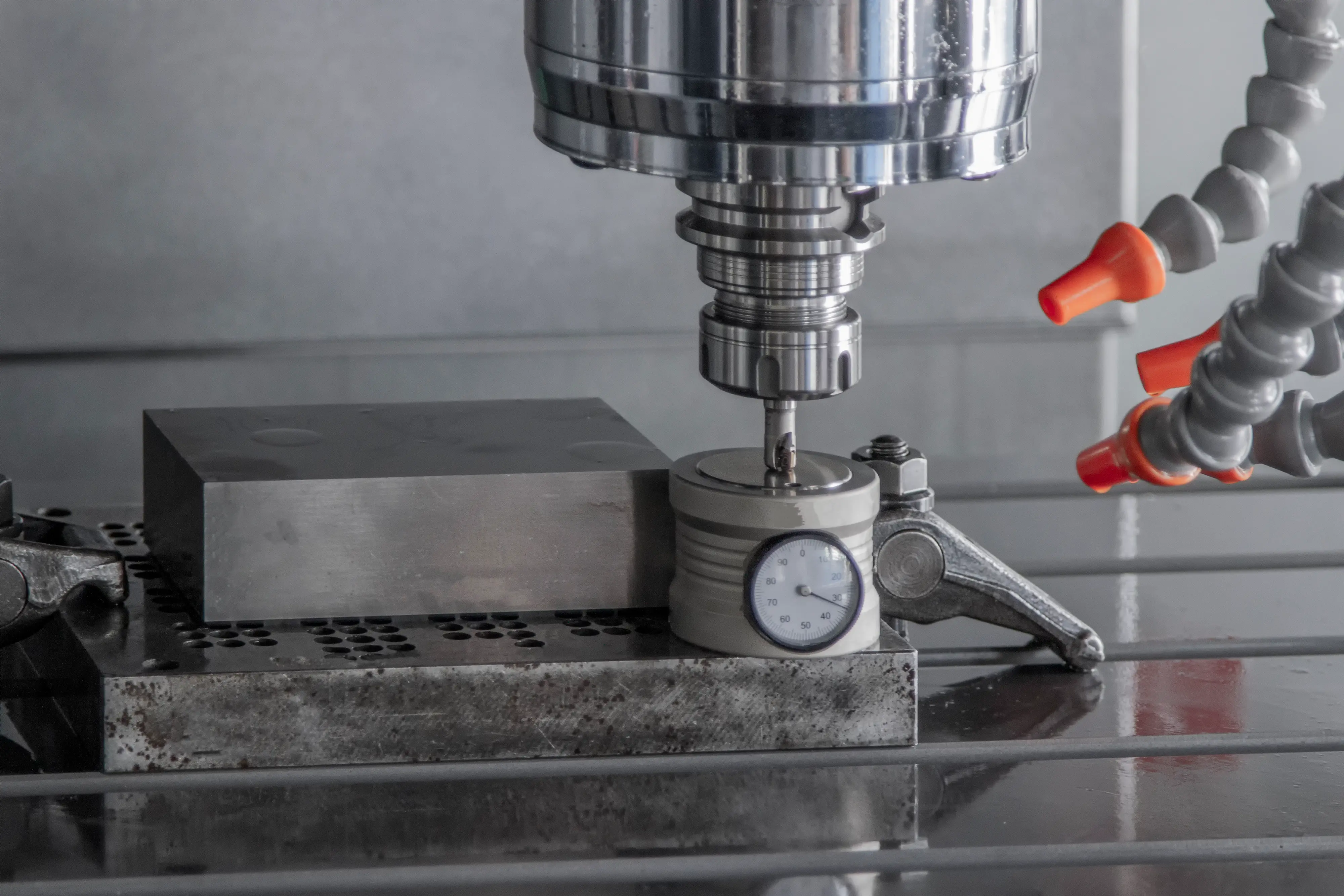
The backbone of high precision CNC vertical machining centers lies in their technological features. Key elements contributing to this precision include advanced feedback systems, high-performance spindle designs, and intricate coolant management systems. Modern CNC machining centres employ linear encoders that provide real-time feedback on the tool’s position, greatly reducing the error margin. Additionally, Taikan Machine has integrated high rigidity structures into their designs, ensuring that the machines maintain stability during high-speed operations. The choice of materials used in manufacturing these machines also plays a critical role. For example, components made from high-strength alloys can withstand thermal expansion, which is often a challenge in precision machining. Furthermore, innovations such as tool wear monitoring systems enable predictive maintenance, which minimizes downtime and enhances productivity. Moreover, machining centers like those offered by Taikan feature intuitive control systems that make programming more accessible, further contributing to the precision in machining processes. Users can easily input complex designs, allowing for seamless transitions from design to finished product without sacrificing quality.
Secondary Processes and their Importance
While the primary function of a CNC vertical machining center is to mill and cut, secondary processes are equally essential for achieving the desired final product. These processes include deburring, surface finishing, and quality testing, all critical for ensuring that parts meet stringent specifications. For instance, surface finishing is a crucial secondary process that can enhance the durability and aesthetic appeal of a machined part. Techniques such as polishing or anodizing can make components more resilient to wear and corrosion. In comparison, traditional machining methods often require more extensive finishing work, resulting in higher labor costs and longer production times. In the context of Taikan's offerings, the integration of secondary operations into their high precision setups allows for a streamlined workflow. This not only reduces production time but also ensures that each component reflects the quality Taikan is known for. By combining multiple stages of production into one process, manufacturers can significantly increase their efficiency and reduce waste, supporting sustainable manufacturing practices.
Industries Relying on High Precision Machining
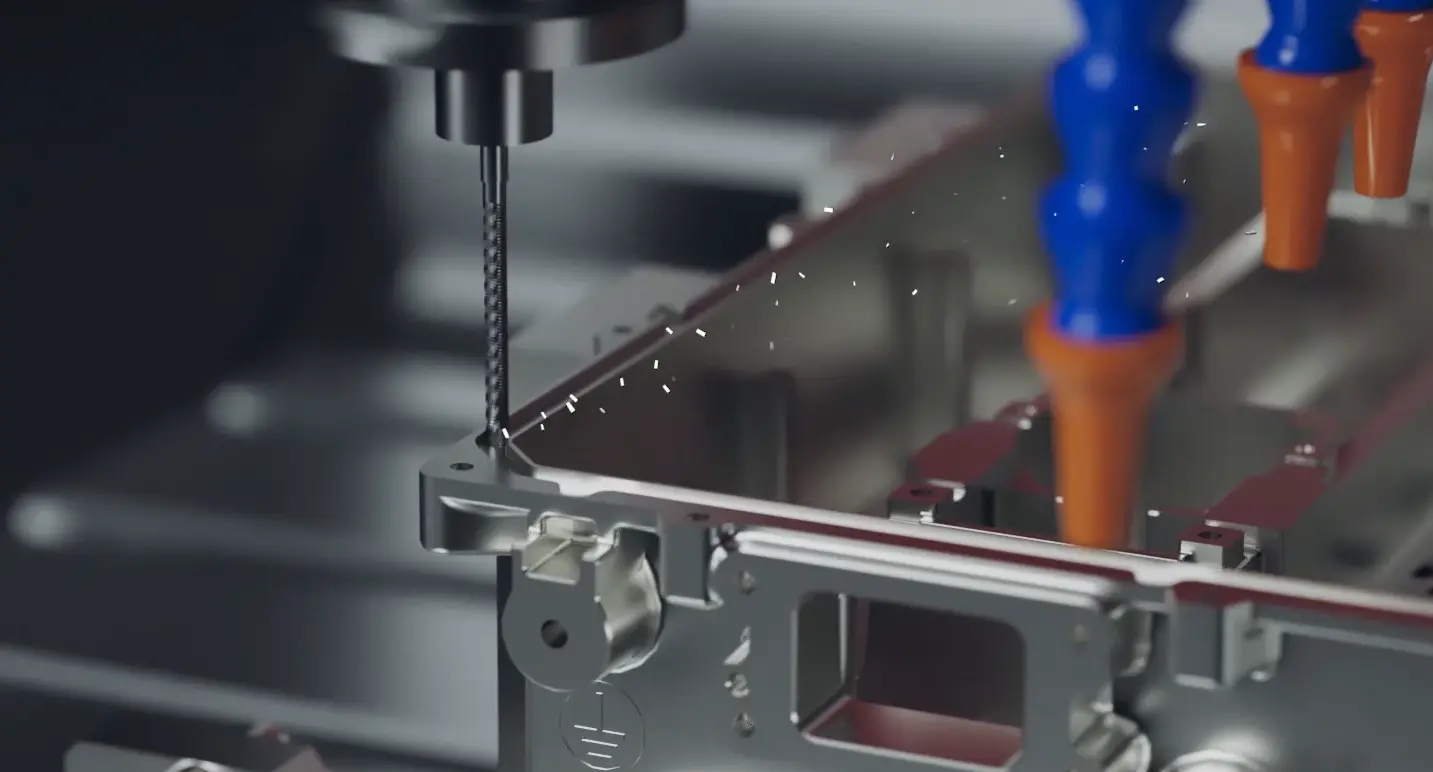
High precision machining is a hallmark of several key industries that demand excellence in their manufacturing processes. CNC machining aerospace parts such as turbine blades and engine housings is widely employed in the aerospace industry, where even the tiniest machining deviations can result in catastrophic failures and critical safety hazards. Similarly, the automotive industry leverages these machines for components that ensure the highest performance and safety standards. For instance, Taikan’s advanced machines have been integral in producing precision parts for new energy vehicles, contributing to innovation in driving technologies. Moreover, the consumer electronics sector relies heavily on precision machining for creating intricate components that allow for enhanced functionality and design aesthetic. By utilizing machines like Taikan’s 5-axis machining centers, manufacturers can produce complex parts with minimal setup changes, drastically reducing time to market. Each industry illustrates the importance of precision machining in maintaining a competitive edge and ensuring product satisfaction. Taikan’s unwavering commitment to innovation and quality exemplifies how the right equipment can empower manufacturers across diverse sectors.
Future Trends in High Precision CNC Technology
The future of high precision CNC technology is poised to be shaped by advancements in automation, artificial intelligence, and sustainability. As the industry evolves, machines equipped with AI will enable greater customization and personalization of products, streamlining operations while reducing manual input. Automation technologies, including robotics, are expected to play a crucial role in enhancing operational efficiency. Taikan Machine is at the forefront of this trend, continually innovating to offer solutions that meet the industry’s needs. Predictive analytics will also become more prominent, allowing manufacturers to anticipate failures before they occur, thus enhancing machine uptime. Sustainability is another critical focus. As manufacturers aim to reduce their environmental impact, more efficient machines that consume less energy and produce less waste will be developed. Embracing these technologies not only meets regulatory demands but also reflects the growing consumer preference for sustainable practices. With Taikan’s ongoing commitment to precision and innovation, the brand is well-positioned to lead these future advancements, driving the industry towards greater efficiency and sustainability.
In conclusion, high precision CNC vertical machining centers are indispensable assets in the modern manufacturing landscape, offering unparalleled accuracy and efficiency. Companies like Taikan Machine exemplify the standards of quality and innovation in this field, continuously adapting to meet the evolving demands of various industries. As we look to the future, the integration of advanced technologies will only enhance the capabilities of these machines, reinforcing their importance in precision manufacturing. For manufacturers seeking to elevate their production capabilities, investing in high precision CNC technology is a future-ready solution.


