CNC Machine Diagnostics: 12 Warning Signs You Should Never Ignore
Views: 0 Author: Site Editor Publish Time: 2026-06-09 Origin: Site
- 1. Why CNC Machine Diagnostics Matters
- 2. Critical Warning Signs of CNC Machines That Require Immediate Attention
- 2.1 1. Excessive Spindle Vibration
- 2.2 2. Persistent Spindle Overheating
- 2.3 3. Frequent Servo Alarms
- 2.4 4. Positioning Accuracy Drift
- 3. Performance Issues of CNC Machines That Affect Machining Quality
- 3.1 5. Rapid Tool Wear
- 3.2 6. Poor Surface Finish
- 3.3 7. Repeatability Problems
- 4. Maintenance Issues That Escalate Over Time
- 4.1 8. Automatic Tool Changer (ATC) Malfunctions
- 4.2 9. Coolant System Problems
- 4.3 10. Ball Screw Wear
- 4.4 11. Guideway Deterioration
- 4.5 12. Lubrication System Irregularities
- 5. CNC Machine Health Inspection Checklist
- 6. Preventive Maintenance vs Reactive Maintenance
- 7. How Modern CNC Machines Support Advanced Diagnostics
- 8. Frequently Asked Questions
- 9. Conclusion
In modern manufacturing, CNC machines are expected to deliver consistent accuracy, high productivity, and uninterrupted operation. Yet most major machine failures do not occur without warning. Long before a spindle fails, a servo alarm appears, or a machine unexpectedly stops production, there are usually subtle symptoms that indicate something is beginning to go wrong.
Unfortunately, many shops only react after a breakdown occurs. At that point, repair costs, production delays, and lost capacity can become significant.
Effective CNC machine diagnostics focuses on identifying abnormal machine behavior early enough to prevent unplanned downtime. Whether you operate a small machining workshop or a large production facility, understanding the warning signs of machine deterioration can help extend equipment life and improve overall manufacturing efficiency.
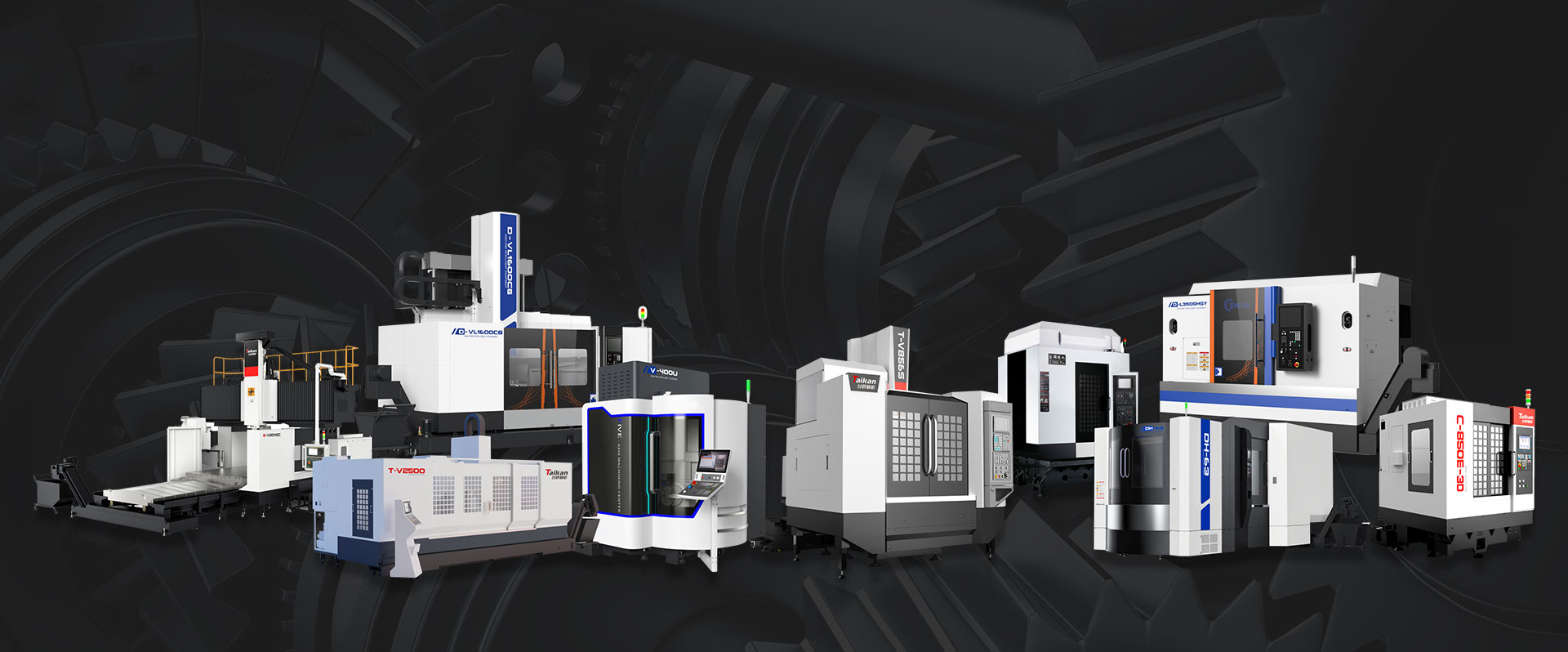
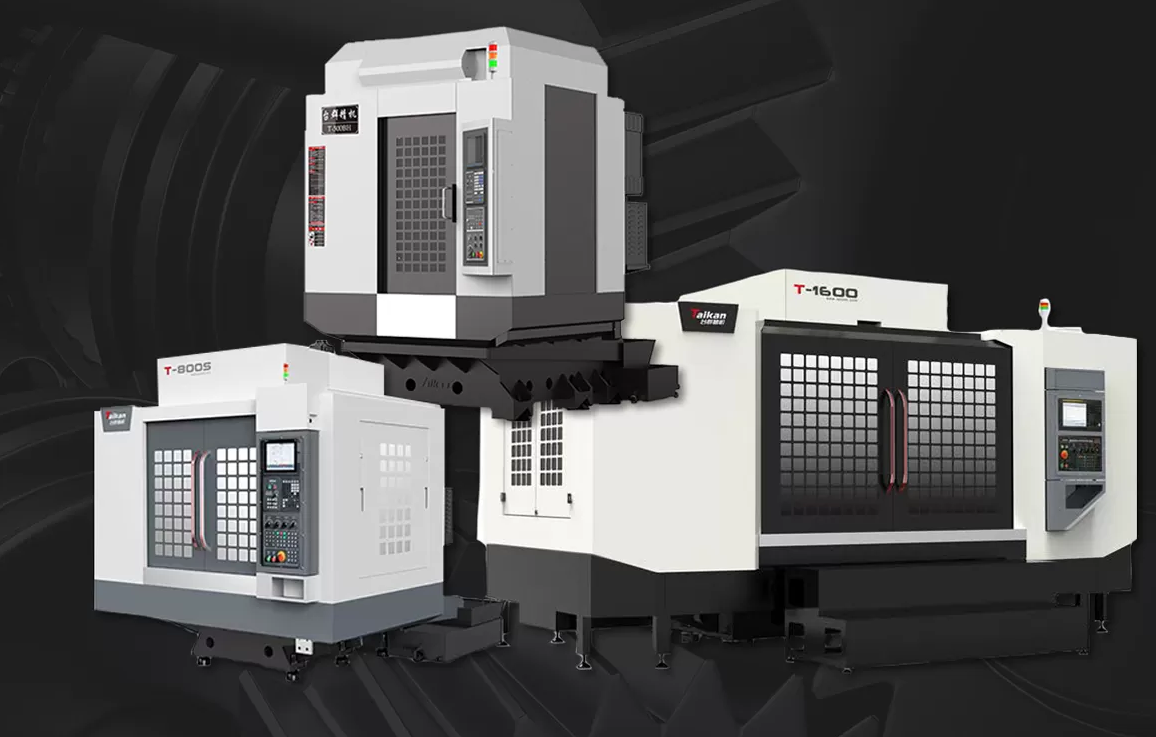
For facilities running a vertical machining center, proactive diagnostics often play a critical role in maintaining stable production schedules and reducing maintenance expenses.
Why CNC Machine Diagnostics Matters
Modern CNC machines are highly integrated systems consisting of spindles, servo drives, ball screws, guideways, lubrication systems, tool changers, and machine controllers. A problem in any one of these components can eventually affect machining quality or machine reliability.
In many production environments, especially those using a vertical milling center, a single component issue can quickly escalate into unstable machining performance if not detected early.
The goal of diagnostics is not simply to identify failures—it is to recognize developing issues before they become failures.
An effective diagnostic program can help manufacturers:
Reduce unplanned downtime
Improve machining accuracy
Lower maintenance costs
Extend spindle and component life
Improve production planning
Increase overall equipment effectiveness (OEE)
The earlier a problem is detected, the less expensive it is usually to correct.
Critical Warning Signs of CNC Machines That Require Immediate Attention
These warning signs often indicate developing mechanical or electrical failures that can lead directly to machine downtime if ignored.
1. Excessive Spindle Vibration
Spindle vibration is often one of the earliest indicators that a CNC machine is developing a serious mechanical issue.
Operators frequently notice vibration through deteriorating surface finish quality, unusual machine noise, or accelerated tool wear. Although minor vibration may appear harmless initially, prolonged operation can place additional stress on spindle bearings and rotating components.
Common causes include:
Bearing wear
Tool imbalance
Improper tool holder seating
Spindle misalignment
Monitoring vibration trends over time is often more valuable than reacting to a single abnormal reading. A gradual increase in vibration usually indicates a developing issue that should be investigated before major spindle damage occurs.
2. Persistent Spindle Overheating
All spindles generate heat during operation, particularly at high RPMs. However, abnormal temperature increases should never be ignored.
Excessive spindle temperatures often suggest problems within the bearing system, lubrication circuit, or cooling mechanism. If spindle temperatures continue rising beyond normal operating ranges, component wear can accelerate rapidly.
Operators should pay attention to:
Unusually hot spindle housings
Frequent temperature alarms
Increased vibration accompanied by heat
Reduced machining stability
Addressing overheating early can prevent expensive spindle rebuilds and extended downtime.
3. Frequent Servo Alarms
Servo alarms are among the most common indicators of developing machine control issues.
While occasional alarms may result from temporary operating conditions, recurring alarms often indicate underlying problems within the motion-control system.
Potential causes include:
Motor overload
Encoder faults
Drive failures
Excessive mechanical resistance
Repeated alarm resets without identifying the root cause can allow the problem to worsen and eventually lead to machine stoppage.
4. Positioning Accuracy Drift
A machine that gradually loses positioning accuracy may continue operating for weeks before the issue becomes obvious.
Many manufacturers first discover positioning problems when part dimensions begin drifting toward tolerance limits or quality inspections reveal inconsistencies.
Typical causes include:
Ball screw wear
Encoder inaccuracies
Thermal expansion
Servo tuning issues
Because positioning accuracy directly affects product quality, even small deviations deserve prompt investigation.
Performance Issues of CNC Machines That Affect Machining Quality
These warning signs may not immediately stop production, but they can significantly impact part quality and manufacturing efficiency.
5. Rapid Tool Wear
Unexpected reductions in tool life often indicate machine-related problems rather than tooling problems alone. When tools wear significantly faster than expected, the root cause may involve machine vibration, spindle runout, rigidity issues, or improper cutting conditions. Monitoring tool consumption trends can provide valuable insight into machine health and help identify developing mechanical issues before they become severe.
6. Poor Surface Finish
Surface finish quality acts as a valuable indicator of overall machine condition.
A machine that consistently produces smooth surfaces but suddenly begins generating chatter marks, rough finishes, or inconsistent textures may be experiencing mechanical instability.
Potential causes include:
Spindle vibration
Tool holder issues
Guideway wear
Structural looseness
Changes in surface finish often appear before more obvious mechanical symptoms develop.
7. Repeatability Problems
Repeatability measures a machine's ability to produce identical results repeatedly under the same conditions.
When identical machining programs generate varying results, machine repeatability may be deteriorating.
Common contributors include:
Mechanical wear
Thermal instability
Servo inconsistencies
Backlash development
Repeatability issues can gradually reduce product consistency and increase quality-control costs.
Maintenance Issues That Escalate Over Time
These problems often begin as minor maintenance concerns but can develop into major reliability issues if neglected.
8. Automatic Tool Changer (ATC) Malfunctions
The automatic tool changer is essential for maintaining production efficiency. Slow tool changes, missed tool exchanges, or intermittent tool-position errors may indicate developing mechanical or sensor-related problems.
Ignoring early ATC issues can result in unexpected production interruptions and costly troubleshooting efforts.
9. Coolant System Problems
Coolant systems play a critical role in temperature control, lubrication, and chip evacuation.
Reduced coolant performance can lead to:
Poor surface finish
Increased tool wear
Thermal distortion
Chip accumulation
Routine inspections of pumps, filters, nozzles, and coolant quality can prevent many machining problems before they affect production.
10. Ball Screw Wear
Ball screws are responsible for converting rotary motion into precise linear movement. As wear increases, machine positioning becomes less consistent and backlash may begin to develop.
Common warning signs include:
Inconsistent dimensions
Axis movement irregularities
Increased backlash
Reduced positioning precision
Regular inspection helps identify wear before machining accuracy is affected.
11. Guideway Deterioration
Guideways provide the stability and rigidity required for precision machining. Over time, contamination, inadequate lubrication, or excessive loading can accelerate wear.
As guideways deteriorate, manufacturers may experience:
Reduced rigidity
Increased vibration
Lower machining accuracy
Surface finish issues
Proper lubrication management remains one of the most effective ways to extend guideway life.
12. Lubrication System Irregularities
Many serious CNC machine failures can be traced back to inadequate lubrication. When lubrication systems fail to deliver proper oil distribution, critical components experience accelerated wear and increased friction.
Warning signs often include:
Abnormal machine noise
Elevated operating temperatures
Increased component wear
Lubrication alarms
Routine lubrication inspections are among the simplest and most cost-effective preventive maintenance practices available.
CNC Machine Health Inspection Checklist
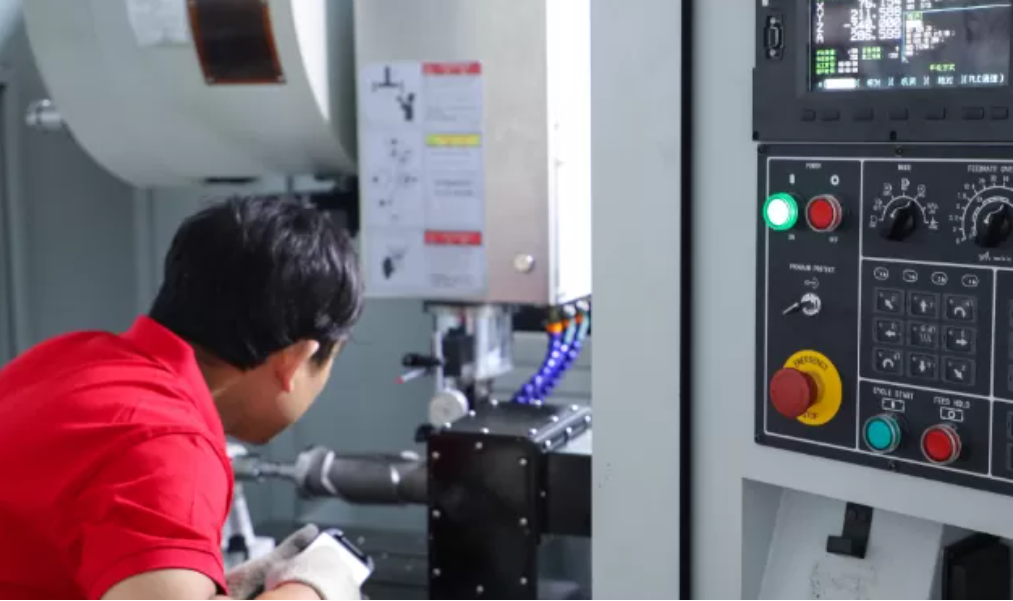
A structured inspection program helps maintenance teams identify developing problems before they affect production.
| Inspection Frequency | Recommended Inspection Items |
| Daily | Alarms, coolant levels, lubrication status, abnormal noise |
| Weekly | Tool holders, spindle condition, air pressure systems |
| Monthly | Ball screws, guideways, ATC mechanisms |
| Quarterly | Servo system analysis, vibration testing |
| Annually | Full machine calibration and geometry verification |
Facilities operating a drilling and milling center often benefit significantly from structured inspection programs because these machines frequently run at high spindle speeds and demanding production cycles.
Preventive Maintenance vs Reactive Maintenance
Many manufacturers still rely on corrective maintenance, repairing machines only after failures occur. While this approach may appear cost-effective initially, it often results in higher long-term expenses.
| Factor | Preventive Maintenance | Reactive Maintenance |
| Downtime | Planned | Unplanned |
| Repair Cost | Lower | Higher |
| Production Impact | Minimal | Significant |
| Equipment Life | Longer | Shorter |
| Operational Risk | Lower | Higher |
The most successful manufacturers combine routine inspections, condition monitoring, and predictive maintenance strategies to reduce unexpected failures.
How Modern CNC Machines Support Advanced Diagnostics
As manufacturing moves toward smart factory environments, machine diagnostics are becoming increasingly sophisticated.
Modern CNC platforms now incorporate features such as:
Real-time spindle monitoring
Servo load analysis
Thermal compensation
Tool life management
Remote diagnostic capabilities
Predictive maintenance functions
These technologies allow manufacturers to identify developing issues earlier and make maintenance decisions based on actual machine conditions rather than fixed service intervals.
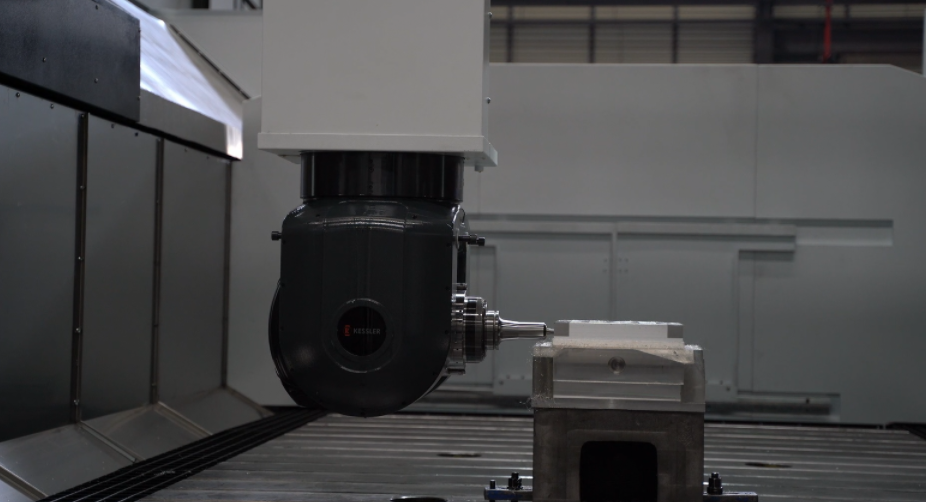
For larger production environments, advanced gantry machining center systems increasingly integrate intelligent monitoring technologies that improve machine availability and operational reliability.
Frequently Asked Questions
What is CNC machine diagnostics?
CNC machine diagnostics refers to the process of monitoring and analyzing machine performance to identify developing mechanical, electrical, or control-system problems before they result in equipment failure.
Which CNC machine problem should be addressed first?
Issues involving spindle vibration, overheating, positioning accuracy, and recurring servo alarms should generally receive the highest priority because they can quickly lead to major downtime or expensive repairs.
How often should CNC machines be inspected?
Basic operational checks should be performed daily, while more comprehensive inspections should be conducted monthly, quarterly, and annually depending on machine utilization.
Can predictive maintenance reduce CNC machine downtime?
Yes. Predictive maintenance programs help manufacturers identify developing issues before failures occur, reducing unexpected downtime and improving maintenance efficiency.
What are the most common CNC machine components that require maintenance?
Spindle bearings, ball screws, servo systems, lubrication systems, guideways, coolant systems, and automatic tool changers are among the most frequently serviced components.
Conclusion
Most CNC machine failures do not occur suddenly. They develop gradually through warning signs that operators and maintenance teams can identify long before a major breakdown occurs.
By monitoring spindle vibration, overheating, positioning accuracy, servo alarms, tool wear, coolant performance, lubrication conditions, and other critical indicators, manufacturers can significantly reduce downtime and improve equipment reliability.
As predictive maintenance and smart manufacturing continue to evolve, effective CNC machine diagnostics will remain one of the most valuable strategies for maximizing machine performance, extending equipment life, and protecting production capacity.


