English 

In the landscape of 2026, high-precision manufacturing, achieving micron-level surface integrity and tight dimensional tolerances is the baseline for success. Whether processing high-strength alloys or thermal-sensitive non-ferrous metals, the fundamental choice of milling strategy—Climb Milling versus Conventional Milling—remains the most critical variable defining both quality and cost-efficiency.
This technical guide analyzes the underlying dynamics of these two methods and provides a framework for standardized precision machining solutions in complex industrial environments.
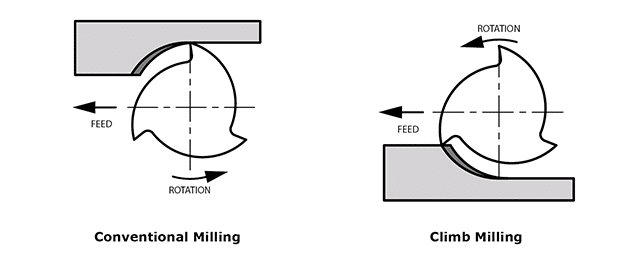
The core distinction between these two methods lies in the evolution of chip thickness as the cutting edge engages the workpiece:
Climb Milling (Down Milling): The tool rotates in the same direction as the feed. The cutter engages the material at maximum chip thickness and tapers down to zero at the exit.
Conventional Milling (Up Milling): The tool rotates against the direction of the feed. The chip thickness starts at zero and reaches its maximum at the exit point.
Based on modern CNC machining data and dynamic simulations, the following table compares the performance of both strategies across critical dimensions:
Evaluation Dimension | Climb Milling | Conventional Milling | Technical Insight & Application |
Cutting Force Vector | Tends to pull the workpiece forward | Tends to push the workpiece away | Climb milling requires zero-backlash feed systems; conventional milling requires high axial clamping force. |
Surface Integrity (Ra) | Superior (Clean cuts, no hardening) | Moderate (Prone to rubbing marks) | Climb milling avoids the initial "sliding-friction" phase, significantly improving Ra values. |
Tool Life | Extended (approx. 20%–35% increase) | Relatively shorter | Lower friction at entry reduces thermal fatigue on the cutting edge. |
Power Consumption | Lower | Higher | Average cutting deformation is smaller in climb milling, leading to better energy efficiency. |
Application Suitability | Finishing / Thin-walled parts | Roughing / Castings / Scaled surfaces | Conventional milling breaks through hard skins from the inside out, protecting the tool tip. |
1. Climb Milling: The Standard for Modern Precision
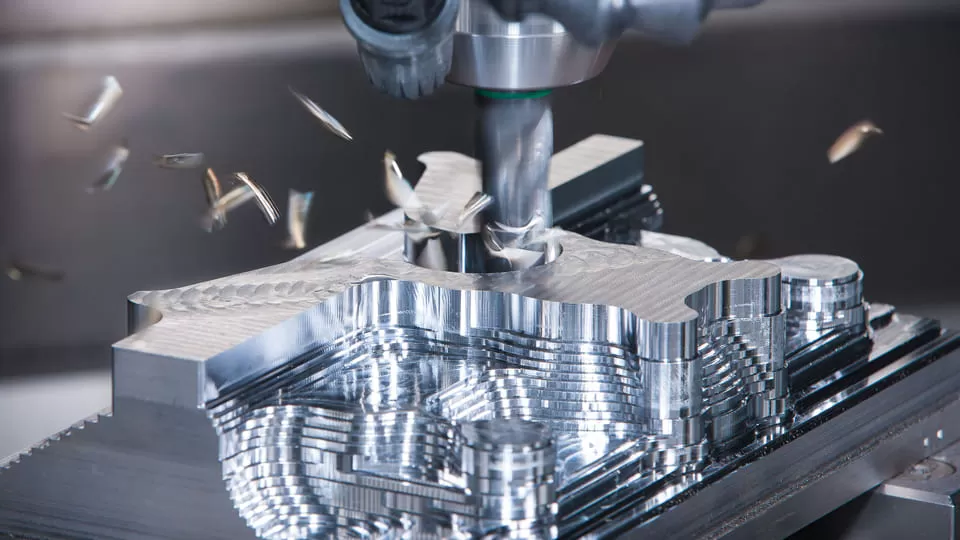
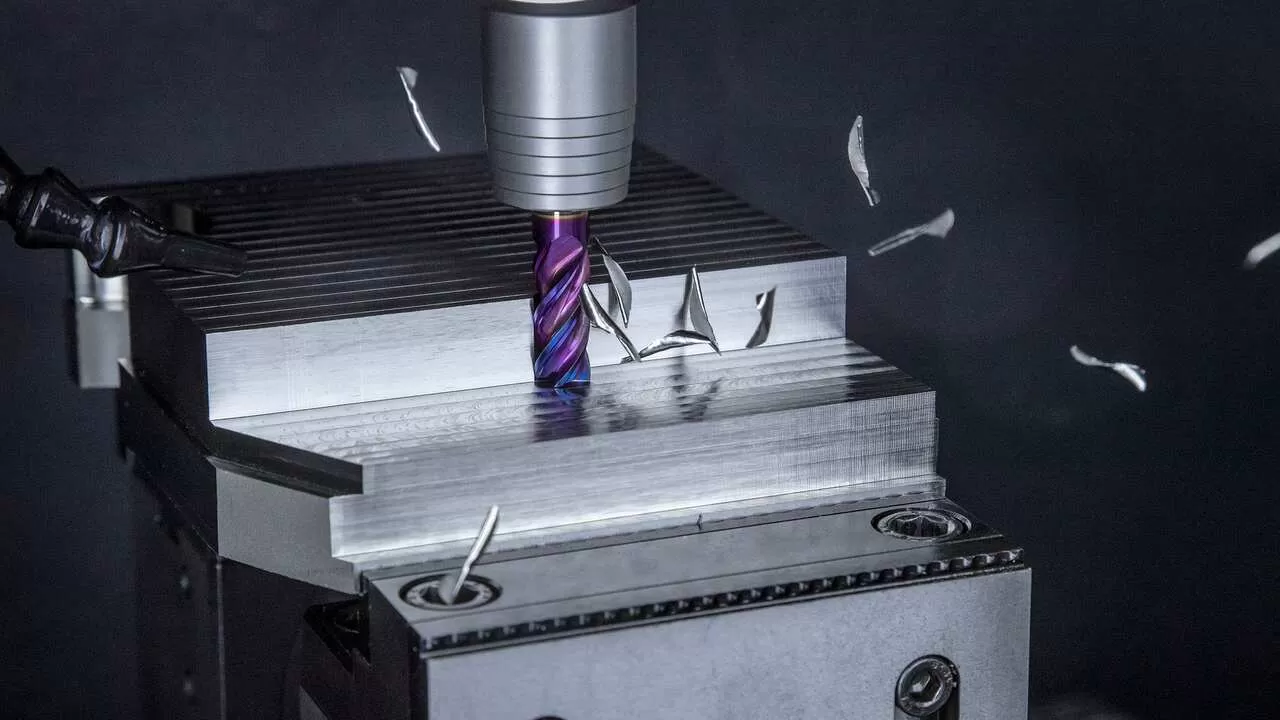
In high-end CNC environments, climb milling is the preferred strategy due to its "thick-to-thin" chip formation:
Suppression of Work Hardening: Because the chip thickness is zero at the exit, there is minimal secondary rubbing. This preserves the material’s original mechanical properties, which are vital for high-performance components.
Optimal Heat Distribution: Most of the cutting heat is carried away by the chip, minimizing thermal expansion of the workpiece and ensuring high geometric stability.
Equipment Synergy: Modern high-standard machining centers, such as the Taikan T-V856S, utilize high-rigidity ball screws and pre-tensioned structures to eliminate backlash. This effectively neutralizes the traditional "chatter" risk associated with climb milling.
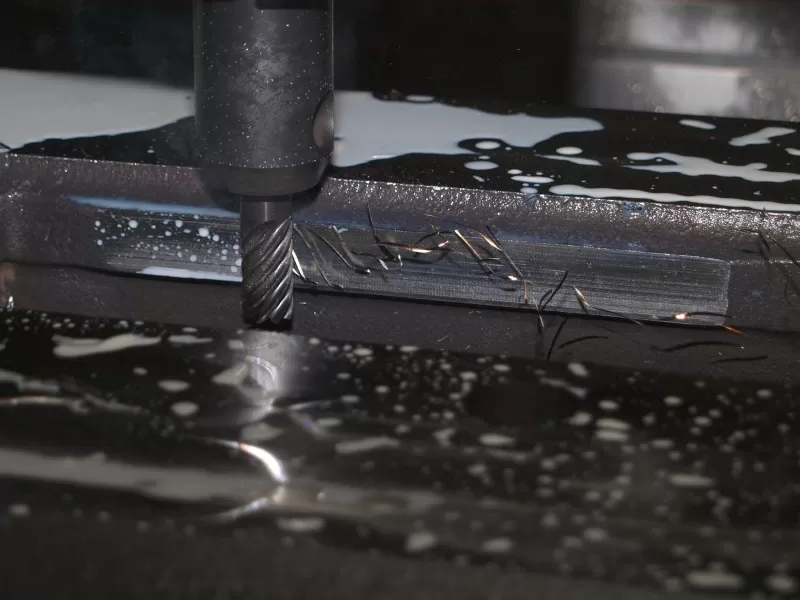
2. Conventional Milling: Stability in Extreme Conditions
Despite the advantages of climb milling, conventional milling remains an essential engineering tool for specific scenarios:
Conquering "Hard Skin" Surfaces: When machining castings or forgings with abrasive scales, conventional milling enters the material from the clean substrate toward the surface. This prevents the tool tip from slamming directly into hard inclusions.
Compensating for Mechanical Backlash: On legacy machines or setups with lower rigidity, the backward resistance of conventional milling keeps the screw and nut tightly engaged, maintaining a predictable feed motion.
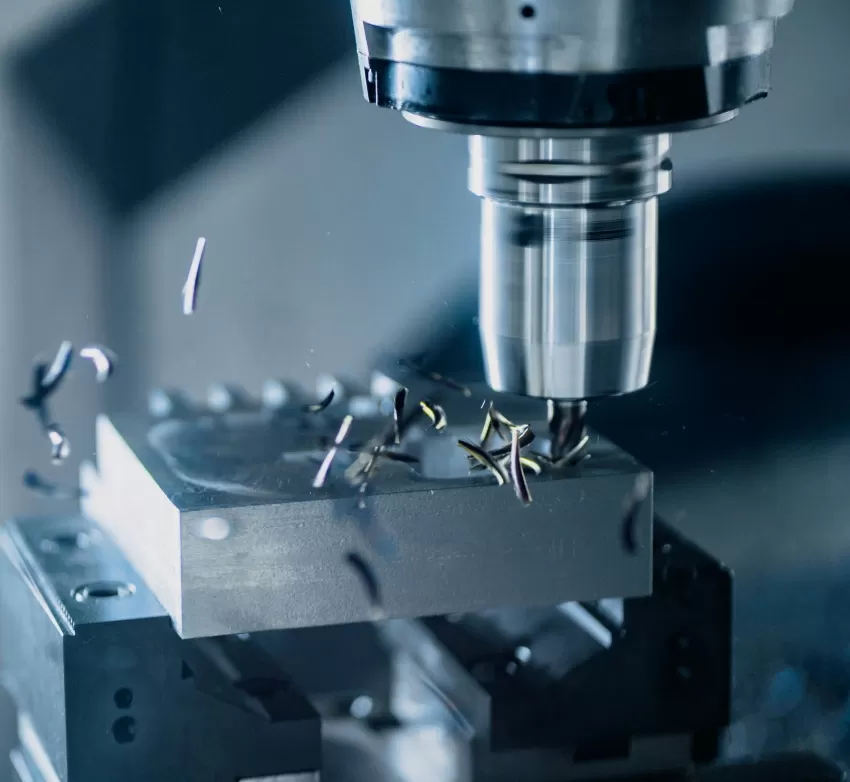
Efficient processes require superior hardware capacity. Utilizing the Taikan T-V856S Vertical Machining Center, we recommend the following strategies for general precision machining:
Machining Phase | Recommended Strategy | Key Benefit |
Heavy-Duty Roughing | Conventional (for scaled/raw surfaces) | Protects the cutting edge while utilizing high spindle torque for stable material removal. |
High-Speed Finishing | Climb (Universal for clean materials) | Leverages the T-V856S precision to achieve surface finishes below Ra 0.4μm. |
Thin-Walled Components | Climb (Reduces vibration) | Utilizes downward force components to stabilize the part against the fixture. |
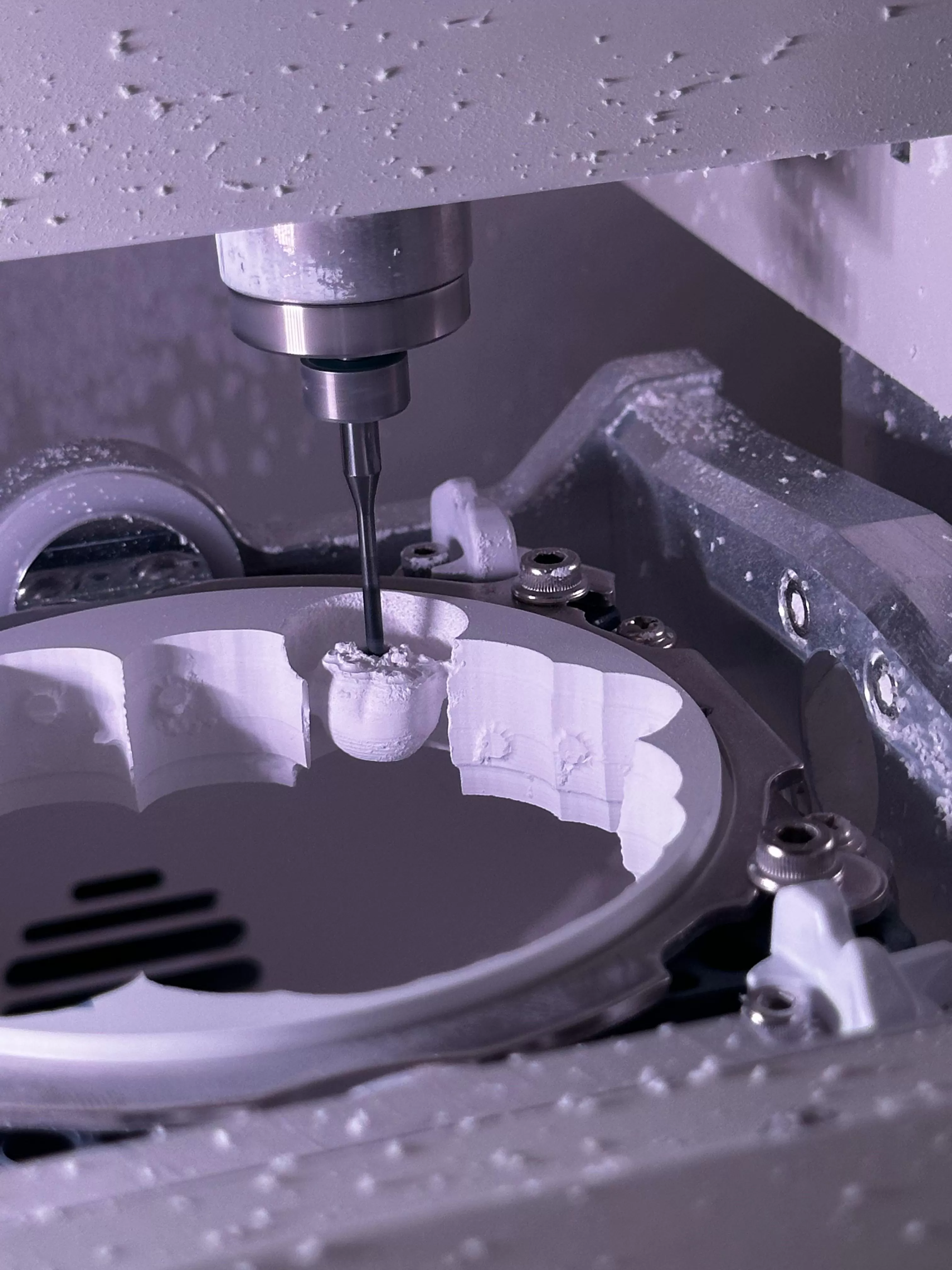
Precision machining is not a game of single variables; it is the deep coupling of material science, process logic, and machine capability.
Seeking ultimate surface quality and efficiency? Climb milling is the industry benchmark.
Dealing with abrasive surfaces or non-ideal clamping? Conventional milling provides the necessary engineering margin.
As a leading CNC machine manufacturer in China, Taikan Machine remains committed to integrating advanced cutting logic with high-standard CNC equipment, helping manufacturers worldwide achieve a comprehensive upgrade in Precision Machining Solutions.