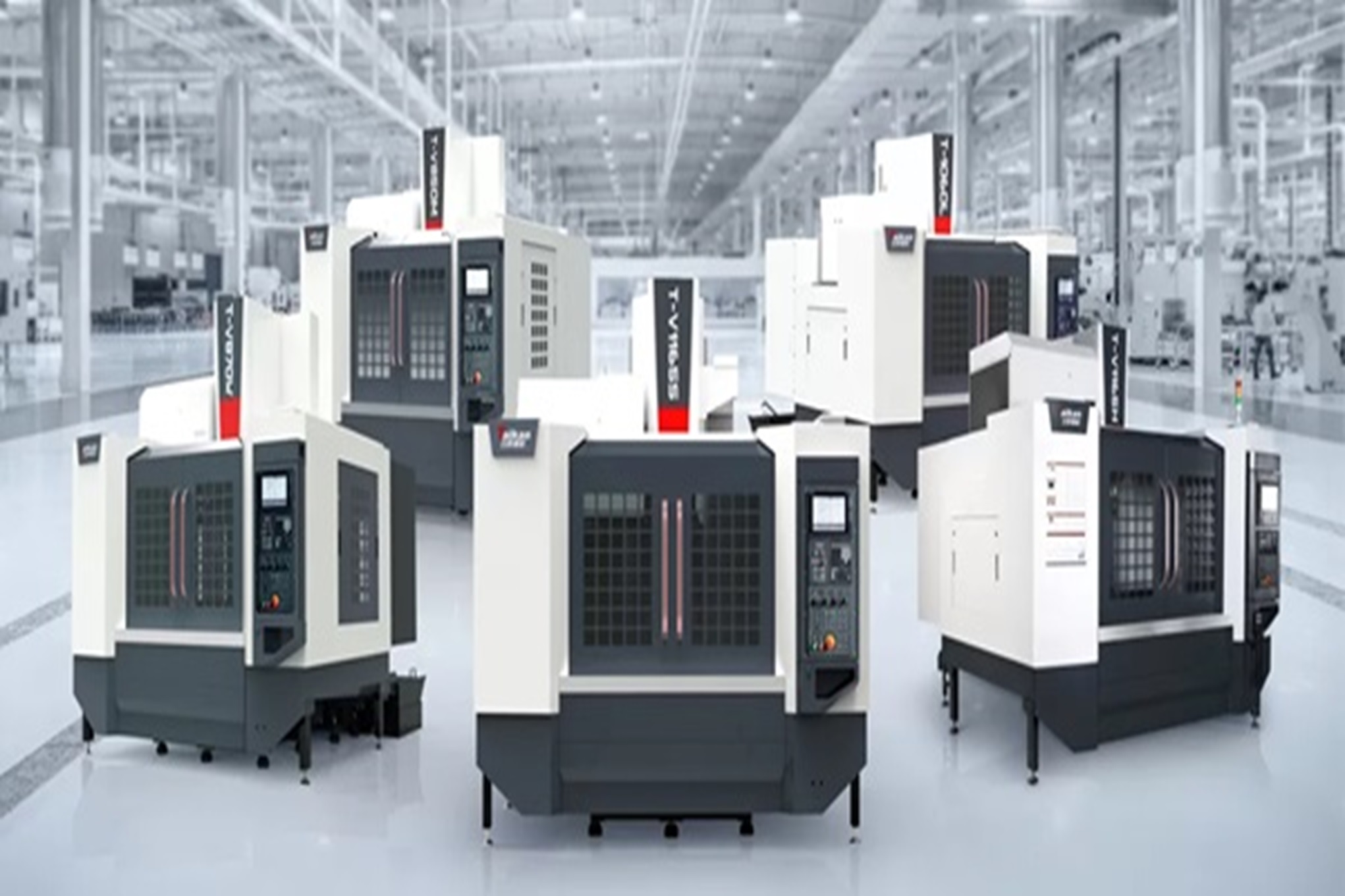
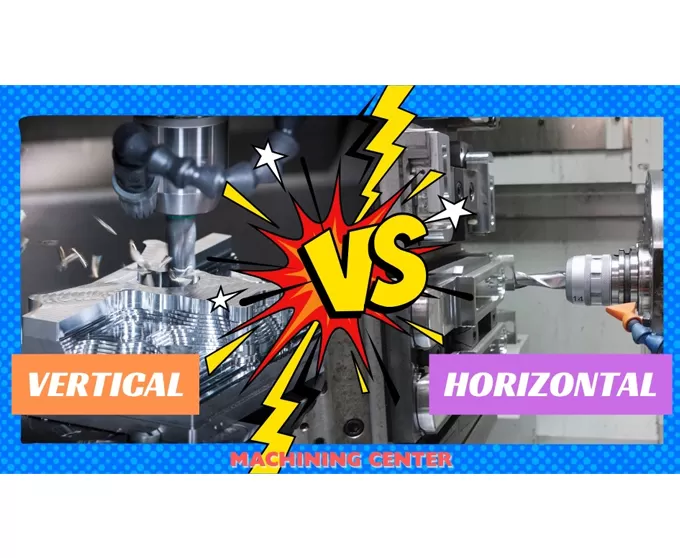
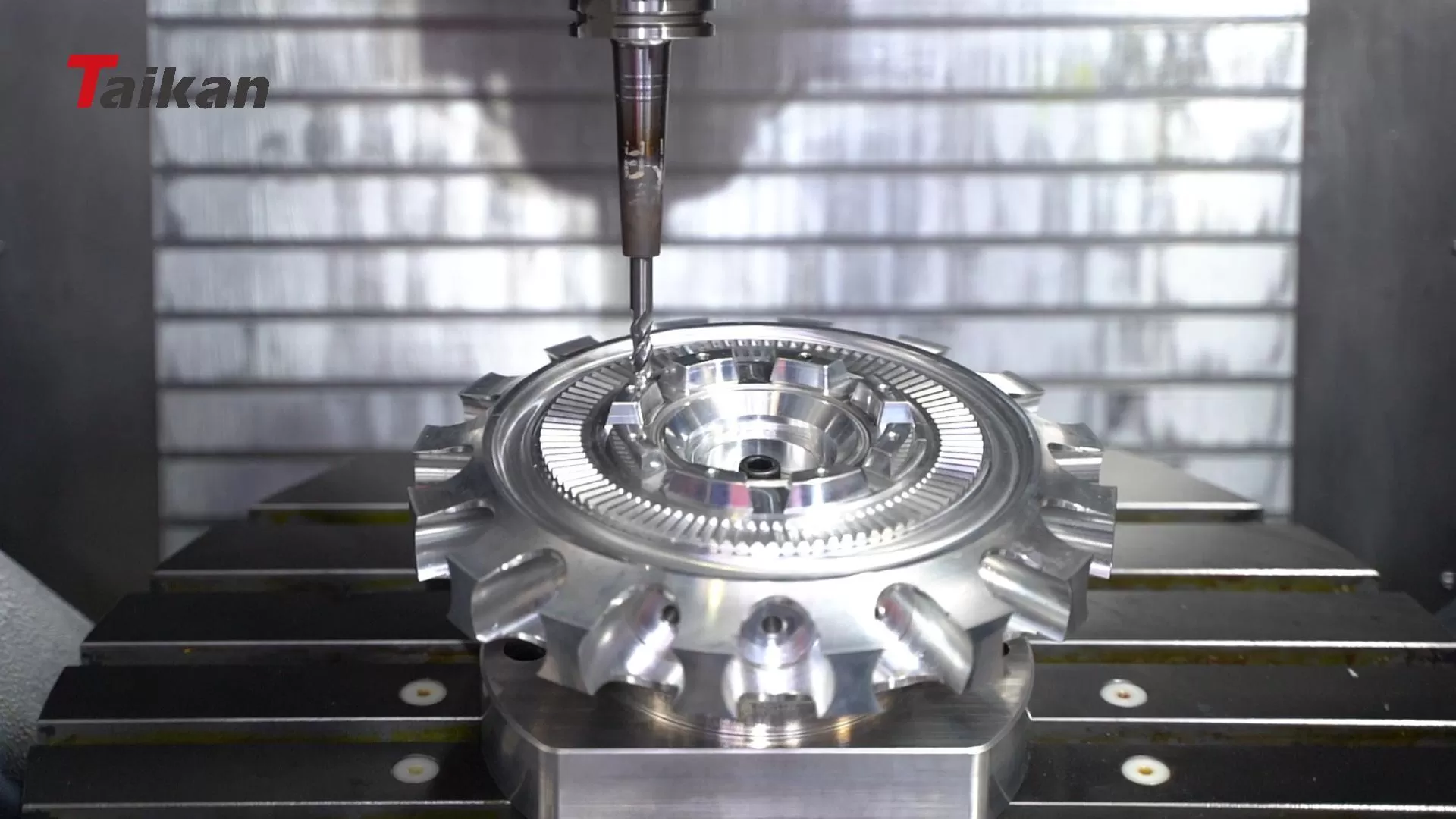
Choosing a horizontal machining center starts with the workpiece rather than the machine specification sheet. Buyers should first confirm the maximum part and fixture dimensions, material, machining surfaces, tolerance requirements, batch size and target cycle time. These factors determine the pallet size, axis travel, spindle torque, tool-magazine capacity and level of automation required. Selecting a machine only by price or spindle speed can result in limited tool access, insufficient rotary clearance, poor heavy-cutting performance or unnecessary investment in unused capacity. A horizontal machining center is a CNC machine tool with a horizontally arranged spindle and a rotary worktable, allowing multiple sides of a component to be machined in fewer setups. Compared with a vertical machining center, this structure is particularly suitable for box-shaped parts, valve bodies, gearbox housings, hydraulic manifolds, automotive components and other workpieces that require multi-face machining and efficient chip removal.
Match Pallet Size to the Complete Workpiece Envelope
Pallet size is only the starting point. A 500 × 500 mm pallet does not mean that every part below 500 mm will fit. The fixture, clamps, tombstone, tool clearance and swing diameter during B-axis rotation must also be included.
Before requesting a quotation, define:
Maximum part dimensions and weight.
Fixture dimensions and estimated mass.
Maximum rotating diameter around the pallet center.
Clearance required for long tools and boring bars.
Loading method, such as crane, robot or manual handling.
Check the complete workpiece envelope through the full B-axis rotation. A tall housing may fit at the loading position but collide with the spindle head, enclosure or tool while indexing. Pallet load must also cover the combined weight of the part and fixture. A small horizontal machining center is generally suitable for small and medium housings, valves and precision components. Larger box-type parts may require a 630 mm or 1,000 mm-class pallet, wider travel and a heavier table. Excess capacity raises floor-space, foundation, power and tooling costs, while an undersized machine can make the planned process impossible.
Select the Spindle for Material and Cutting Duty
Spindle speed alone does not define the cutting performance of a horizontal milling center. Aluminum may benefit from higher speed and acceleration, while cast iron and steel often require stronger low-speed torque, a rigid tool interface and stable thermal control.
Ask these questions before selecting a spindle:
Which materials and cutter diameters will be used?
Is the process mainly drilling, finish milling, boring or heavy roughing?
What torque is available at the expected cutting speed?
Is through-spindle coolant needed for deep holes?
How is spindle temperature controlled during long cycles?
Which tool taper matches existing factory tooling?
BT40 is practical for lighter cutting, smaller tools and faster operation. BT50 is usually better suited to larger cutters, boring and heavier metal removal. The correct choice depends on the cutting plan, not the assumption that a larger spindle is always better. Provide sample drawings, material grades, stock allowance, target cycle time and critical tolerances. A useful application proposal should explain why a particular spindle, power level and taper are recommended.
Check Axis Travel, Rotary Table and Tool Capacity Together
Axis travel must be evaluated against the machining position of the part, not only its outside dimensions. Fixtures may move the component away from the pallet center, while long tools require additional clearance. Check the spindle-nose-to-table-center range, spindle centerline height and usable travel at all indexed positions. Reviewing a horizontal machining center diagram together with the fixture layout can make these clearance relationships easier to verify.
The rotary table is equally important because HMC processes depend on accurate multi-face machining. Review the minimum indexing unit, positioning accuracy, repeatability and clamping method. Continuous B-axis positioning may help with flexible angular features, while fixed indexing can be sufficient for standard four-side machining.
Tool capacity should cover the complete operation list with a reserve for sister tools. Housing production may require face mills, drills, taps, reamers, boring tools and probes. Also confirm maximum tool length, diameter and weight, adjacent-pocket restrictions, tool-life management and breakage detection. These details often affect daily output more than a small difference in rapid traverse rate.
Plan Automation and Understand HMC Machine Price
Automation should solve a specific production problem. A two-pallet automatic pallet changer separates loading from cutting and can reduce spindle waiting time. A pallet pool can extend unattended production across several part families. Robot loading may suit stable, repeatable parts, but it also requires compatible fixtures, guarding and process monitoring. The final hmc machine price depends on more than machine size. Cost drivers include spindle specification, pallet system, rotary-table type, CNC control, tool-magazine capacity, probing, through-spindle coolant, chip handling, filtration, linear scales and automation interfaces.
Compare quotations using the same scope. Calculate total installed cost, including:
Machine, options, fixtures and cutting tools.
Freight, customs, delivery and insurance.
Foundation, power, air and coolant preparation.
Installation, commissioning and training.
Spare parts, maintenance items and automation integration.
When comparing horizontal machining center manufacturers, request a written scope of supply, acceptance criteria, service response process and parts-support plan. An unclear delivery or service scope can cost more than the initial saving.
Taikan Model Selection Table and Buying Checklist
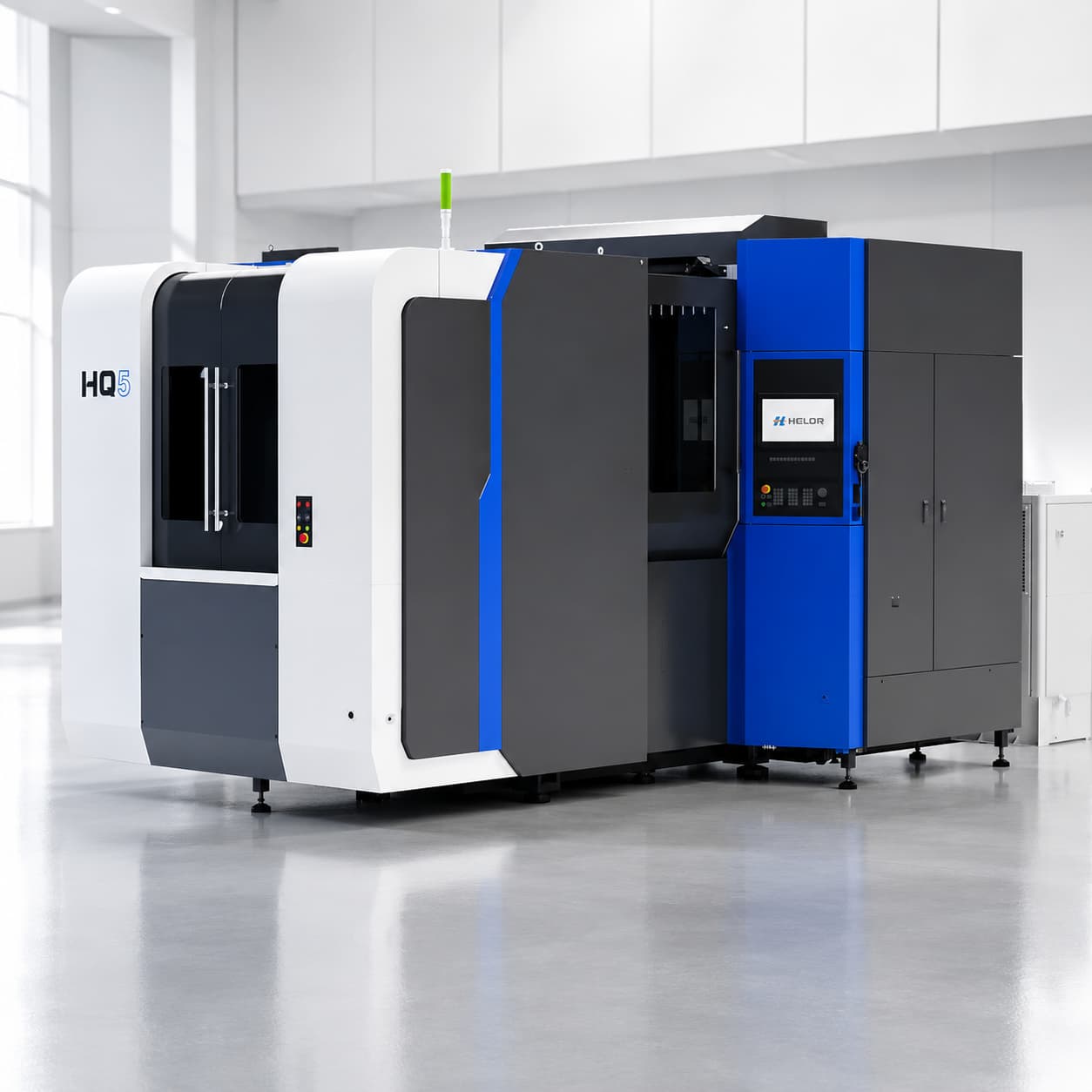
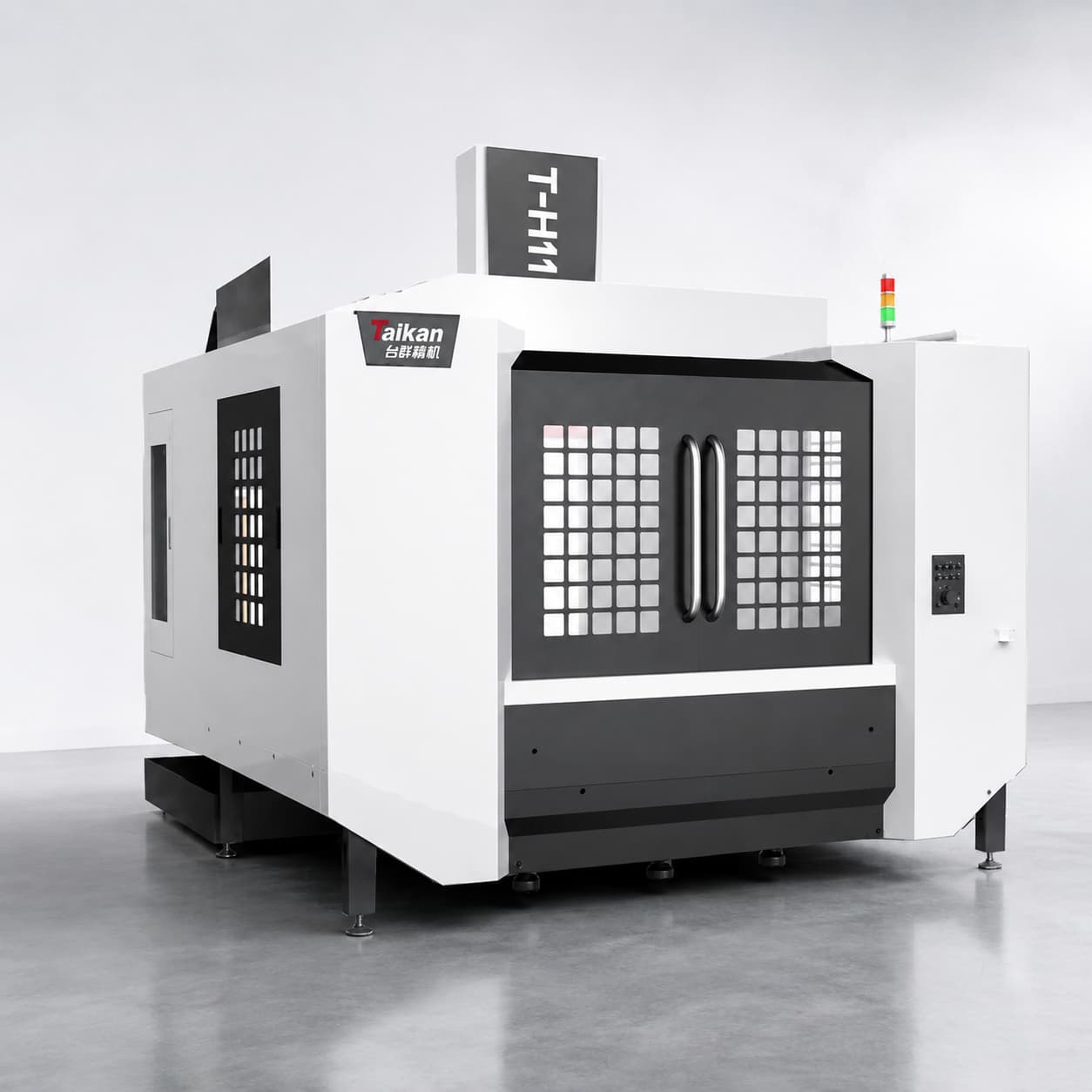
Taikan offers horizontal machining solutions for different workpiece sizes and production needs. The table below is a starting point; final selection should be confirmed through drawings, fixture layouts and process analysis.
| Taikan model | Pallet size | X/Y/Z travel | Spindle | Tools | Best-fit application |
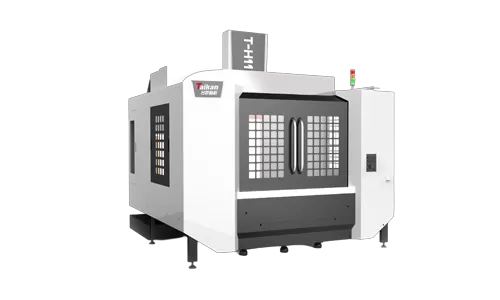
| HT-H11 Horizontal Machining Center | 500 × 500 mm | 1,100 / 600 / 650 mm | BT40, 12,000 rpm | 24 | Small and medium complex parts, mixed production and compact HMC installations. |
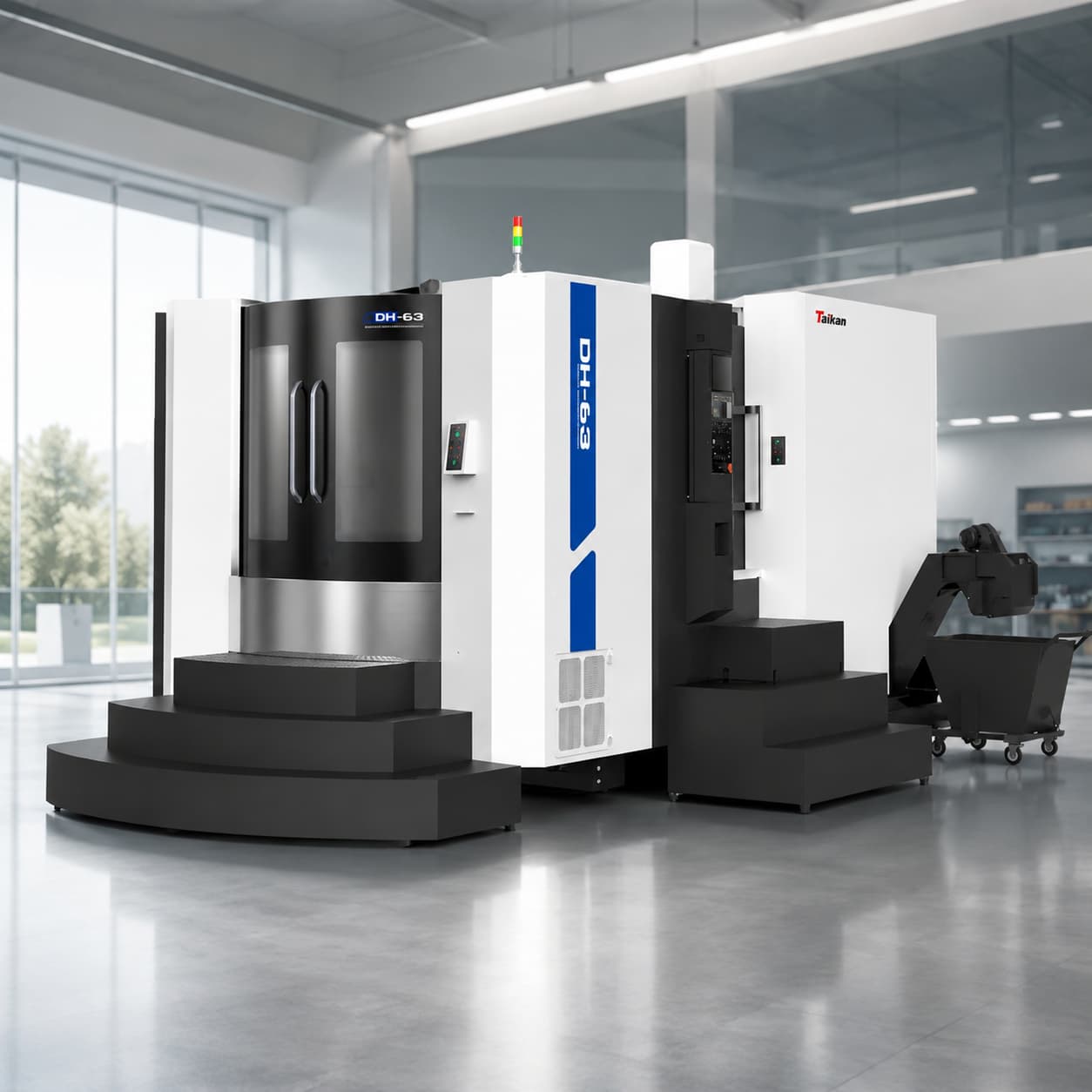
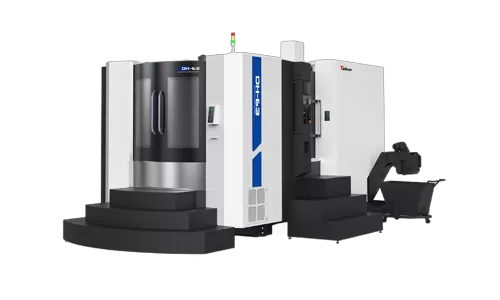
| HDH-63 Horizontal Machining Center | 630 × 630 mm | 1,050 / 800 / 1,000 mm | BT50, 10,000 rpm | 60 | Medium box parts, higher tool demand, heavier cutting and palletized production. |
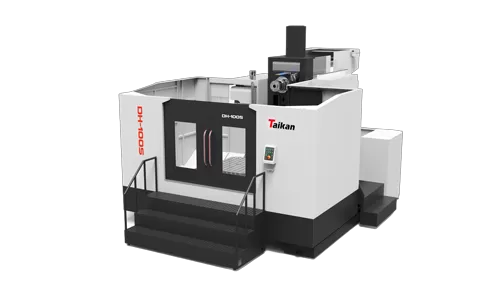
| HDH-100S Horizontal Machining Center | 1,000 × 1,250 mm | 2,000 / 1,300 / 1,200 mm | BT50, 10,000 rpm | 40 | Large housings and heavy components requiring long travel and a large rotary envelope. |
Before ordering, confirm the largest and smallest parts, annual volume, target cycle time, material range, fixture concept, tool list, accuracy requirements and future automation. Request a machining proposal or test cut using a representative part when possible. The broader Taikan horizontal machining center range includes compact, double-pallet and large single-table configurations. Matching the machine to the process first helps avoid paying for unused capacity or discovering limitations after installation.
FAQ
What pallet size should I choose for a horizontal machining center?
Choose a pallet that supports the part, fixture and clamping system while leaving clearance for full B-axis rotation and tool access. Check total load and swing diameter, not pallet dimensions alone.
Is a 10,000 rpm spindle enough for an HMC?
It can be sufficient for many cast iron, steel and general machining applications. The answer depends on cutter diameter, material, torque curve and cycle-time target. High-speed aluminum work may justify a faster spindle.
How much axis travel does an HMC need?
Travel should cover the complete fixture-mounted part at every machining angle. Include offsets caused by tombstones, long tools and features away from the pallet center.
Why does HMC machine price vary so much?
Price changes with machine size, spindle, rotary table, pallet automation, CNC system, tool magazine, probing, coolant, chip handling and service scope. Compare suppliers using an identical option list.
When is a two-pallet HMC worth buying?
A two-pallet system is valuable when loading and inspection time would otherwise keep the spindle idle. It is especially useful for repeated batches and longer machining cycles.
What should I ask an HMC manufacturer before ordering?
Provide drawings, materials, tolerances, production targets and fixture information. Ask for the proposed process, cycle-time assumptions, acceptance standard, included accessories, installation scope, training, warranty and spare-parts support.

 Español
  português
  русский
  العربية
  Türkçe
  français
  Deutsch
  italiano
  ไทย
ไทย  tiếng việt
  Polska
  Malay
Malay  हिंदी
हिंदी  Indonesia
  ಕನ್ನಡ
ಕನ್ನಡ 

 Vertical Machining Center Drilling and Milling Machining Center Profile Machining Center Horizontal Machining Center 5-Axis Machining Center Gantry Machining Center CNC Lathe CNC Swiss-Type Automatic LatheS series Standard Edition with 3-Axis Linear Guide Rails H Series Advanced Edition with 3-Axis Linear Guide Rails M Series Excellent Rigidity T-V Series Light Cutting W Series Hub Machining L Series Two Rails and One Hard Rail T Series 3-Axis Hard Rail HDT Series High Precision Vertical Machining CenterB Series Drilling & Milling Machining Center S Series Drilling & Milling Machining Center SE Series Drilling & Milling Machining CenterT Series Moving Column Type & BT30 (Tilt-Disc Tool Magazine) V Series Moving Column Type & BT40 (Tilt-Disc Tool Magazine)HT-H11 Horizontal Machining Center HHQ5 High Rigidity Horizontal Machining Center HDH-63 Horizontal Machining Center HDH-100S Horizontal Machining CenterT-U Series 5-Axis Tapping Machining Center V-U Series Vertical 5-Axis Machining Center FH Series 5-Axis Milling and Turning Machining Center CX700-2000 Seven-axis Five-simultaneous Milling And Turning Machining CenterG-V Series 3-Axis Linear Guides G-VU Series 5-Axis Gantry Machining Center G-BU Series Bridge 5-Axis Gantry Machining Center